
No products in the cart.

Mozart’s Vienna: Mozarthaus, the Myths and a Half-Day Route
The one Mozart apartment that survives in Vienna, what he actually wrote there, which of the famous stories hold up, and a walkable half-day route.
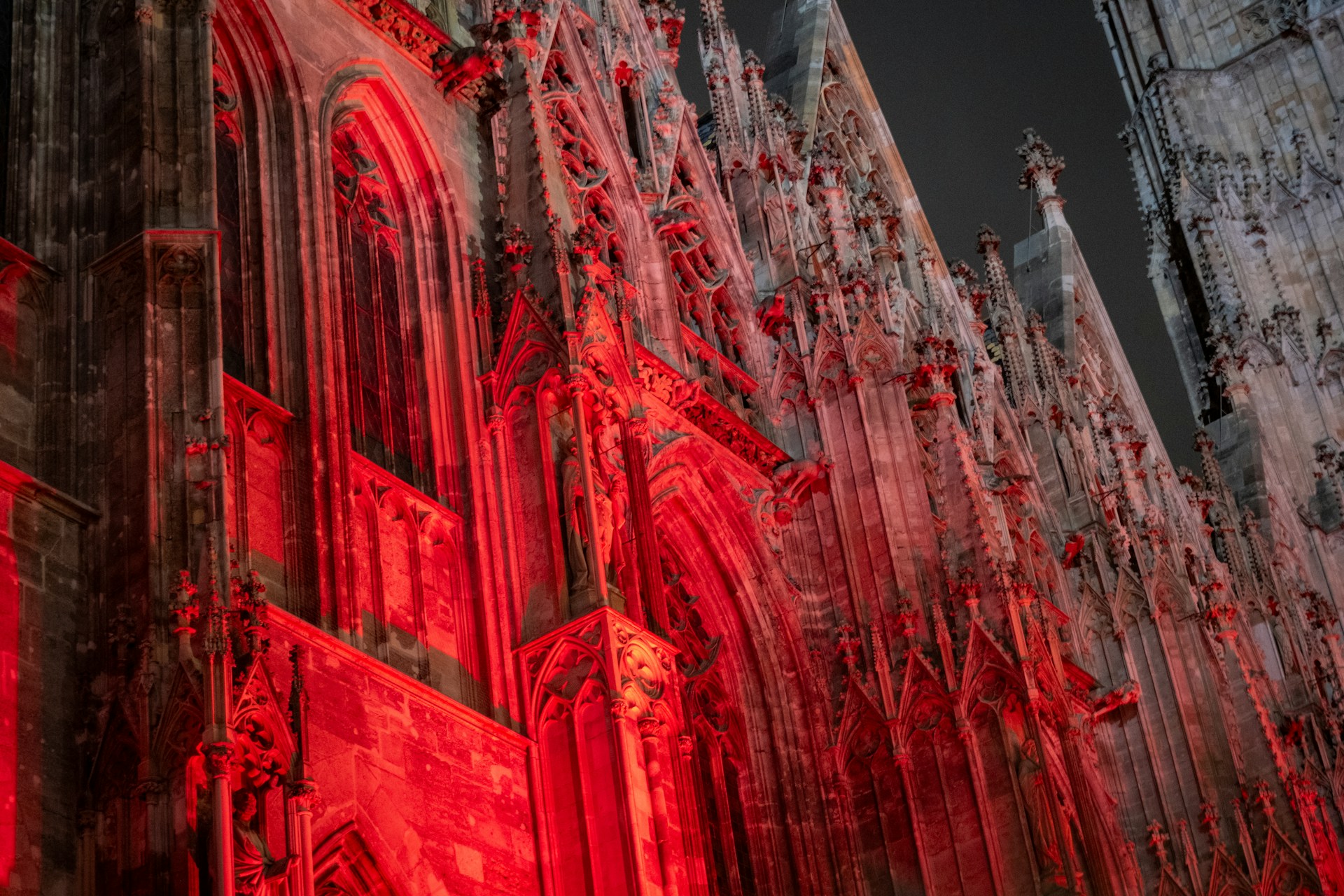
The one apartment that survives, what he actually wrote there, and which of the famous stories hold up.
Mozart was born in Salzburg and spent the last decade of his life getting away from it. He arrived in Vienna in 1781, at twenty-five, in the entourage of his employer, the Archbishop of Salzburg. The relationship collapsed there in a spectacular quarrel that ended, by Mozart’s own account, with a court official kicking him out of the door. He stayed in Vienna until his death in 1791.
Those ten Vienna years produced most of the music visitors now associate with him: The Marriage of Figaro, Don Giovanni, Così fan tutte, The Magic Flute, the last symphonies, the great piano concertos, the unfinished Requiem. Salzburg has the birthplace and the gift shops. Vienna has the work.
What Vienna doesn’t have is much of the domestic world he lived in. Mozart moved constantly, using at least a dozen addresses in ten years, and most of those apartments disappeared or were rebuilt beyond recognition. Only one survives: Domgasse 5, a couple of minutes from St. Stephen’s Cathedral, in the dense first district that our self-guided audio tour of Vienna’s historic centre covers on foot. This article is about what to do with that one address, and what to make of the stories around it.
Quick Answer
| The one address | Mozarthaus Vienna, Domgasse 5 — his only surviving Vienna apartment |
| Tickets | €16 for adults, audio guide included; €4.50 for visitors under 19 |
| Hours | Daily 10:00–19:00, last admission 18:30 |
| Time needed | About 90 minutes for three floors |
| What he wrote there | The Marriage of Figaro, three of the Haydn quartets, two major piano concertos |
| Also worth it | The Mozart monument in the Burggarten, St. Stephen’s, St. Marx cemetery |
| The Salieri story | No reliable evidence supports poisoning or a confession by Salieri |
| Half-day route | Domgasse, the cathedral, Michaelerplatz, the Burggarten — all walkable |
Why Vienna and Not Salzburg
Salzburg offered Mozart a court position he had come to resent. Vienna offered something larger: aristocratic patrons, theatres, publishers, wealthy pupils and the imperial court.
For the first years it worked. He gave subscription concerts to packed rooms, taught expensive lessons, married Constanze Weber in St. Stephen’s Cathedral in 1782 against his father’s wishes, and by 1784 was earning well enough to take a large apartment near the cathedral.
Then the market changed. His public concert career had largely faded by 1786, before the Austro-Turkish War began; the wartime downturn later made Vienna’s patronage economy worse. The causes of his financial decline are still debated, but the surviving letters to his fellow Freemason Michael Puchberg document repeated dependence on loans. He was thirty-five when he died. He was not, as the myth insists, forgotten: The Magic Flute was a major success, and he attended almost every performance until he became seriously ill in mid-November 1791.
Mozarthaus Vienna: The Only One Left
Domgasse 5, about two minutes from the cathedral. Mozart lived here from 1784 to 1787 with Constanze and their household, in the most expensive apartment he ever rented, during one of the most productive periods of his career.
- What he wrote in this building: The Marriage of Figaro, three of the six string quartets dedicated to Haydn, and the piano concertos in D minor and C minor, K. 466 and K. 491. It is a frankly absurd amount of first-rate music to come out of three years in one flat.
- What you actually see. Three floors, and the apartment is only one of them. The upper floors cover his Vienna years — his social circle, his finances, his Freemasonry, the city’s musical economy — and his major works and collaborators, particularly Haydn and the librettist Lorenzo Da Ponte. The apartment itself is the highlight for most visitors and also the sparsest part: the rooms are original, the furnishings are not.
- Practical. €16 for adults with the audio guide included, €4.50 for visitors under 19, reduced rates for students, seniors and Vienna City Card holders. Open daily 10:00 to 19:00, last admission 18:30. Allow about ninety minutes. There is a combined ticket with Haus der Musik if you’re doing both. If you’d rather have the date locked in, Mozarthaus tickets with the audio guide are also sold through GetYourGuide with free cancellation.
- Booking. Individual visitors don’t need to reserve ahead, and tickets stay valid for a year until first use. Photography isn’t permitted in the exhibition rooms.
- Set expectations. This is a well-made museum about a life, not a preserved interior with Mozart’s furniture in it. Visitors who arrive expecting the latter are the ones who leave disappointed.
The Salieri Story Is Fiction
No reliable evidence supports the claim that Antonio Salieri poisoned Mozart or confessed to doing so. The murderous jealousy depicted in Amadeus is a literary construction, not a documented account of their relationship.
Salieri was the more securely established of the two at the Viennese court, and professional rivalry between them was real. So was cooperation: they wrote a cantata together, and Salieri later taught Mozart’s son.
Rumours of poisoning appeared soon after Mozart’s death, without naming anyone in particular. Salieri became the named villain only decades later, through reports of an alleged confession during his final illness — a claim never supported by direct testimony, and one he denied when lucid. Pushkin turned the accusation into Mozart and Salieri, Rimsky-Korsakov adapted it as an opera, and Peter Shaffer eventually built Amadeus around the same premise. Miloš Forman’s film did the rest.
Mozart’s final illness remains uncertain — the recorded symptoms have supported a long list of incompatible diagnoses — but the surviving evidence does not support poisoning.
Mozart Wasn’t Dumped in a Pauper’s Grave
The familiar story has Mozart penniless and unmourned, tipped into a mass grave in bad weather.
He received a third-class funeral and was buried in an unmarked shaft grave, normally shared with four or five other bodies. Under the burial system introduced during Joseph II’s reforms, which sought to simplify funerals and limit their expense, this was ordinary practice for many Viennese of comparable status, not a pauper’s burial. Because the grave had no permanent marker and the shaft-grave area was later reused, the exact plot was lost. The reason the spot is unknown is administrative, not moral.
St. Marx Cemetery is still there, in the third district, and it is one of the quieter places in Vienna. The monument marking the approximate location is a later addition. Whether it’s worth the trip depends entirely on how you feel about standing near an approximation.
A Half-Day Mozart Route
Everything here is walkable except the last stop.
| Stop | What’s there | Time |
|---|---|---|
| Mozarthaus, Domgasse 5 | The apartment and the museum | 90 minutes |
| St. Stephen’s Cathedral | Where he married Constanze and where his coffin received the funeral blessing | 30 minutes |
| Palais Collalto, Am Hof | The site traditionally associated with his first public performance in Vienna, as a six-year-old in 1762 | 10 minutes |
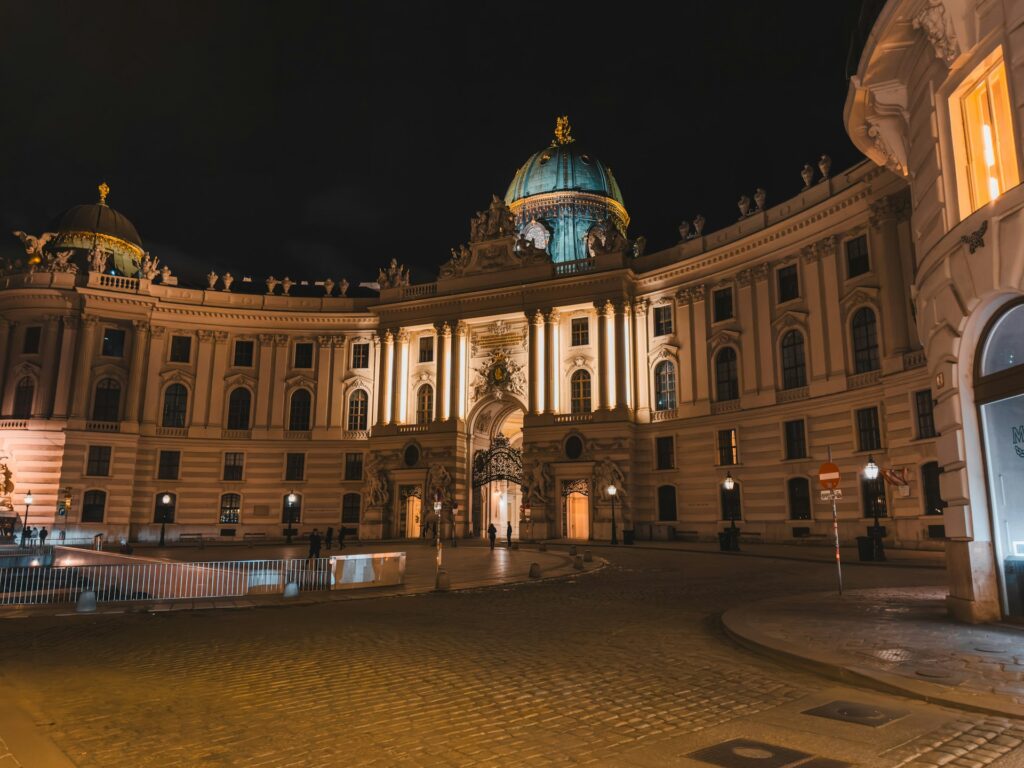
| Michaelerplatz | Site of the old Burgtheater, where Figaro and Così fan tutte premiered | 10 minutes |
| Mozart monument, Burggarten | The white marble monument beside the Hofburg, with scenes from Don Giovanni on the base | 15 minutes |
| St. Marx Cemetery | His burial site, outside the centre — tram 71 or the U3 | A separate detour |
The first five make a comfortable morning within the historic centre, and they overlap neatly with the route of our walking tour of Vienna. St. Marx is the outlier: add it only if the burial site matters enough to justify a separate trip.
Mozart Concerts: What You’re Actually Buying
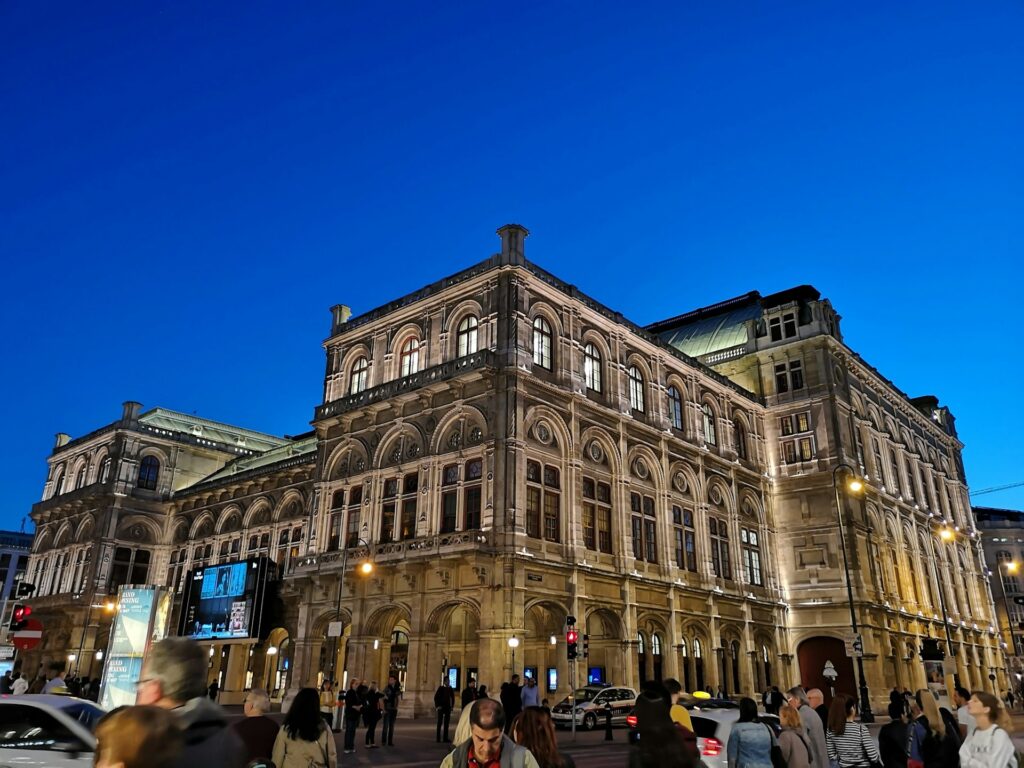
The men in wigs and knee breeches handing out flyers around the cathedral are selling tickets to concerts aimed squarely at visitors. They vary enormously, from decent ensembles in beautiful rooms to something closer to a costumed medley.
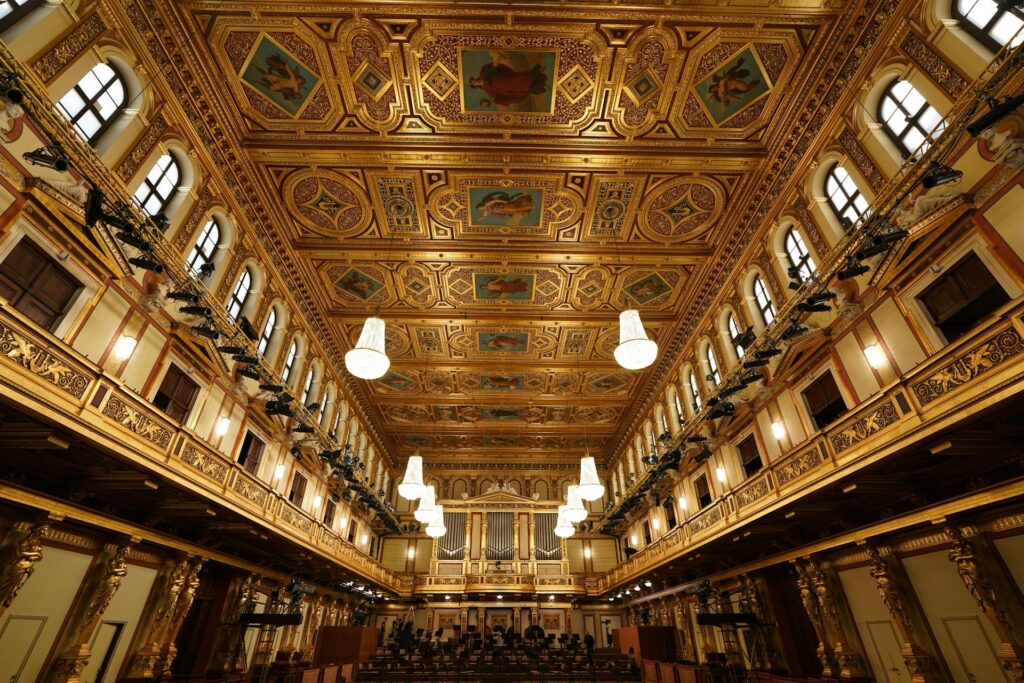
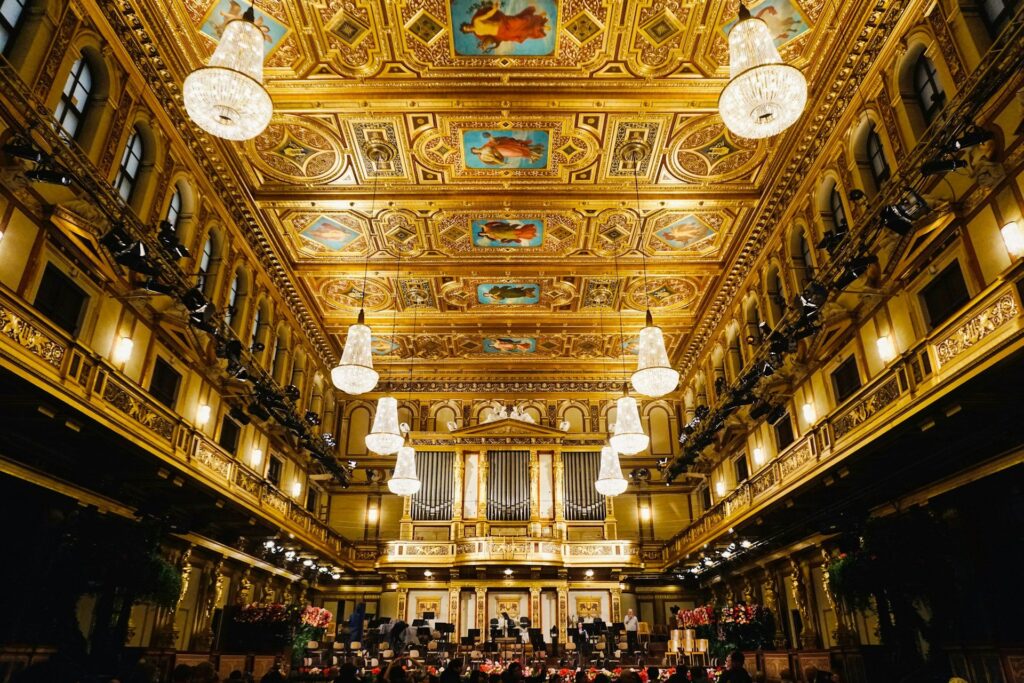
Two things worth knowing before you buy from a flyer. Historic central venues also offer chamber programmes aimed at visitors, some of them in buildings with real Mozart associations — the Mozarthaus itself hosts evening concerts. And a conventional chamber or orchestral concert, or a standing ticket at the State Opera, may be cheaper, similarly priced or more expensive depending on the programme and the seat. Compare the ensemble, the repertoire, the venue and the duration rather than the costumes. Where to hear music in Vienna, and which of these are worth it, is a subject of its own.
Common Mistakes
Mozart is the most heavily marketed name in the city, and the marketing doesn’t always point at Mozart.
- Expecting Mozart’s furniture. The apartment on Domgasse is authentic; almost nothing in it is his.
- Believing the Salieri murder story. It comes from drama, not historical evidence.
- Doing Salzburg for Mozart and skipping Vienna. Salzburg has the birthplace. Vienna has his mature career, Figaro, the late concertos and symphonies, and the unfinished Requiem.
- Buying a costumed concert from the first flyer you’re handed. Compare it with what the concert halls are charging that week.
- Treating St. Marx as the emotional climax. The site is approximate and the monument is later. Go if you want quiet; don’t build the day around it.
Frequently Asked Questions
Where did Mozart live in Vienna?
At more than a dozen addresses in ten years. Only one survives: Domgasse 5, now Mozarthaus Vienna, where he lived from 1784 to 1787.
Is Mozarthaus Vienna worth visiting?
Yes, if you want the context of his Vienna decade. It’s a museum about his life and work rather than a furnished period apartment, and the audio guide is included with admission.
Did Salieri kill Mozart?
There is no reliable evidence that he did. Rumours that Mozart had been poisoned appeared soon after his death, but Salieri became the supposed culprit decades later through unverified reports of a confession during his final illness. Pushkin turned the accusation into a play, followed by Rimsky-Korsakov’s opera, Shaffer’s Amadeus and Forman’s film. The two were professional rivals at times, and they also collaborated.
Where is Mozart buried?
He was buried in an unmarked shaft grave at St. Marx Cemetery in Vienna’s third district. The exact plot is unknown, and the monument there marks an approximate location.
Was Mozart poor when he died?
He was in debt and his income had dropped sharply, but he was not destitute, and his burial followed ordinary practice for his class rather than signalling poverty.
How long do you need at Mozarthaus?
About ninety minutes for all three floors.
GetYourGuide · Mozarthaus Vienna
Mozarthaus tickets and evening concerts in the building
Skip-the-queue entry with the audio guide, or a combined ticket with a chamber concert in the house where Figaro was written. Free cancellation up to 24 hours before.
See Mozarthaus tickets →If you want a concert rather than a museum, compare the Mozart concerts listed for Vienna by venue and programme before you buy from a flyer, and browse everything else on offer in Vienna if you’re planning the rest of the trip.
Continue Exploring
- St. Stephen’s Cathedral: Towers, Catacombs and What to See — where Mozart married and where his funeral blessing took place.
- Walking Tour of Vienna — the historic centre on foot, Domgasse included.
- Vienna State Opera: Tickets and What to Expect — the cheapest way to hear a full Mozart opera.
- Best Museums in Vienna — including Haus der Musik, the Mozarthaus’s combined-ticket partner.
- Salzburg City Tour audio guide — for the birthplace side of the story.
Disclosure: this article contains affiliate links to TouringBee audio guides and GetYourGuide. If you book through them we may earn a small commission at no extra cost to you. Prices and opening hours were checked at the time of writing and may change.