
No products in the cart.

Best Time to Visit Vienna: Seasons, Prices and What Each Month Changes
When to go to Vienna: the two best windows, why January and February are underrated, what July and August really offer, and how prices and the tourist tax move through the year.
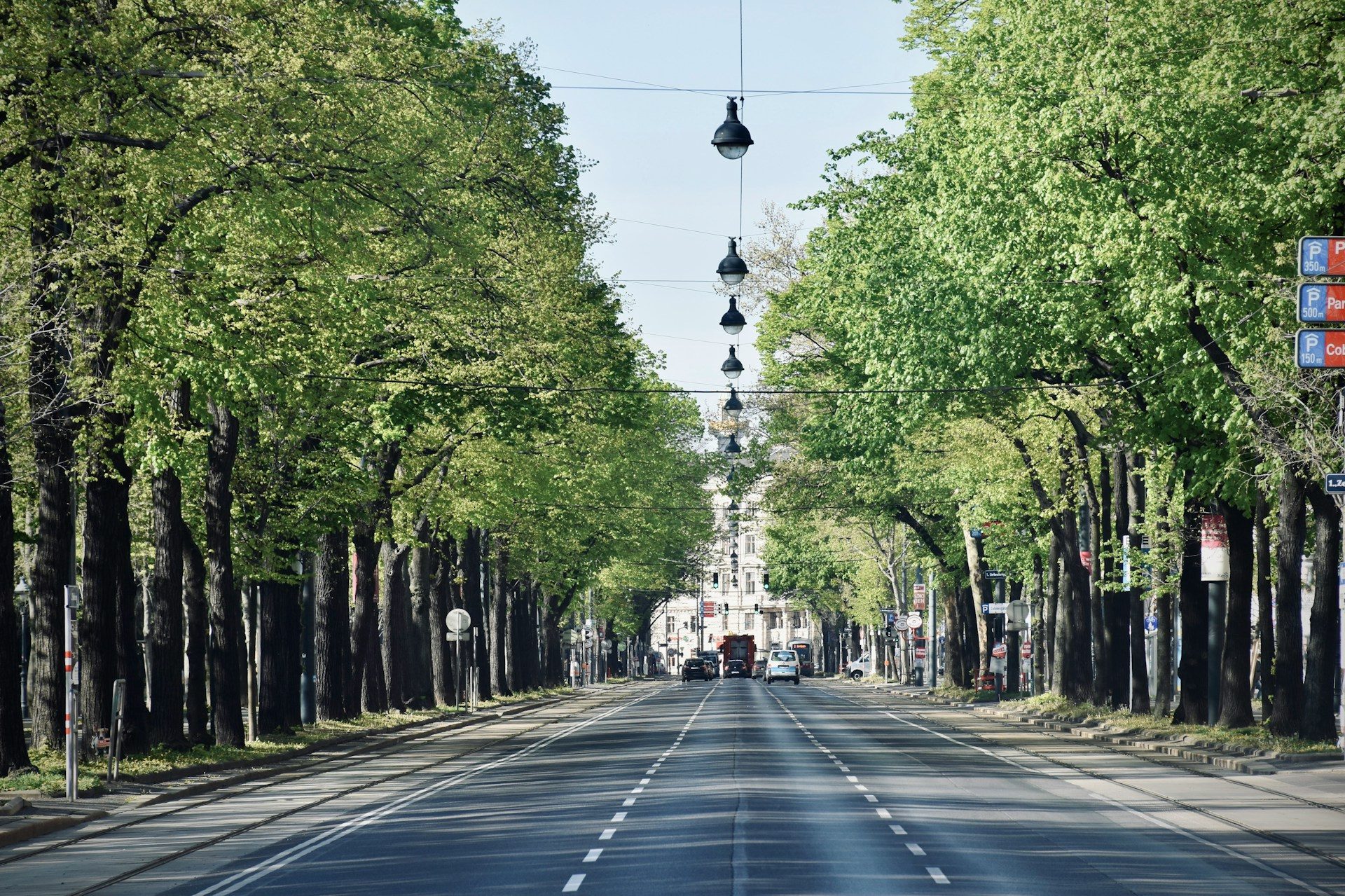
What each season actually gets you, why the cheapest months aren’t the dead ones, and the two windows that suit almost everyone.
Vienna doesn’t have a bad season, which is unhelpful if you’re trying to pick dates. It has an indoor cultural season that runs roughly from September to June, an outdoor season centred on the warmer months, and a Christmas-market period that functions almost like a third season of its own. The city works in all of them; what changes is which version you get.
The broad recommendation: late April to June, and September to October. That’s the best balance of comfortable weather and a full cultural season — not an empty shoulder season, because visitor demand stays high from spring through autumn.
The longer answer is that the two periods people tend to write off — high summer and deep winter — are each excellent for specific reasons, and knowing what those are is worth more than a general recommendation. The historic centre is walkable year-round, which is what our self-guided audio tour of Vienna’s historic centre is built around; the rest of this article is about what surrounds that walk in each season.
Quick Answer
| Best all-round | Late April to June; September to October |
| Usually cheapest | January and February, outside the New Year period |
| Busiest | December |
| Quietest | January and February |
| Warmest | July and August, mid-to-high twenties Celsius with hotter spells |
| Coldest | January, hovering around freezing |
| For classical music | September to June — the main repertory seasons pause in July and August |
| For gardens and terraces | Spring through autumn |
| For Christmas markets | November through December; a few continue to January 6 |
Spring: The Default Recommendation
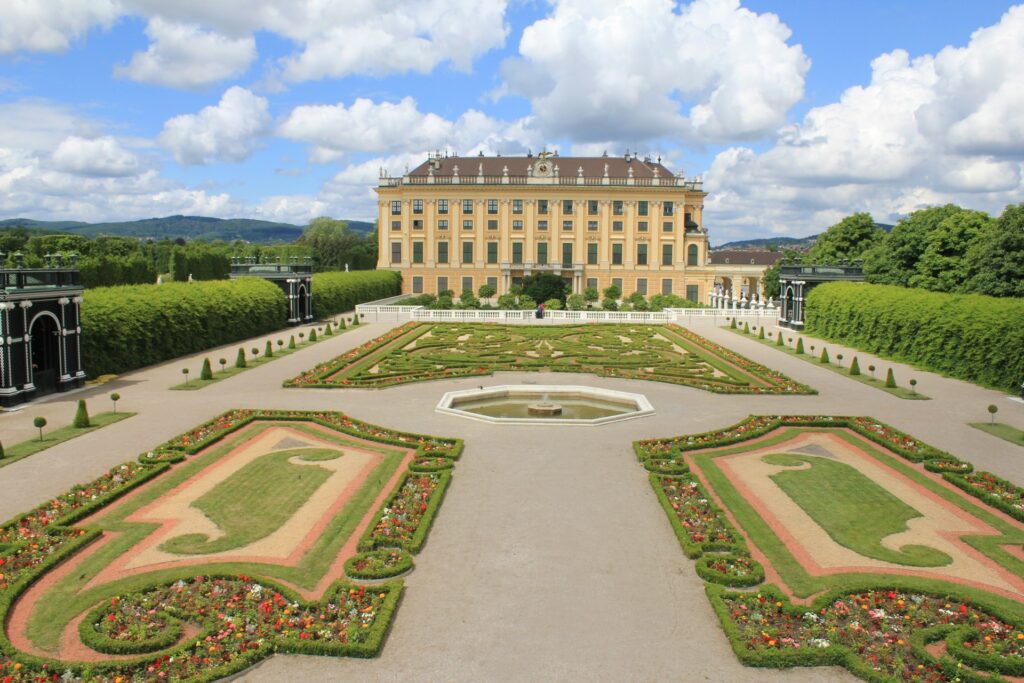
From spring the city turns outward. The Schanigärten — the pavement terraces that cafés and restaurants set up — fill on the first warm days, and Vienna eats and drinks outdoors well into autumn. The gardens at Schönbrunn and the Belvedere are at their best, the chestnuts in the Prater flower, and the museums still have their full winter programmes running.
May is the strongest single month: warm without being hot, long days, and the festival calendar starting. It’s also priced accordingly.
The trade-off: spring is not a secret. April to June is busy, and priced like it.
Summer: A Different Programme, Not a Quieter City
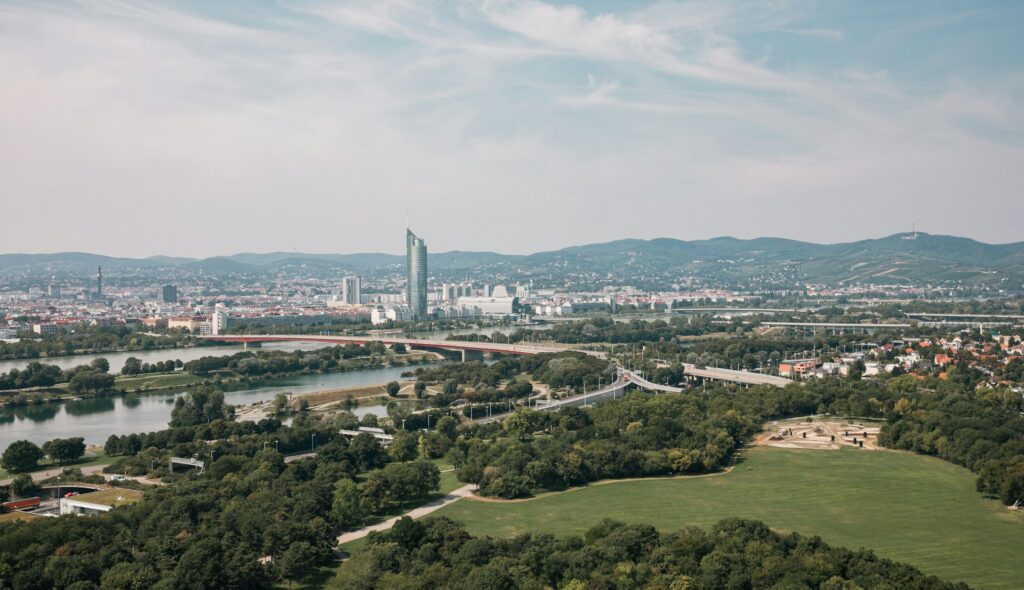
Vienna in July and August is not empty — hotel occupancy stays high and the palaces are busy. What changes is the kind of culture on offer.
The Staatsoper’s own opera and ballet repertory doesn’t run in July and August, and the main subscription seasons at the big concert halls pause too. The buildings aren’t shut: there are guided tours, guest orchestras, and summer concerts. But the programme you’d find in October or February isn’t there.
What fills the gap is free and outdoors. The Film Festival on Rathausplatz puts a giant screen in front of the City Hall from early July to early September — in 2026, July 4 to September 6 — showing opera, ballet, and concert recordings for free, with a large food court around it. Kultursommer Wien spreads free performances across the districts through midsummer. The Donauinselfest is a huge free open-air music festival spread across the Danube Island, running for three days in early July.
The Old Danube and the Danube Island become the city’s swimming and drinking scene, and the Danube Canal fills with pop-up bars.
The trade-off: if you’re coming specifically for the State Opera’s own opera and ballet productions, July and August are the wrong months.
Autumn: The Cultural Reopening
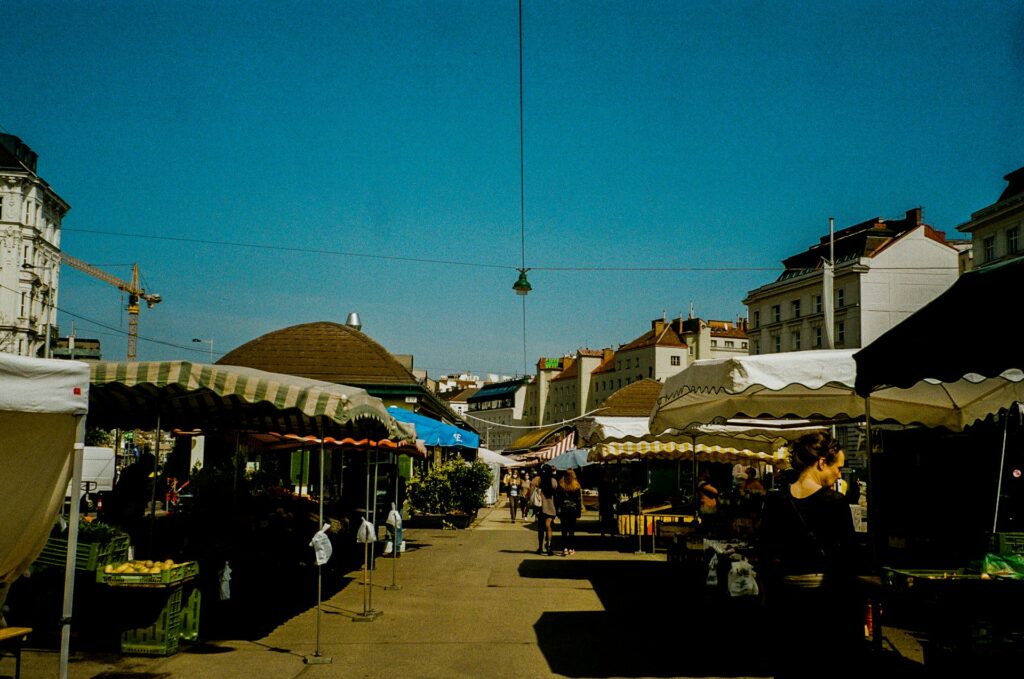
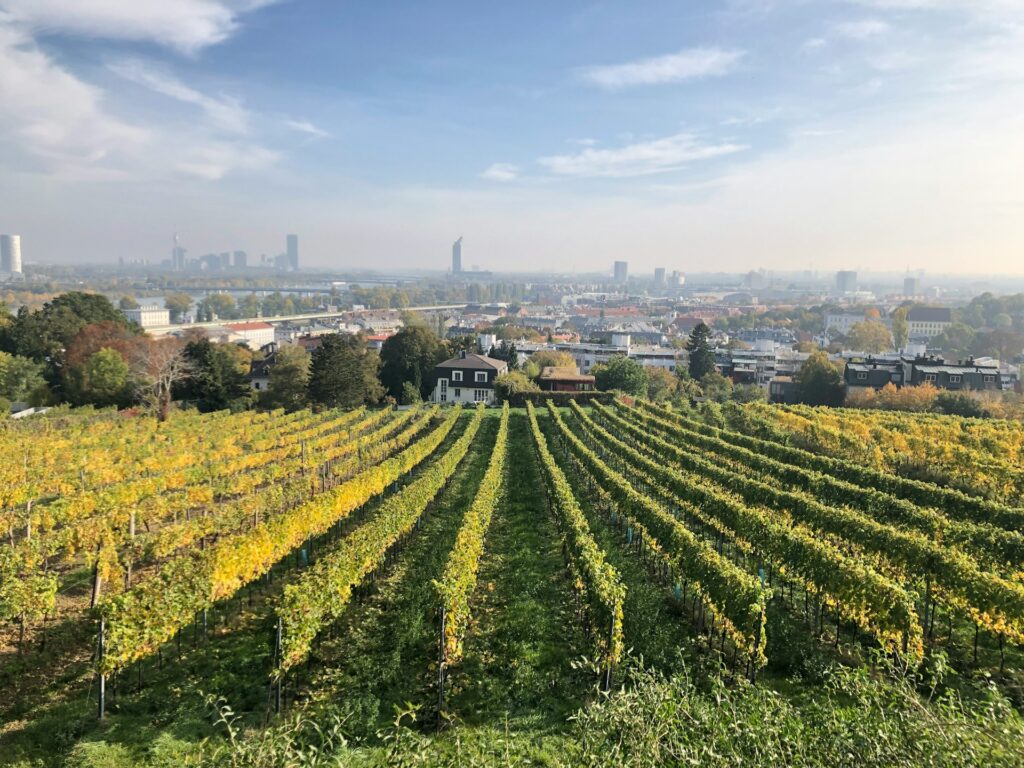
September and October are the other strong window, and for a different reason than spring. The opera and concert seasons reopen, the Viennale film festival runs in October, the Long Night of Museums opens dozens of institutions for a single evening ticket, and the wine season peaks — this is when Sturm, the half-fermented young wine, appears in the Heurigen, Vienna’s wine taverns, and the Vienna Wine Hiking Day opens marked routes through the city’s vineyards over a weekend in late September.
September usually holds in the low twenties and October in the mid-teens, the light is good, and the summer heat has eased while the Christmas season hasn’t begun.
Early November is the one genuinely subdued stretch: dark, cool, and short on outdoor events, with the Viennale finishing in the first days of the month. It doesn’t last long — the first Christmas markets open in the first week of November, and the concert and opera seasons are running at full strength throughout.
Winter: Two Different Cities
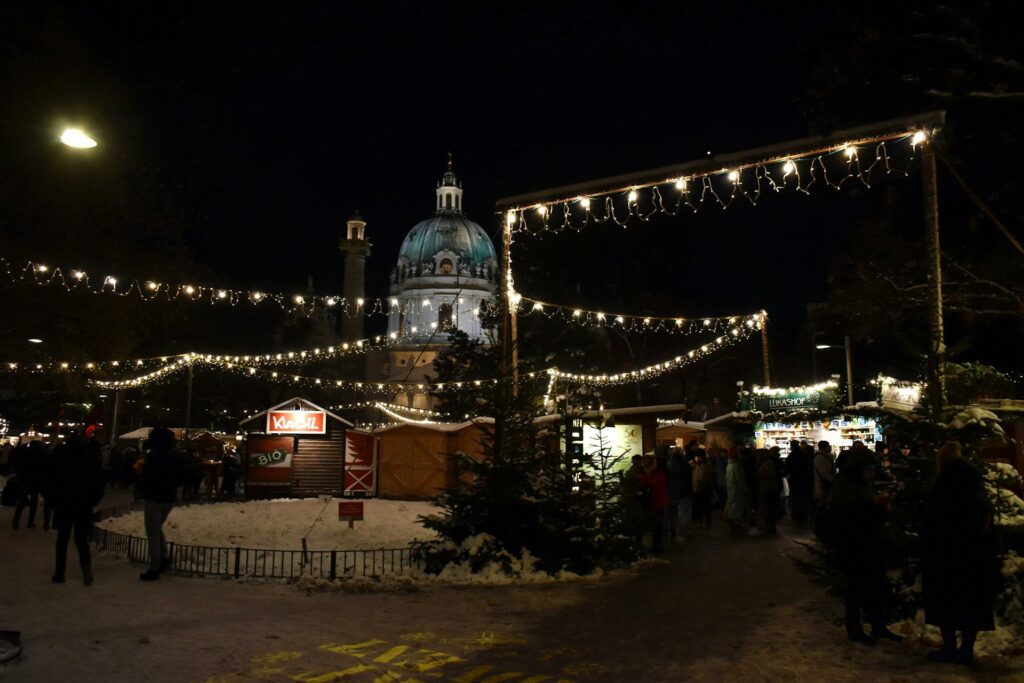
December is the Christmas market season, and it’s Vienna at its most crowded and typically one of its most expensive periods. The markets spread across the city’s biggest squares from mid-November, and the central ones stay dense into the evenings.
January and February are the ones worth arguing for. They’re usually among the cheapest weeks of the year, the palaces and museums are calmer than at any other point in the year, and the city runs its most distinctive institution: ball season.
Vienna hosts hundreds of balls over a season that traditionally opens on November 11 and peaks in January and February. They aren’t tourist performances: professional associations, universities, and institutions hold their own — the coffee house owners, the confectioners, the pharmacists, the hunters, the doctors, the flower sellers.
The Opera Ball at the Vienna State Opera is the famous and expensive one, with a strictly enforced dress code. Many smaller balls also sell tickets to the public, at very different prices and levels of formality.
The New Year’s Concert by the Vienna Philharmonic on January 1 is broadcast worldwide, and tickets are allocated by public ballot roughly ten months ahead — applications for the following January close at the end of February. If you want to go, that’s the deadline, not the box office. The Silvesterpfad on December 31 offers the opposite kind of New Year’s experience, filling the historic centre with an open-air celebration.
Month by Month: What Changes
| January | Ball season; the New Year’s Concert; quieter museums and palaces after the holiday period |
| February | Ball season peaks; Fasching continues |
| March | A transition month: the cultural season still running, café terraces reappearing on warmer days |
| April | Palace gardens come back into their own; the Vienna City Marathon brings a major event weekend |
| May | Parks and terraces in full swing, and the festival calendar starts to build |
| June | Long days and the beginning of the major free open-air festival season |
| July | The Rathausplatz Film Festival and Donauinselfest; the State Opera’s regular repertory season is paused |
| August | A thinner classical calendar, outdoor swimming, and the continuing summer festival programme |
| September | Opera and concert seasons reopen; wine harvest, Sturm, and the Vienna Wine Hiking Day |
| October | The Viennale, autumn colour, and the Long Night of Museums |
| November | The indoor cultural season is fully active; Christmas markets begin during the month |
| December | Christmas markets dominate the city, followed by the Silvesterpfad on New Year’s Eve |
What It Costs, and When
Accommodation is the variable that moves most. December is typically one of the most expensive periods, and January and February are usually the best bet for lower rates — though a big conference can overturn that in any given week.
One recent change worth knowing. Vienna’s accommodation tax, the Ortstaxe, rose from 3.2 to 5 percent on July 1, 2026, and is scheduled to rise again to 8 percent on July 1, 2027. It’s charged as a percentage of the accommodation price after VAT and breakfast are stripped out, and since July 2026 a property may either fold it into the displayed price or list it separately — so check the price breakdown when you book rather than assuming either.
Short-stay transport tickets are a separate calculation; the transport guide covers those, and the budget guide covers what in Vienna costs nothing at all.
Booking.com
The date matters more than the hotel
The same Vienna room can cost twice as much in December as in late January. If your dates are flexible, compare both ends of your window before committing — and check whether the Ortstaxe is folded into the displayed price or added at checkout.
Search Vienna hotels →Picking by What You Came For
| Opera and classical concerts | September to June |
| Palace gardens and parks | May to September |
| Christmas markets | November through Christmas; a few continue into January |
| Balls | January and February |
| Museums with lighter crowds | January and February |
| Wine taverns and Sturm | Late summer into autumn |
| Swimming and outdoor life | June to August |
| Usually the lowest prices | January and February |
Common Mistakes
Choosing a month here means choosing what to trade: weather, prices, daylight, or elbow room. The mistakes come from not knowing which one you gave up.
- Booking August for the State Opera’s own productions. Its opera and ballet repertory doesn’t run in July and August. The free open-air screenings are excellent, but they’re recordings on a screen.
- Writing off January and February. They’re usually the cheapest months, the palaces and museums are at their quietest, and ball season is one of Vienna’s most distinctive winter experiences.
- Underestimating December crowds. The markets are wonderful and the city is full. Book accommodation early and expect the central squares to be dense in the evenings.
- Assuming shoulder season means empty. May and September are excellent and busy. Vienna’s genuinely quiet months are January and February.
- Expecting long evenings outdoors in November. It’s one of the darkest months, and the outdoor season is over — though the indoor cultural calendar is at full strength.
Continue Exploring
- Is Vienna Worth Visiting? — the honest case for and against, whatever the season.
- Where to Stay in Vienna — districts compared, once you’ve picked your dates.
- One Day in Vienna — the itinerary that works in any month.
Frequently Asked Questions
What is the best month to visit Vienna?
May or September, for the combination of comfortable weather and a full cultural programme. Both are busy — Vienna doesn’t really have an empty shoulder season.
What’s the cheapest time to visit Vienna?
January and February are usually the best bet, outside the New Year period, though prices move with events in any given week.
Is Vienna worth visiting in winter?
Yes, for two different reasons: Christmas markets in December, and quieter museums plus ball season in January and February.
Is Vienna too hot in summer?
July and August average in the mid-to-high twenties Celsius, with hotter spells. The city handles it — parks, swimming spots, air-conditioned museums — but sightseeing at midday in August is work.
When is the Vienna Opera Ball?
Traditionally in February, on the Thursday before Ash Wednesday, so the date moves each year. Tickets go through the State Opera.
How many days do you need in Vienna?
Three to four for the main sights at a reasonable pace, more if you’re adding day trips or a serious museum programme.
Does Vienna charge a tourist tax?
Yes. The Ortstaxe is a percentage of the accommodation price, calculated after VAT and breakfast are excluded. It rose to 5 percent in July 2026, with a further increase to 8 percent scheduled for July 2027, and may be shown inside the displayed price or listed separately.
Disclosure: this article contains affiliate links. The TouringBee audio guide is our own product, and links to Booking.com may earn us a commission if you book through them. Prices and dates are those published at the time of writing — check before you travel. The price to you is the same either way.