
No products in the cart.

One Day in Vienna: A Realistic Itinerary That Survives the Clock
A realistic twelve-hour plan for one day in Vienna — honest timings, what actually fits inside the Ring, and the list of what gets cut first when the day starts running late.
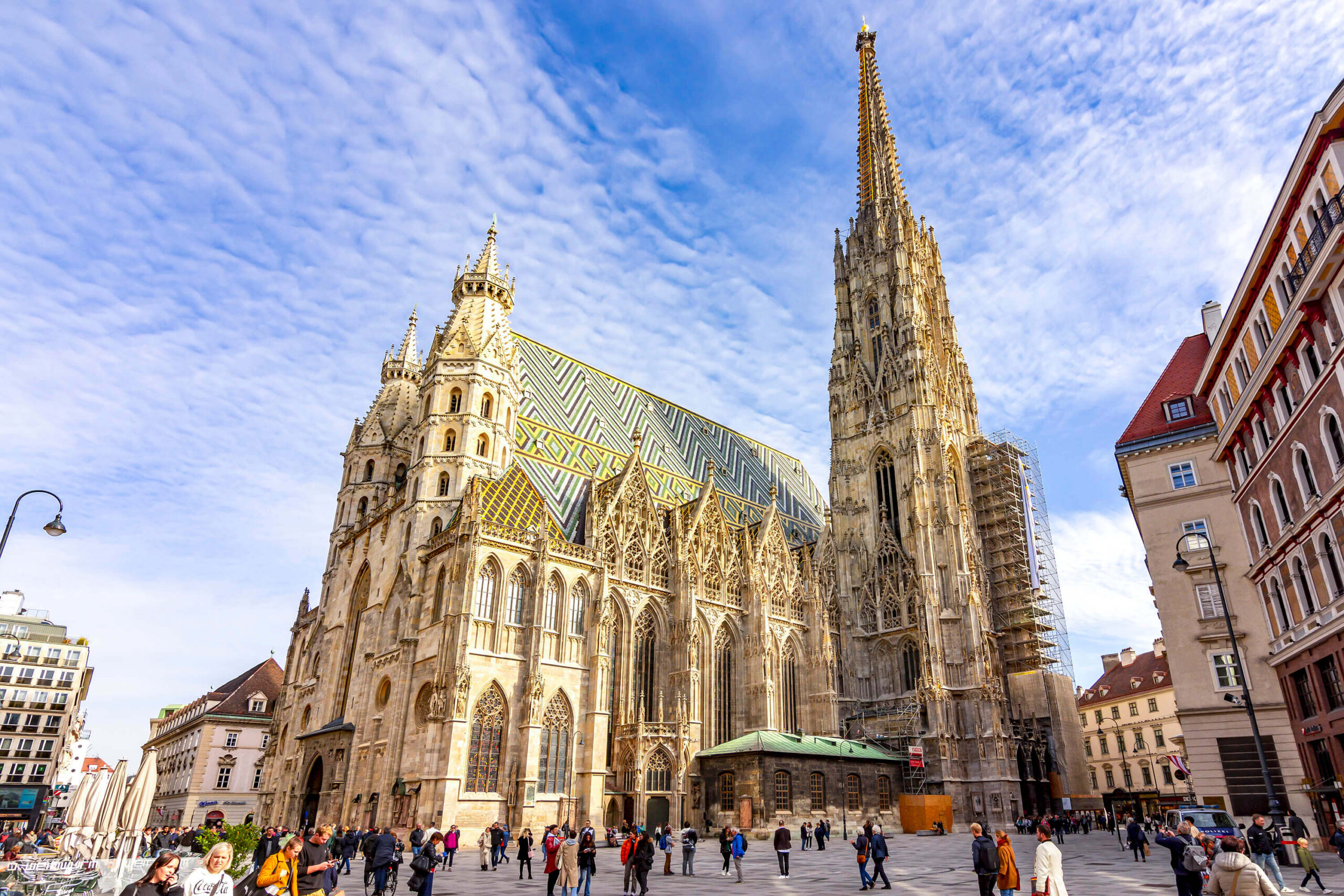
One day in Vienna works better than the sight list suggests. The city removes the most tiring decision of any short trip — where to start — by putting the cathedral at the practical centre of the old town, where most first-day routes begin whether you planned it that way or not.
After that it’s arithmetic. Inside the Ringstrasse, distances come in minutes rather than transit stops: about ten from the cathedral to the Hofburg at an unhurried pace, five more to the opera house. Walking isn’t the problem. The problem is that nearly every building has an interior, and interiors want an hour or two.
So the day gets built around decisions rather than around a route: what you go inside, and what you walk past. Below is a plan that holds up against a clock. If you’d rather the facades stayed silent along the way, the centre can also be covered with a self-guided audio tour of Vienna — 29 stops, about two and a half hours, and you pause wherever it suits you. If you’re still deciding what deserves a ticket at all, our guide to what to see in Vienna sorts the sights by what they actually cost you in time.
The Day at a Glance
| Time | Where | How long |
|---|---|---|
| 9:00 a.m. | St Stephen’s Cathedral: a tower or the catacombs | 1–1.5 hours |
| 10:30 a.m. | Graben, the plague column, St Peter’s Church | 45 minutes |
| 11:15 a.m. | Kohlmarkt and Michaelerplatz | 20 minutes |
| 11:45 a.m. | Hofburg: one museum block plus the State Hall | 2 hours |
| 2:00 p.m. | Lunch | 1 hour |
| 3:00 p.m. | Albertina or a coffee house | 1.5–2 hours |
| 6:00 p.m. | Opera, a concert, or a walk along the Ring | to close |
The apparent gap before the evening is deliberate. It absorbs queues, walking time, and the lunch or museum visit that runs longer than planned.
Why the Day Assembles Itself
Central Vienna is easier to navigate than most European downtowns. It is encircled by the Ringstrasse, much of the sightseeing core is pedestrianised or traffic-calmed, and getting turned around costs you very little — turn in almost any direction and you will soon reach either the cathedral or the boulevard.
That gives you room to break the plan. Whatever you skip will sit two blocks from wherever you end up an hour later, so going back costs almost nothing.
The one hard constraint is opening hours. Most museums close around six; a few stay open one or two evenings a week. Coffee houses run late. Which gives you the rule for the whole day: anything requiring a ticket goes before six, anything requiring only a chair goes after.
Morning: The Cathedral — A Tower or the Catacombs
Arrive around nine. Before ten, the cathedral still feels more local — apart from the visitors who didn’t sleep on the plane.
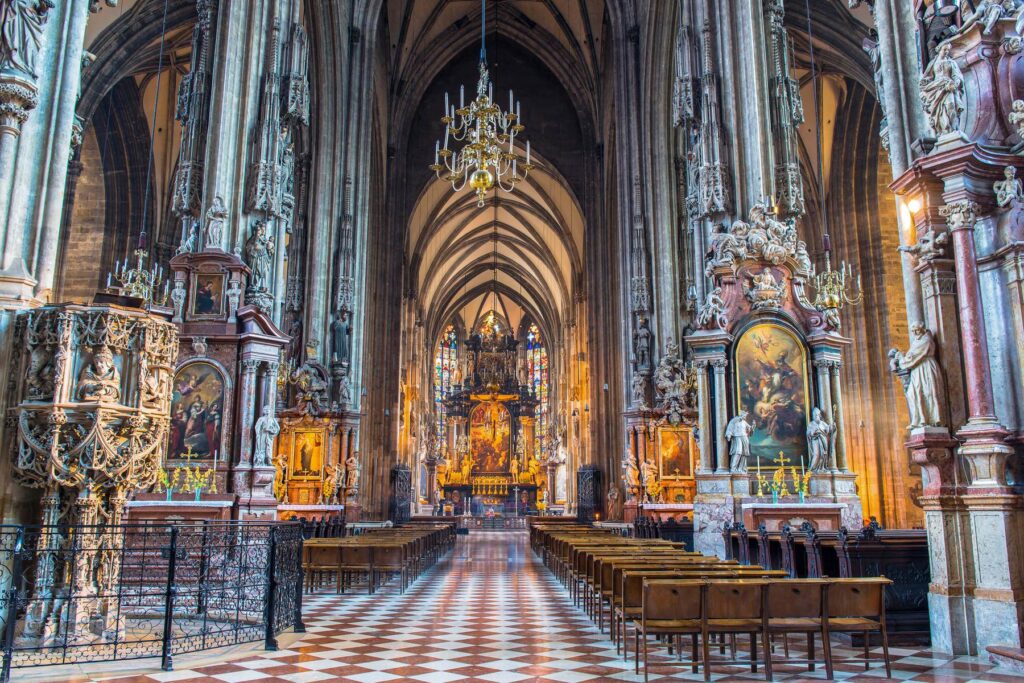
Then choose. Doing a tower and the catacombs in one visit eats two hours and change, which is a fifth of your day — the cathedral rewards a longer visit than a single day allows, and this is the first place where you’ll feel the trade.
The south tower is 343 steps with no lift. The staircase is spiral and narrow, two-way traffic is a real thing, and conversation in any group tends to die out around the halfway mark. What you get at the top is one of the broadest views over central Vienna.
The north tower is easier: there’s a lift, and it holds the Pummerin, Austria’s largest bell. The view is more modest, but your legs survive intact — and you’ll want them later.
The catacombs are the third option and the fastest: a short guided visit downstairs, connected to the plague that reshaped medieval Vienna and to the Habsburg burials.
Choose the catacombs for history, the south tower for the view, or the north tower for the easiest ascent. What the one-day schedule cannot comfortably absorb is doing more than one.
Late Morning: Graben and Michaelerplatz
Graben starts at the cathedral — a wide pedestrian street with the 1679 plague column planted in the middle of it. Walk around it rather than viewing it from one side; the sculptural group was designed to be read from every angle.
Just off it stands St Peter’s Church: small, oval, free to enter. People go in for five minutes and come out after fifteen, so build that into the maths.
From there Kohlmarkt runs towards the palace past expensive storefronts and the Demel pastry shop. If you’re planning to stop for a pastry, know that the queue here gets no shorter than a museum’s. The window display is free and available immediately.
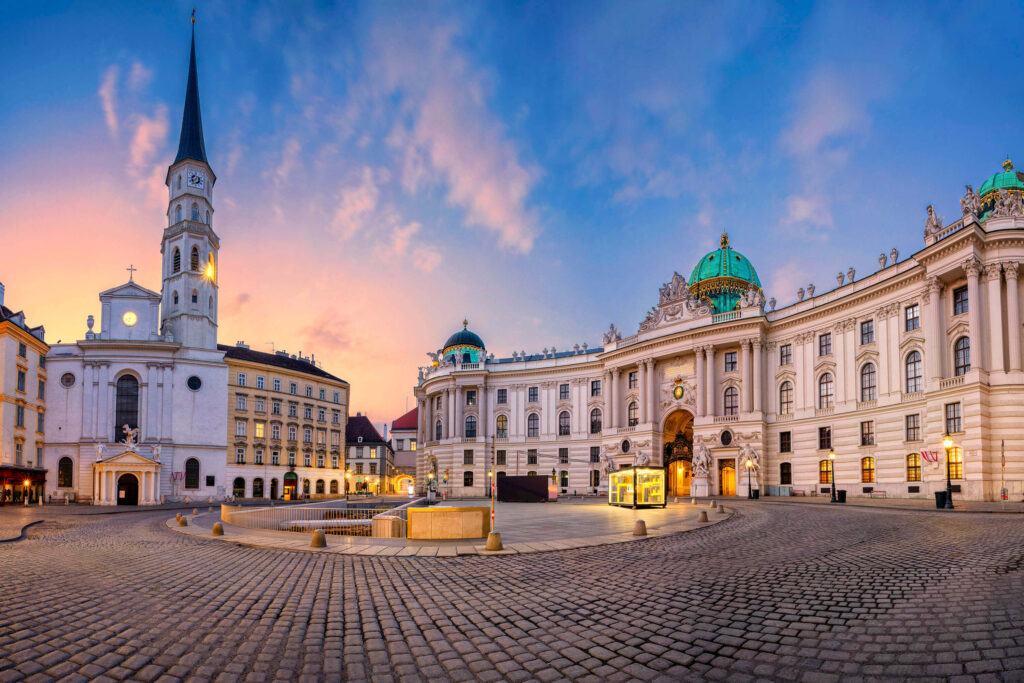
At Michaelerplatz, in front of the domed palace gate, look down: Roman remains sit open in the middle of the square. It’s a two-minute stop that most people cross at speed with their eyes up.
The Hofburg: What Fits Into Two Hours
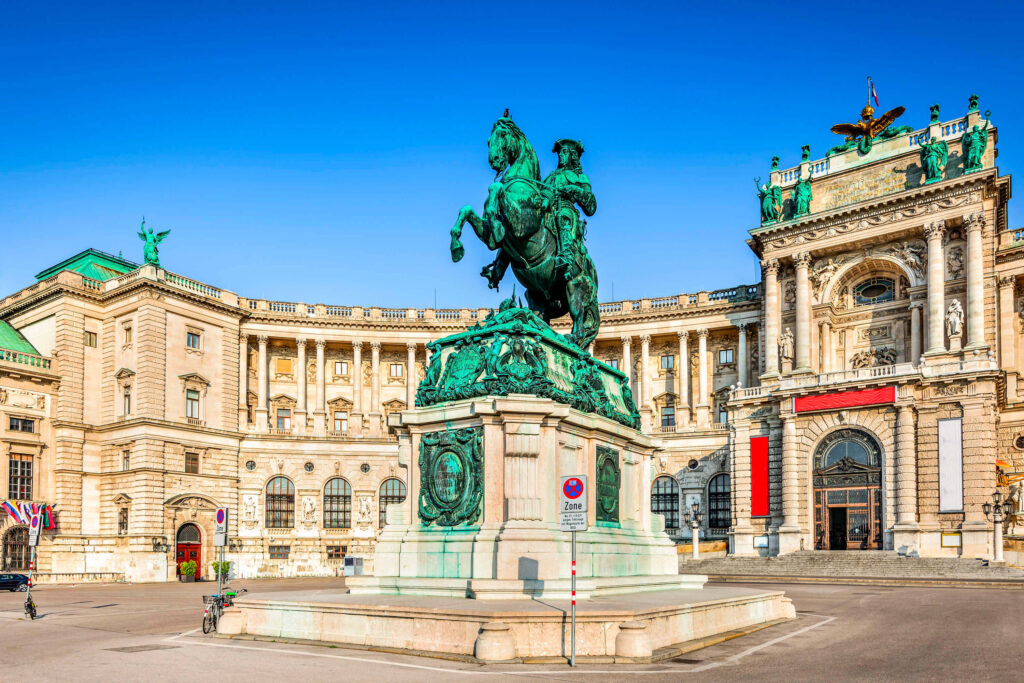
The Hofburg is a palace complex of roughly 2,600 rooms, housing several independent museums, a library, a riding school, and the office of the Austrian president. There’s no single ticket, and each part has its own entrance and box office — which is why the palace holds far more than two hours can cover.
Decide before you arrive. For a two-hour visit, pair the Imperial Apartments and Sisi Museum with the State Hall of the National Library: the apartments are Franz Joseph’s, the museum next door handles the far stranger life of his wife, and the library takes far less time than its effect suggests. Choose the Imperial Treasury instead if crowns and dynastic history interest you more — but it’s dense enough to want an hour of its own, which this day doesn’t have.
The Spanish Riding School runs on its own season and schedule, so it works better as a separately planned visit than as something slotted into the middle of a day.
Lunch: How to Eat Without Losing the Afternoon
A Viennese lunch is fully capable of lasting two hours. On a one-day schedule that’s sabotage against your own plan, so the question isn’t what’s worth ordering in Vienna generally — it’s what fits in sixty minutes.
| Format | Time | Works if |
|---|---|---|
| Sausage stand (Würstelstand) | 15 minutes | You want to be back in a museum before closing |
| Sandwich shop or self-service café | 20–30 minutes | You need to sit down without settling in |
| Schnitzel restaurant | 1.5–2 hours | Lunch counts as part of the programme for you |
If you go with a restaurant, book in the morning or the night before. At the well-known places, people without a reservation wait outside studying other tables.
For this itinerary, treat the famous coffee houses as a sight in their own right rather than as your main lunch stop. Check current hours and booking policies before you set out, since a long queue can undo the time you saved over lunch.
Evening: Three Ways to Finish
By three you’ll be in one of two states: second wind, or wanting to sit down permanently. The plan handles both.
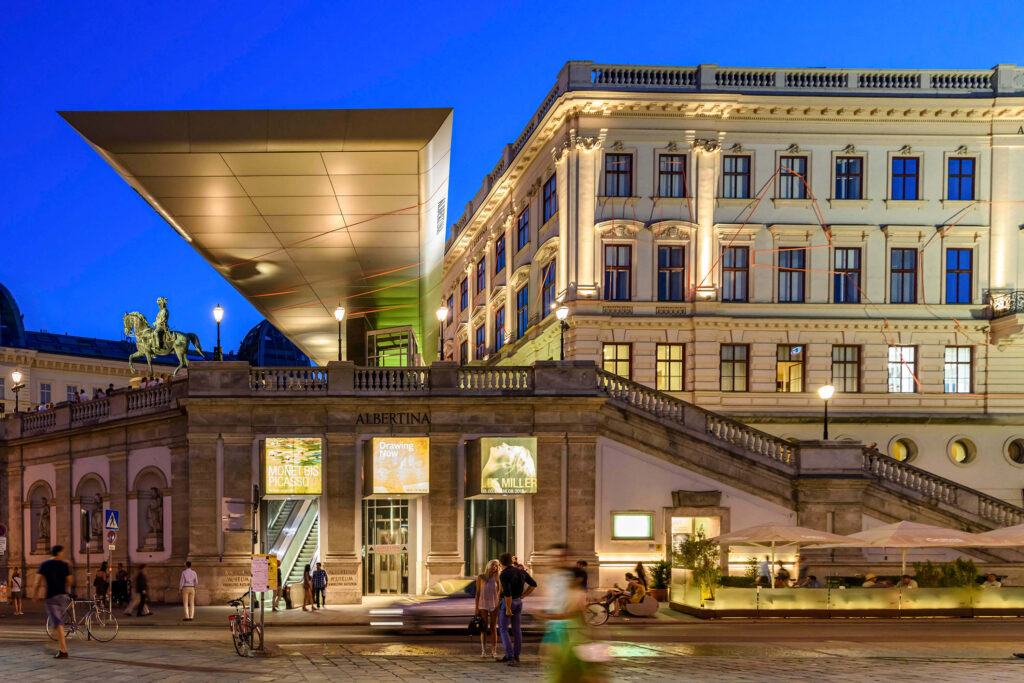
Still have energy — the Albertina. An hour and a half to two hours of prints, drawings and state rooms, plus a terrace with a view of the opera house. It isn’t the only museum in the city worth a visit, but it’s the one that fits an afternoon that’s already half spent.
Need to sit — a coffee house, which isn’t a defeat. Viennese coffee house culture sits on Austria’s national inventory of intangible cultural heritage, so technically you’re still sightseeing, just seated.
Want a memorable finish — the opera. Standing places cost €13–18 on repertory performance days, which is a remarkably cheap way into a house of that rank; the standing-room system deserves a closer look before you try it. There’s no regular season in July and August.
In winter, factor in the early darkness. In December, daylight fades shortly after 4:00 p.m. The season changes this plan more than anything else does, so move the outdoor half of the day to the morning when that applies.
Have Two or Three Days?
The plan above deliberately leaves out both major palaces, because each needs a trip of its own. If you have longer, the obvious shape is this.
Day two: Schönbrunn. It sits outside the Ring, about twenty minutes out on the U4, and it is a bigger subject than one paragraph — palace interiors on a timed ticket, a large free park, the Gloriette on the hill, and a historic zoo. Allow half a day without the zoo and a full day with it. Afterwards, the Naschmarkt or one major museum can fill the remaining time.
GetYourGuide
Schönbrunn runs on timed entry
The palace interiors are sold by time slot, and the morning slots go first in summer. If day two is Schönbrunn, book the slot before you land rather than queuing at the gate for whatever is left.
See Schönbrunn tickets →Day three: the Belvedere, then a choice. The Upper Belvedere holds Klimt’s The Kiss and a collection that repays far more than the two or three hours most itineraries give it. After that, pick between the things that never make the lists in the old centre — courtyards behind unmarked doors, a stone basilisk over a doorway — and the twentieth-century city outside the Ring, where the Hundertwasser House and the vast social housing blocks of the 1920s have nothing to do with the empire.
Finish at a Heuriger on the edge of town, where a wine grower pours his own wine in his own courtyard. Pick a specific one and check its opening dates first: smaller wine taverns open only on selected days.
What to Cut First
The plan strains for almost everyone, usually after lunch. Cut in this order.
- The second museum. Two major museums in one day tend to blur together; the second often buys fatigue rather than another memorable visit.
- The tower, if you decided to do both at the cathedral. It adds more time and effort than the one-day schedule can comfortably absorb.
- The Treasury. It deserves a fresh head rather than the leftovers.
- The sit-down lunch. Trade it for a sausage stand; no dignity is lost.
- Kohlmarkt and Demel. The window display stays, the queue goes.
What not to cut: the cathedral and the Hofburg. Without them a day in Vienna becomes a walk down handsome streets — pleasant enough, and available in forty other European cities. If the walking itself is the appeal, there’s a version of the route built around walking rather than opening hours.
Practical Tips
- Book timed tickets ahead. The morning box office is the most expensive purchase of the day, and you pay in time.
- Wear comfortable shoes. The day runs to about 10 km (6 miles), nearly all of it on cobblestone.
- Use transit only when leaving the centre. Inside the Ring you walk; the transport system is simple enough once someone explains the ticket types.
- Check Sunday and seasonal schedules. Most shops close on Sundays, and several venues have summer or winter pauses.
- Start early. Everything about this plan gets harder after ten.
Continue Exploring
- What to See in Vienna — the sights ranked by what they cost you in time.
- Self-guided city walking tours that work — why a route beats a list.
- Museum audio guides: are they worth it? — before you pay for one at the Hofburg desk.
If you’d rather book the interiors in advance than queue for them: all Vienna tickets and passes, the Kunsthistorisches Museum, and the Schönbrunn Gloriette.
Frequently Asked Questions
Can you really see Vienna in one day?
The historic centre, yes. Neither Schönbrunn nor the Belvedere fits comfortably into this central one-day route; each needs at least half a day once travel and entry times are included.
What if you arrive at midday?
Drop the tower and one museum, keep the cathedral, the Hofburg and the evening. The compressed version still holds together.
Are two days enough for Vienna?
Two cover the centre and one palace. A third is what you need to see the city beyond the imperial programme.
How far do you walk?
Around 10 km (6 miles), almost all of it on cobblestone.
Disclosure: this article contains affiliate links to TouringBee audio guides and to GetYourGuide. If you book through them, we may earn a small commission at no extra cost to you.