
No products in the cart.

Is Vienna Worth Visiting? An Honest Answer
What Vienna does especially well, who will find it dull, and the drawbacks that never make it into the roundups — plus how it compares with Prague and Budapest.
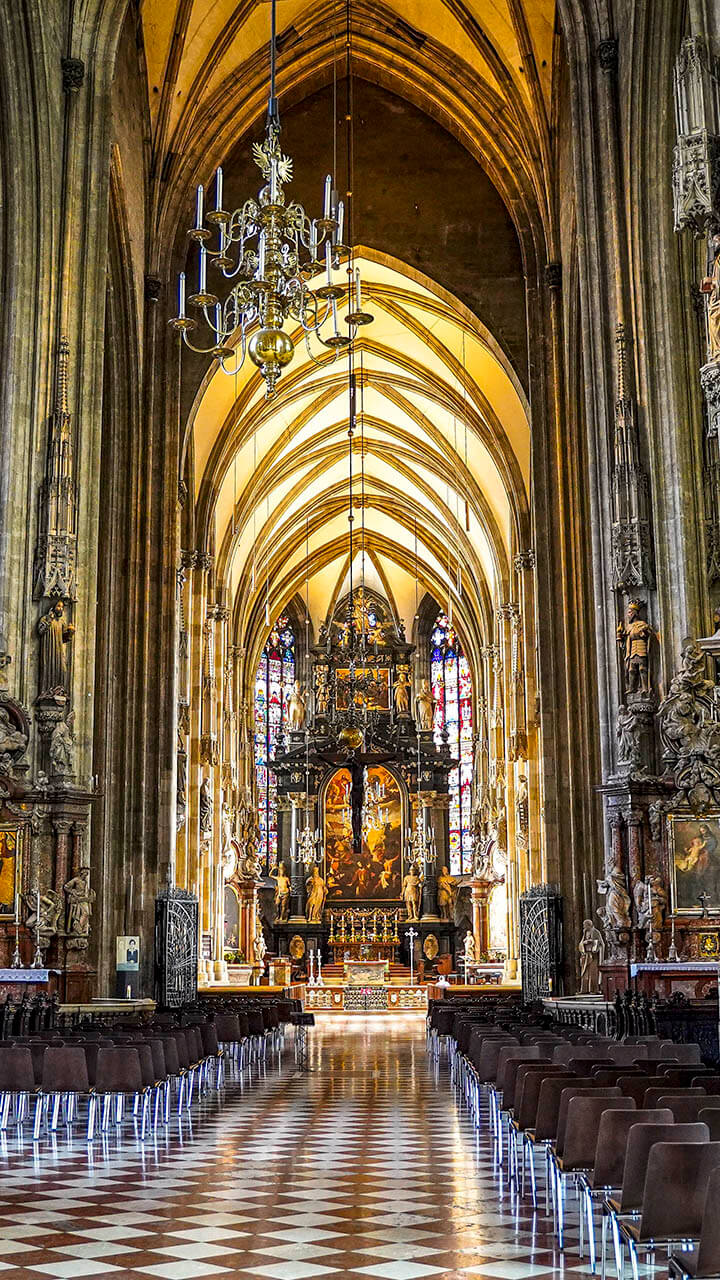
An honest look at what Vienna does especially well, who may find it dull, and the drawbacks that don’t make it into the roundups.
Vienna is not always the first European capital people choose. It often enters the conversation after Paris, Rome, or Barcelona — when the question changes from what’s most famous to what kind of trip actually sounds appealing.
Which produces the question people ask before booking: is there really enough there for three days, or is it one cathedral, one palace, and a lot of coffee?
The answer depends on what you’re going for. Vienna is unusually strong for some kinds of trips and much less convincing for others. It also has a specific weakness that shapes first impressions: the city doesn’t explain itself, and its best material sits inside buildings rather than on the facades. That gap is also why we built an audio tour of the historic centre — Vienna becomes more interesting once someone explains what the facades leave out. What follows is the honest version: what Vienna does especially well, who it suits, and where it falls short.
The Short Answer
| Going for | Does Vienna deliver? |
|---|---|
| Museums and painting | One of its strongest reasons to visit |
| Classical music and opera | Yes, especially during the main season |
| Imperial history and palaces | Yes |
| A slow pace, coffee, and conversation | Yes |
| Nightlife | Available, but not the city’s main advantage |
| A cheap trip | No; Prague and Budapest usually cost less |
| Urban nature and vineyards | Better than expected |
| Alpine scenery or a coast | Not within the city |
| Shopping | Somewhat, but not on most Sundays |
What Vienna Does Especially Well
Central Europe is full of handsome historic cities, and from the outside they can resemble one another: Baroque facades, formal squares, and cobblestone streets. Vienna differs less through its skyline than through what its buildings contain, which is also why the list of what to see here runs longer than the city first suggests.
The imperial collections. The Kunsthistorisches Museum grew from centuries of Habsburg collecting rather than from a conventional municipal collection, and few neighbouring capitals inherited imperial holdings of the same breadth in one place. Choosing between Vienna’s museums is a genuine problem rather than a formality.
Klimt in one place. The Kiss hangs in the Upper Belvedere alongside one of the most important collections of Klimt’s work. For visitors coming specifically for that painting, there’s no substitute.
Opera at an unusual price. On repertory performance days, standing places at the Vienna State Opera cost €13–18 and go on sale the day of the show. This isn’t a tourist attraction but a working house of the first rank. Note that July and August have no regular season.

Coffee houses as an institution. Viennese coffee house culture is listed on Austria’s national inventory of intangible cultural heritage. The point isn’t only the coffee. It’s the tradition of lingering over a table without being hurried through the experience, and the fact that this counts as culture rather than customer service.
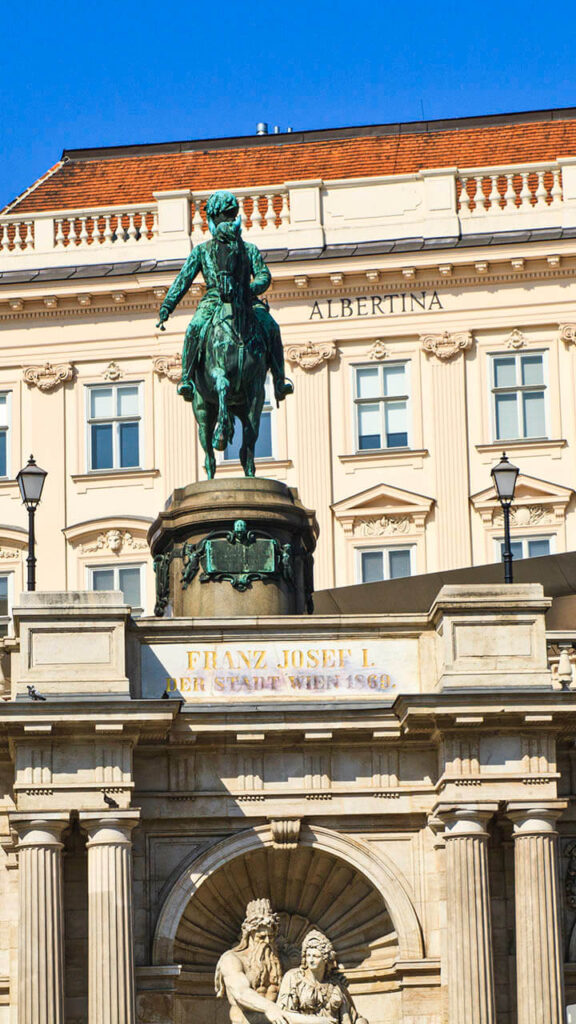
Two imperial residences with different functions. The Hofburg puts the working centre of the monarchy downtown; Schönbrunn shows its summer and ceremonial life beyond the Ring. Together they explain more than either does alone, and each is a half-day proposition in its own right.
Who Will Love It
Anyone who likes museums. Not “pop in for an hour,” but spend half a day and leave unexhausted. Vienna is built for exactly that.
Concertgoers. During the main season the choice is enormous: the State Opera, the Musikverein, church concerts, and the winter balls. In summer the major venues thin out considerably, so check schedules in advance.
Slow travellers. The city is arranged so that hurrying is optional: the centre is walkable, and a coffee house is a legitimate way to spend two hours seeing nothing at all.
Anyone who values predictability. Transit is straightforward, tap water is drinkable, and the centre is easy to navigate. For some people that’s dull; for others it’s half the reason to come.
Travellers interested in Central European history. Vienna shows the region from the former imperial capital’s point of view and gives context to places once governed from here.
Who Will Be Bored
Honesty matters more than politeness here.
Anyone choosing a city mainly for nightlife. Vienna has bars and clubs, but it’s unlikely to outperform Berlin or Budapest for someone whose evenings are the point of the trip.
Anyone who actively dislikes museums and palace interiors. If neither appeals, Vienna’s main competitive advantage shrinks considerably. Architecture, neighbourhoods, coffee houses, and outdoor spaces can still fill a couple of days, but the range becomes narrower.
Anyone expecting Alpine scenery in the city centre. Vienna has vineyards, wooded hills, the Danube, and large recreational areas, but it isn’t a mountain destination.
Anyone expecting cheap Europe. The neighbouring capitals cost noticeably less, food especially.
Families planning only museums and imperial interiors. Teenagers in particular may need a more varied programme — the Prater, street food, contemporary architecture, time outdoors — rather than another sequence of state rooms.
The Honest Drawbacks
Eating out is expensive. It costs noticeably more than in Prague or Budapest, especially at the famous cafés and traditional restaurants, and major museum admission sits closer to broader Western European prices. It’s worth working out the daily budget before you go rather than after.
Sunday is switched off. Most ordinary shops close. Major museums and many cafés stay open, so sightseeing generally isn’t affected — though it’s worth checking a specific venue. A shopping day, on the other hand, isn’t going to assemble itself.
The crowds are concentrated. The centre is compact, and that works against it: nearly every visitor ends up on the same three streets between the cathedral and the palace. A few streets away the crowds often thin out, but the main promenade stays dense in season.
Service can feel reserved. Interactions are usually correct but without demonstrative friendliness, which some visitors read as cold.
The weather at the edges. July and August bake the centre; in December daylight fades shortly after four. Both are manageable with planning, though the month you pick changes the trip more than most people expect.
What Liveability Rankings Do — and Don’t — Tell You
Vienna regularly ranks near the top of international liveability indexes, and that fact gets quoted at travellers constantly. It’s worth knowing what it actually measures.
Those rankings describe the experience of residents — infrastructure, healthcare, education, stability — rather than whether a visitor will find the city exciting.
Travellers do inherit part of it: reliable transit, drinkable tap water, clear public systems, and a city centre that’s straightforward to navigate, with normal precautions still sensible in crowded places. What the rankings say nothing about is restaurant prices, Sunday closures, nightlife, or whether Vienna matches your particular interests. A high liveability score is not a promise that you’ll have fun.
Vienna, Prague, or Budapest
Vienna is usually the strongest choice for major museums, classical music, and imperial collections. Prague offers a more immediately picturesque old town, while Budapest combines monumental architecture with thermal baths and generally lower daily costs. The choice depends less on which city is “best” than on which version of a Central European trip you want.
The distances between them are short enough that the three capitals combine into one journey, so the choice isn’t always necessary. The head-to-head comparisons are more useful once it’s down to two.
GetYourGuide
The collections that answer the question
If the museums are what tips Vienna from “maybe” to “yes”, it’s worth pricing them before you commit to the trip. The Kunsthistorisches holds the imperial collection; the Upper Belvedere holds Klimt. Timed entry saves the queue on the day.
Check museum tickets →How Many Days to Decide for Yourself
Two days is the minimum honest test. The first covers the centre; the second adds one palace, and that’s enough to know whether this is your kind of city.
One day shows the historic centre, but it misses much of what makes Vienna distinctive: the major interiors, the collections, and the palace grounds.
Three days leaves room for the second palace, a district beyond the Ring, and one evening with no plan at all.
Two Expectations Worth Correcting
Vienna isn’t primarily a medieval old town. Its visual identity comes from imperial scale: broad streets, large public buildings, and ceremonial sightlines. Prague looks older at first glance; Vienna reveals more of itself through its interiors and collections. The itinerary also extends beyond the old centre, particularly to Schönbrunn and the Belvedere.
Christmas photographs describe one season, not the whole city. Christmas Vienna is a different city, markets and all — lights, crowds, and short days. A spring or summer visit is a different trip rather than a weaker version of the same one.
Is There a Point Without the Museums
There is, but the programme looks different, and it’s worth planning rather than discovering on arrival.
Without museums, Vienna becomes an architecture-and-neighbourhood trip. The Ringstrasse, the architecture of Otto Wagner and Hundertwasser, the social housing blocks of the 1920s, the vineyards, the markets, and the coffee houses can comfortably fill two days, with a wine tavern on the edge of town for the evening. Covering the centre on foot is the natural spine for that version of the trip.
The city will run out sooner without the palaces and collections, but it doesn’t reduce to a set of handsome streets. Courtyards and street-level oddities that never make the sight lists add another layer, especially once you leave the busiest route between the cathedral and the Hofburg.

Frequently Asked Questions
Are two days enough?
For the centre and one palace, yes. A full impression needs a third.
Is Vienna boring?
For anyone choosing a city mainly for nightlife, possibly. For museums, music, architecture, and an unhurried pace, the opposite.
Is it worth visiting in winter?
Yes. The gardens are less of a draw, but museums, concerts, cafés, and seasonal events become more important.
Is Vienna a good first trip to Europe?
Yes. Public transport is clear, the centre is manageable, and English is widely usable in visitor-facing places. But if you want maximum postcard views for minimum money, Prague delivers those faster.
Continue Exploring
- What to See in Vienna — the case for the city, item by item.
- One Day in Vienna — the minimum honest test, laid out.
- Walking Tour of Vienna — the route for the no-museums version of the trip.
- Vienna for First-Time Visitors — days, budget, bookings, and local habits.
Tickets worth pricing while you decide:
Disclosure: this article contains affiliate links to TouringBee and GetYourGuide. If you buy through them, we may earn a commission at no extra cost to you.