
No products in the cart.

Walking Tour of Vienna: How to Explore the Historic Centre on Your Own
How to cover Vienna's historic core on foot — without a group, without a schedule, and without walking past the things that mattered.
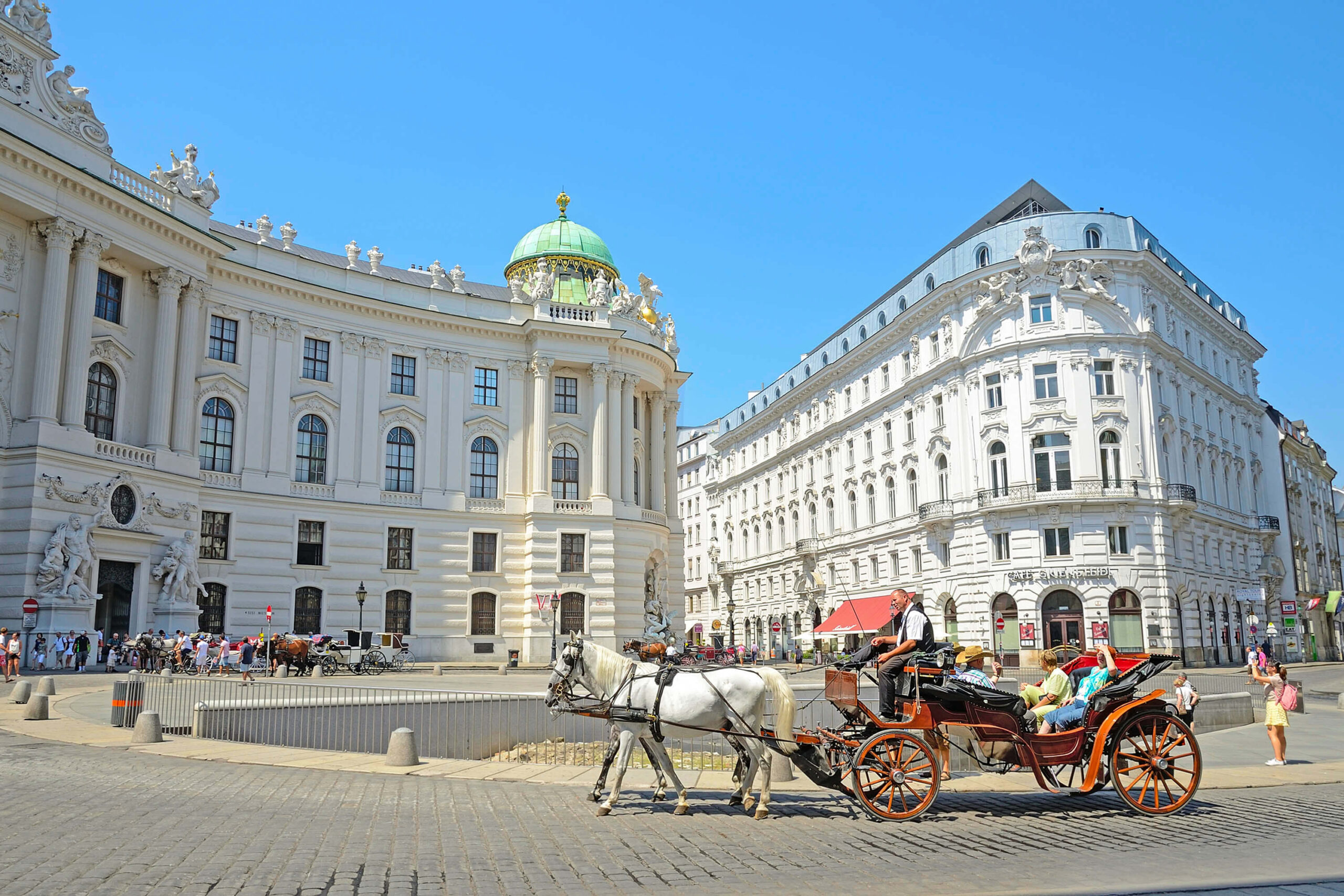
How to cover the historic core without a group, without a schedule, and without the feeling that you walked past something that mattered.
Vienna is one of the easier European capitals to explore on foot. Many of the main sights are concentrated inside the Ringstrasse, and much of the route between them is pedestrianised or traffic-calmed, so getting from one to the next stops being part of the plan. In many capitals, even the main sights are too scattered for a coherent walk. Vienna’s historic core is different.
The problem is a different one. Central Vienna is handsome and entirely uncommunicative. The facades give away nothing about who lived behind them, what happened on that corner, or why one detail on a wall looks odd and the one beside it looks odder. What signage exists tends to be sparse and factual — dates and names, not stories — so the walk turns into a sequence of well-dressed buildings that start to blur together by evening.
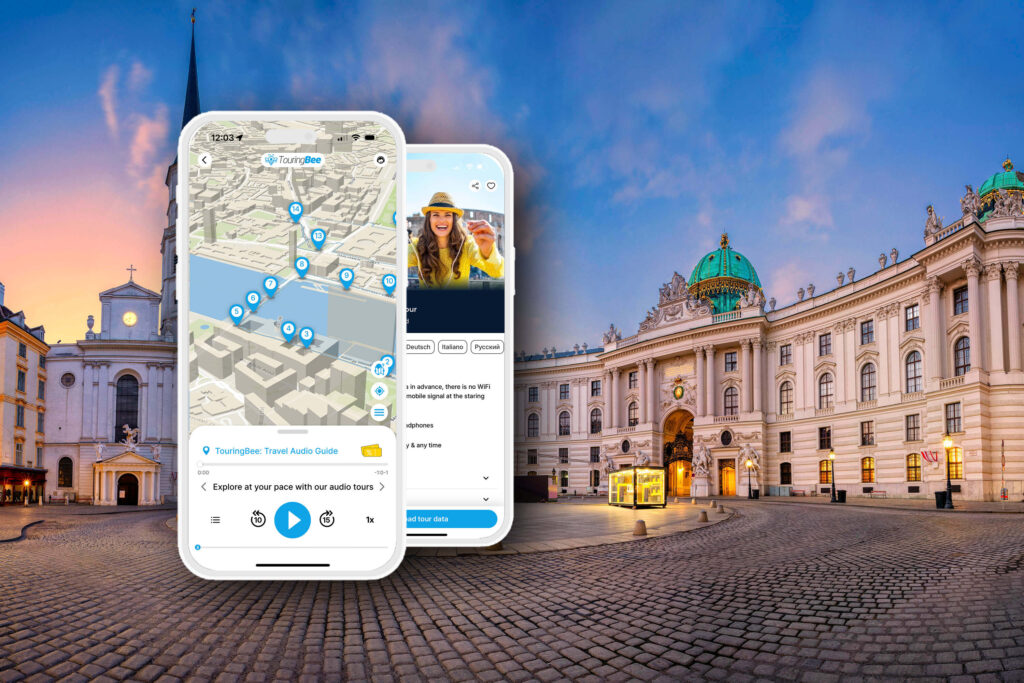
Our self-guided walking tour of Vienna fills exactly that gap: 29 stops across the historic centre, the commentary in your ears, the route on a map, and no group next to you. Below is how it works and how it differs from the other ways to see the city.
At a Glance
| What it is | A self-guided audio tour with commentary, a GPS route and landmark illustrations |
| Stops | 29 |
| How long | From 2.5 hours |
| Starting point | Stephansplatz |
| Price | €9.99 per access |
| Access | One year from activation |
| Internet required | Only for downloading and activating the tour; the route then works offline |
| Devices | iOS and Android |
| Bring | A charged phone and headphones |
| Admission tickets | Not included |
Three Ways to See the Centre
A self-guided walk isn’t the only option, and the choice deserves a moment. The usual contest is between a guided walking tour, a sightseeing bus and an audio tour. They look similar from the outside, but they suit different travellers.
| Shared walking tour | Hop-on hop-off bus | Audio tour | |
|---|---|---|---|
| Pace | Set by the group | Set by the route and stops | Yours |
| Questions | Yes | Usually no | No |
| Detours and pauses | Limited | Only at designated stops | Whenever you like |
| Commentary in the pedestrian core | Yes | Limited by road access | Yes |
| Best for | Human interaction | A seated overview | Flexibility and independent walking |
| Pricing | From €35 per person / from €150 per group | From €39 per person, usually for 1–3 days | €9.99 per device |
A live guide is the strongest choice when conversation and personalised answers matter most. A good one adapts to the group, changes pace, and answers the question you didn’t know you had. The audio tour trades that interaction for a lower price, complete control of the pace, and the freedom to pause or return whenever you like.
The bus works less well in Vienna than in cities with scattered sights. Much of the sightseeing core is pedestrianised or traffic-calmed, so buses stay mainly on the Ring and the roads around it, and a good deal of what you came for sits inside the circle. If you only want a seated look at parts of the Ring, ordinary trams 1 and 2 are cheaper — though they follow different routes and provide no commentary. It’s worth understanding how Vienna’s transit tickets work before relying on either.
What the Commentary Helps You Notice
The value of the commentary is often in details you might not realise deserve a second look:
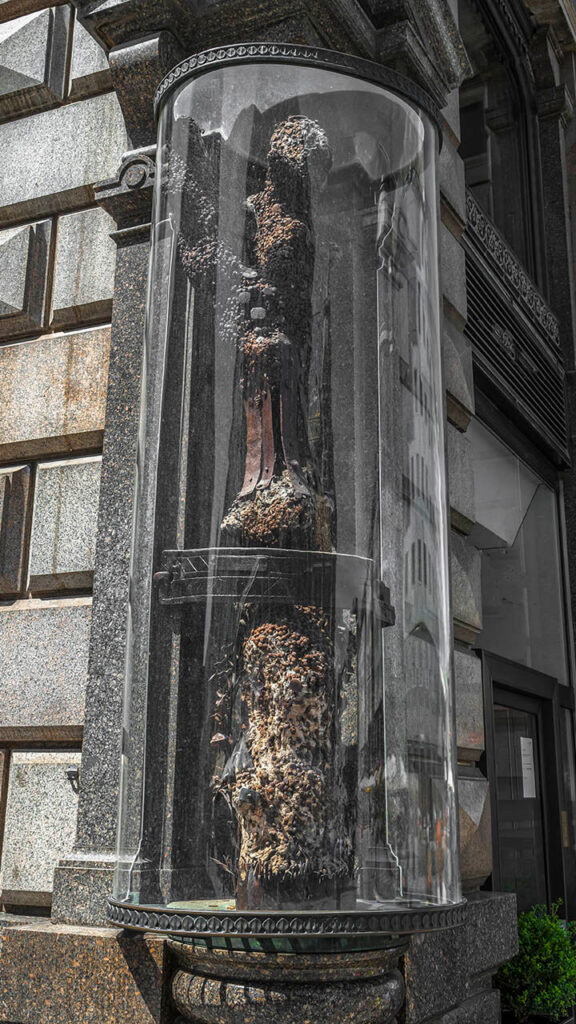
- Why a tree trunk covered in nails is preserved under glass on a busy street corner
- What a five-letter imperial inscription has meant for centuries
- How the plague became part of Vienna’s folklore
- Why two famous confectioners ended up in court over a cake
The answers are difficult to reconstruct from the buildings themselves. Most of these aren’t explained on site in a way a passer-by would notice, and Vienna keeps a great many stories like this, hidden in details rather than displayed on information panels.
Your Own Pace Isn’t Just a Slogan
The phrase sounds like marketing right up until you’re in a group.
In practice it means this. You stand in front of a building for as long as you need, rather than for as long as twenty people take photographs. You turn down a lane because a courtyard opened up, and come back ten minutes later. You sit down in one of the coffee houses that are a sight in their own right, pause the tour, walk out an hour later and pick up where you left off.
Replaying deserves its own mention. With a live guide, what you missed stays missed: asking someone to repeat themselves is awkward, and remembering to ask two hours later is worse. Here you can replay a stop immediately or return to it later during your access period — useful when a detail only makes sense after the rest of the walk.

How Long the Walk Takes
From two and a half hours. Where it lands depends on how often you stop, and the centre is built to produce reasons constantly.
There are two sensible ways to split it.
In one go. Cover the essentials in the morning, then leave the afternoon free for museums, which close earlier than the streets do — the Kunsthistorisches Museum sits a few minutes from the end of the walk and is the obvious indoor half of the day.
Across two. The first part in the morning, the second toward evening, when the light and the crowds are different. That version works better in hot months and in winter, when it gets dark early — the season affects this more than most people expect.
There’s no requirement to do it all at once. The stops don’t lock behind you, and coming back tomorrow costs nothing.
What One Stop Feels Like
From the inside it’s simpler than any description makes it sound.
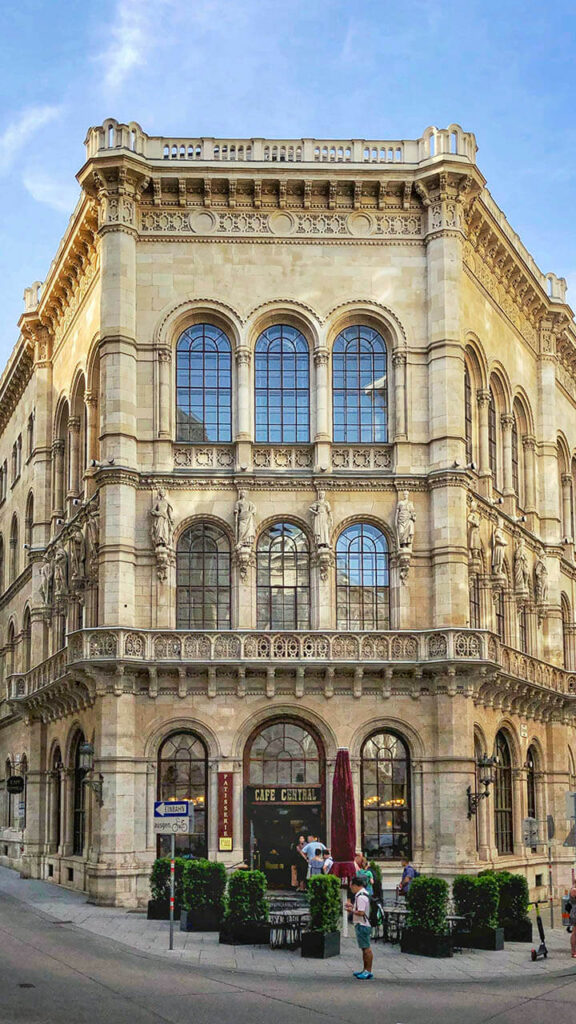
You follow the map to the next marked point and press play for that stop. Then you just look — at the facade, at a small architectural detail, at the building opposite, depending on what the narrator is discussing.
When the recording ends, the map leads you onward. You can continue straight away, replay what you just heard, pause for coffee, or come back to the route later in the day.
How It Works
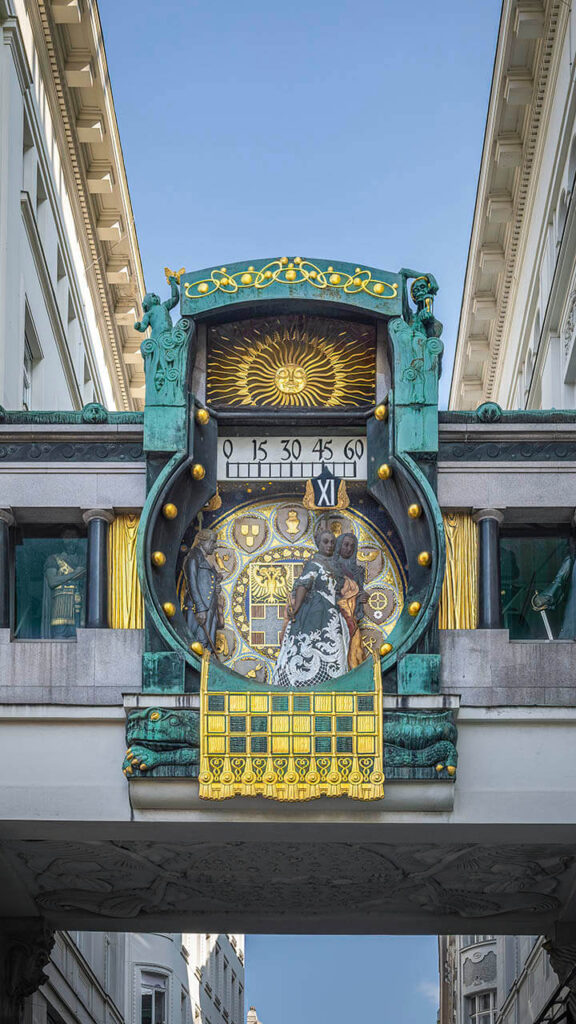
Setup is brief: download the app, activate the purchase, and save the tour while you have a reliable connection. After that:
- The route works offline. No roaming is needed once it’s downloaded.
- Bring headphones. Playing it aloud on a crowded street is unpleasant for you and for everyone around you.
- The map shows your position and the next stop, so you won’t need a paper plan.
- The app runs on iOS and Android.
Who It Suits
The format doesn’t serve everyone equally, and it’s fairer to say so outright. It wins wherever someone else’s pace gets in the way, and loses wherever you’d rather have a conversation.
Solo travellers. You get the structure and commentary of a tour without having to join a temporary group.
Couples. You can walk side by side, pause whenever either of you wants, and talk without holding up a group.
Anyone short on time. With a single day there’s no room for planning: the material is already gathered and arranged by location, and all that’s left is to walk.
Return visitors. The obligatory list is done, nothing is urgent, and the route can be spread across several unhurried evenings.
If asking questions and getting personalised answers on the spot matters to you, though, a live guide is still better. That is its main advantage over a recorded tour.
A year after the trip, you’ll still have the photographs. What they show — and why the detail mattered — is much easier to forget. Vienna is particularly good at hiding its stories in things that barely register in the picture.
What to Bring and When to Head Out
Early morning is usually quieter and gives you more room around the major sights. After dark, the illuminated buildings make for a very different walk. In summer, the middle of the day tends to be the busiest and least comfortable stretch; in winter it may be one of the better windows, simply because the daylight is short.
- Shoes. The centre is cobblestone and the walk adds up to several kilometres
- A charged phone and headphones. Audio and continuous map use can drain the battery
- Water. Vienna’s tap water comes from Alpine springs, and dedicated public drinking fountains are easy to find along the route. Use those rather than decorative fountains
- Weather. The route is outdoors; in rain it’s easier to split across two outings
Most of the rest of the pre-trip practicalities — tickets, bookings, what closes on Sundays — matter for the walk too.

Common Mistakes
Starting at the busiest time of day. In summer, the middle of the day usually brings the largest crowds and the most heat.
Beginning with a low battery, or without downloading the tour. Save the route in advance and bring headphones.
Leaving the walk until your final few hours in Vienna. Starting earlier in the trip gives you room to pause, split the route, or return after bad weather.
Continue Exploring
- What to See in Vienna — sights worth seeing
- One Day in Vienna — how the walk fits into a single day
- Self-Guided City Walking Tours That Work — what separates a good self-guided route from a bad one
If you’re pairing the walk with an indoor afternoon, Schönbrunn Palace and Belvedere Palace both sit outside the Ring and are best booked ahead.
GetYourGuide
Tickets for the indoor half of the day
The walk covers the streets; palaces and museums need a ticket, and the popular ones sell timed entry slots that go early in summer. Booking the afternoon before you set off keeps the queue out of your day.
See Vienna tickets and passes →Frequently Asked Questions
Do you need internet during the walk?
Only to download and activate the tour. After that it runs offline.
How long does it actually take?
From two and a half hours. Beyond that it depends on how often you stop.
Can you do part of it?
Yes, and come back to the rest another day. Access lasts a year from activation.
Can you replay it?
Yes, including after the trip, for as long as your access lasts.
Does one purchase cover a group?
The tour plays on the device where it’s activated. Check the current access terms if several people want it on separate phones.
What languages is the audio in?
Ten.
Why pay when free articles exist?
Articles answer the question of what to see. The walk answers what happened here — and does it while you’re standing in the right spot.
What if it rains?
Pause and go into a café. Pick the route back up later, or the next day.
Disclosure: this article contains links to our own TouringBee audio guide and affiliate links to GetYourGuide. If you buy through them, we may earn a commission at no extra cost to you.