
No products in the cart.

Vienna for First-Time Visitors: What to Know Before You Go
How many days to allow in Vienna, how much to budget, what to book ahead, and the local habits — Sunday closing, tipping, coffee-house etiquette — that work differently from what you're used to.
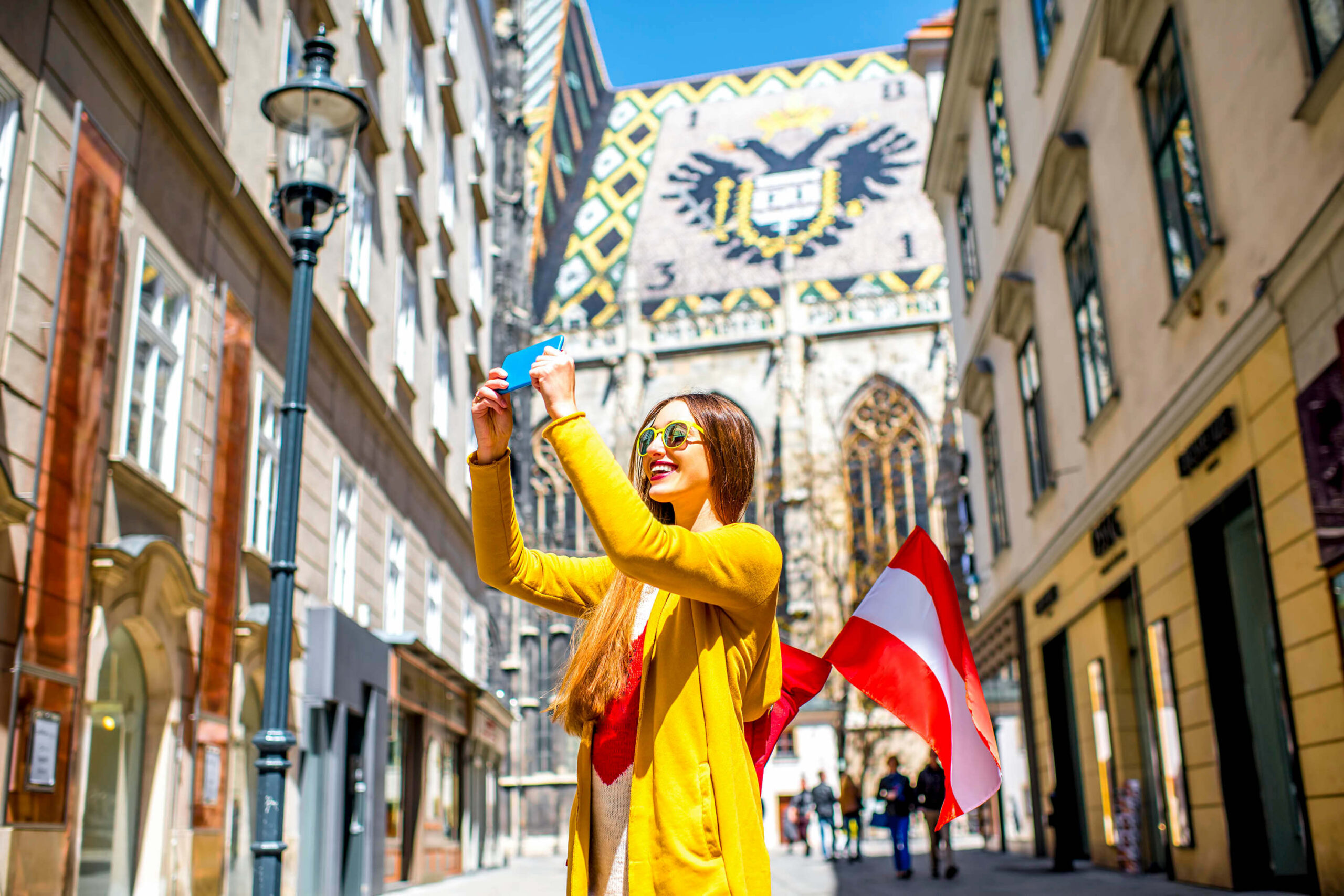
How many days to allow, how much to budget, what to book ahead, and the local details that work differently from what you’re used to.
Vienna is a city where it’s hard to make a mistake big enough to ruin the trip. The transit runs, the tap water is drinkable, English gets you through downtown, and the distances are short enough that even a badly chosen hotel won’t sink you.
Small mistakes, on the other hand, are easy. Arriving on a Sunday with a shopping plan. Allowing two days and then discovering the palaces need a trip of their own. Turning up at a museum box office alongside everyone else who didn’t buy ahead. Nothing irreversible, but each of those costs an hour or two, and on a short trip the hours count.
What follows is what’s worth settling before you fly: length of stay, budget, bookings, and a handful of local habits people usually learn on arrival. One of those habits is that the centre gets explored on foot rather than by transit, which is why it works well as a self-guided audio route with the map and commentary already arranged by location.
How Many Days to Allow
Two days is the minimum that doesn’t turn the trip into a sprint. Three is the comfortable version, the one that doesn’t leave you feeling you skimmed it.
The difference between them matters. The historic centre is a one-day proposition: it’s enclosed by the Ring and everything inside sits close together. At the same time, Schönbrunn and the Upper Belvedere are outside the Ring, so travel and visiting need time of their own — figure half a day for Schönbrunn and two to three hours for the Belvedere. Two days give you the centre and one palace; three give you the centre and both.
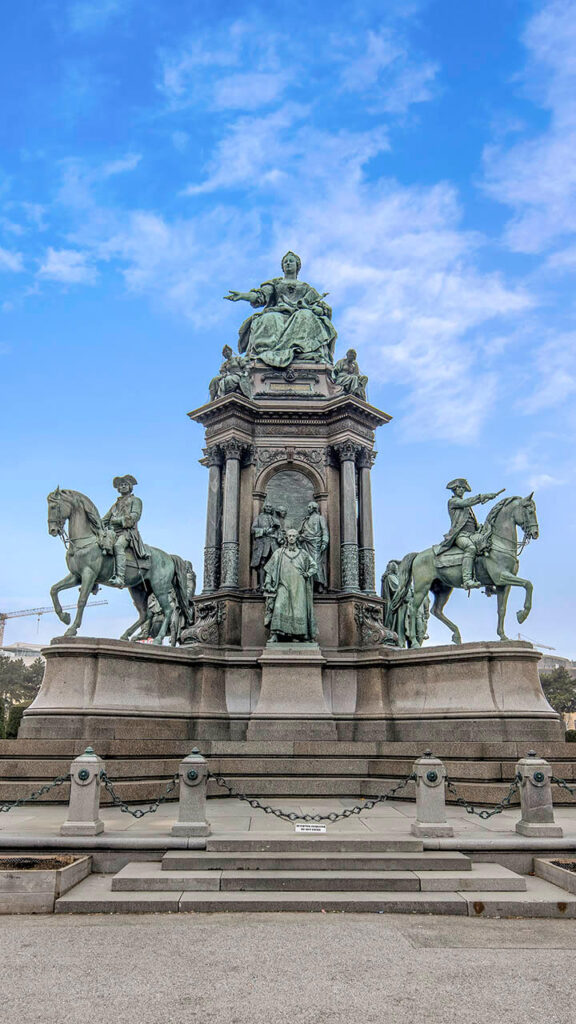
With only one day, you’re choosing between two scenarios, and both work. Either the centre in full — cathedral, squares, the palace quarter, an evening in a coffee house or at the opera. Or one palace, with the rest of the day going to whatever falls along the way. The least rewarding option is trying to fit both the historic centre and a palace into the same day: it’s technically possible, but almost everything becomes a rushed exterior stop.
Allow more than three days if museums are a priority, or if you plan to add day trips beyond Vienna. The full list of what the city holds is longer than any three-day plan.
When to Come
Vienna works year-round, but the difference between months is bigger than the weather alone.
- May and September usually offer the easiest balance of mild weather and manageable crowds.
- December brings the Christmas markets, along with packed central squares and very short days.
- Summer means long evenings and active parks, but also heat and reduced performing-arts schedules.
- January and February are quieter and coincide with ball season.
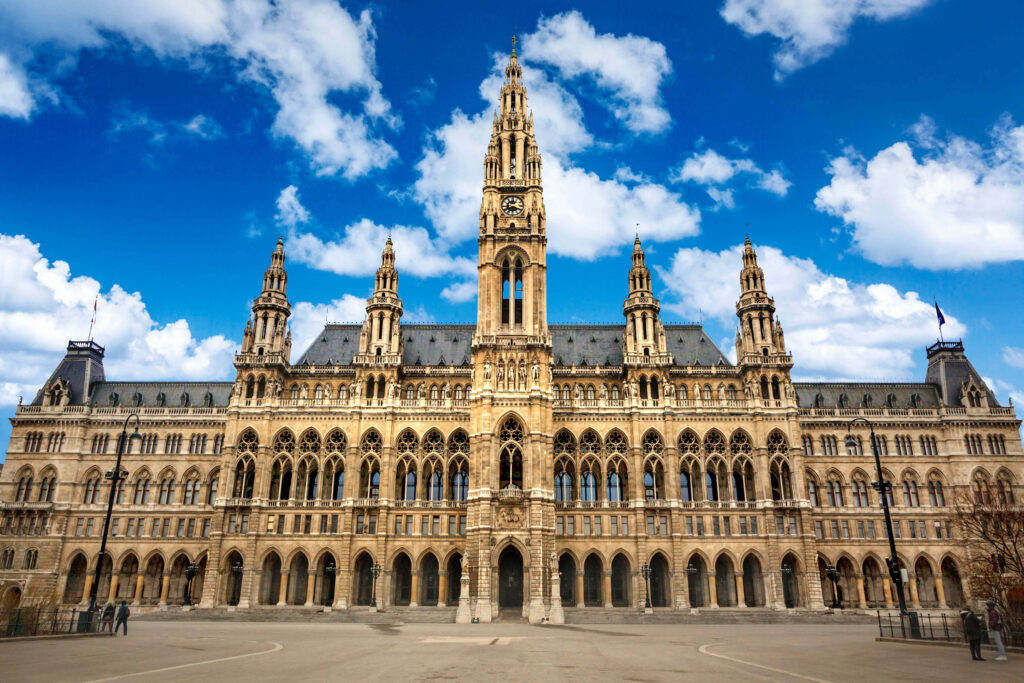
If one season is already shaping the trip, check the current event and opening calendars before booking.
Where to Stay
The 1st district is the historic centre inside the Ring. It gives you the most sights on foot and usually the highest hotel prices.
Outside it, the district number is less useful than the address itself. When you’re comparing neighbourhoods, check the walking time to the Ring and whether a direct metro line reaches the centre. Districts 2 through 9 include both extremely convenient streets and locations that feel much farther out than the number suggests.
For a short first trip, the time saved by avoiding daily transfers may be worth more than a slightly cheaper room.
Booking.com
Compare places to stay in Vienna
The 1st district puts you inside the Ring and closest to everything on foot. Districts 2 to 9 trade a few minutes of walking for a lower nightly rate — but only some addresses actually deliver that trade. Compare the map view before you commit.
See Vienna hotels →How Transit Works
Vienna’s metro has no ticket barriers, but that doesn’t mean travel is free. You need a valid ticket, and paper tickets may need to be validated before the first ride.
Inside the Ring, you’ll mostly walk. Transit becomes useful for Schönbrunn, the Belvedere, the outer districts, and the airport.
The system is easy once explained, but fares and validation rules can change, so the ticket types repay a closer look before you choose a pass.
What to Budget
Vienna costs more than Prague or Budapest, cafés and restaurants especially. It also costs noticeably less than Zurich or Copenhagen, so calibrate your expectations against Western Europe rather than Central.
| Item | Typical range |
|---|---|
| Major museum or palace admission | About €20–40 |
| Quick lunch | About €10–15 |
| Sit-down lunch | About €25–40 before extras |
| Coffee and cake at a famous café | About €15–20 |
| Standing place at the opera | About €13–18 |
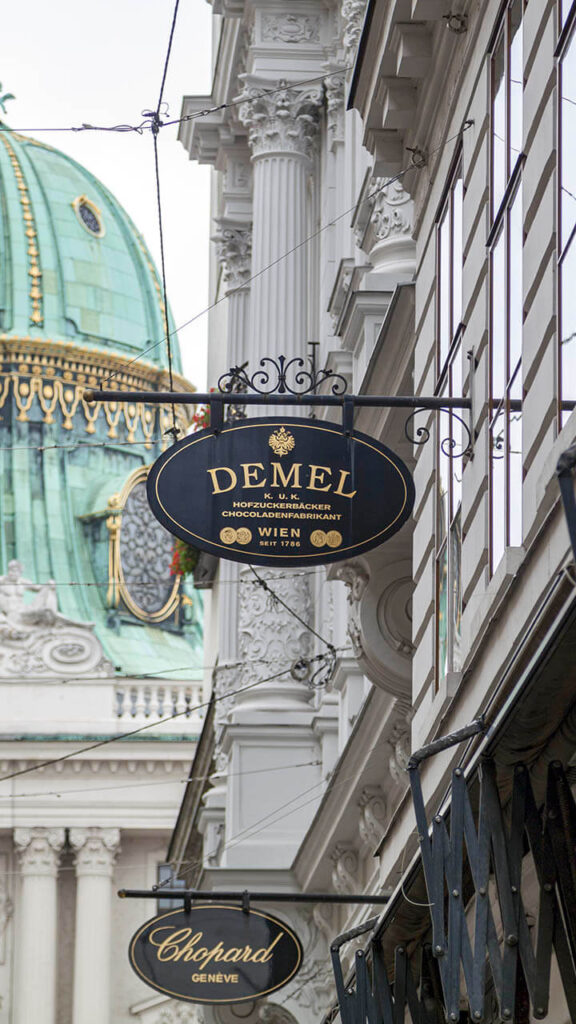
Transit is a relatively small part of the budget, especially if you stay near the centre and walk. Museums and meals create the larger differences.
A fair share of the programme costs nothing: Schönbrunn’s main park, the Belvedere gardens, and St. Peter’s Church. Other experiences cost very little by comparison — an ordinary tram along the Ring, for example, is far cheaper than a sightseeing bus. There are more ways to keep the daily total down than most first-timers expect.
What to Book Ahead and What Can Wait
Book ahead: timed tickets for Schönbrunn and the Upper Belvedere, the Spanish Riding School, well-known restaurants, and any free tour that requires registration.
Usually fine on the day: most major museums outside the busiest periods, churches, and parks.
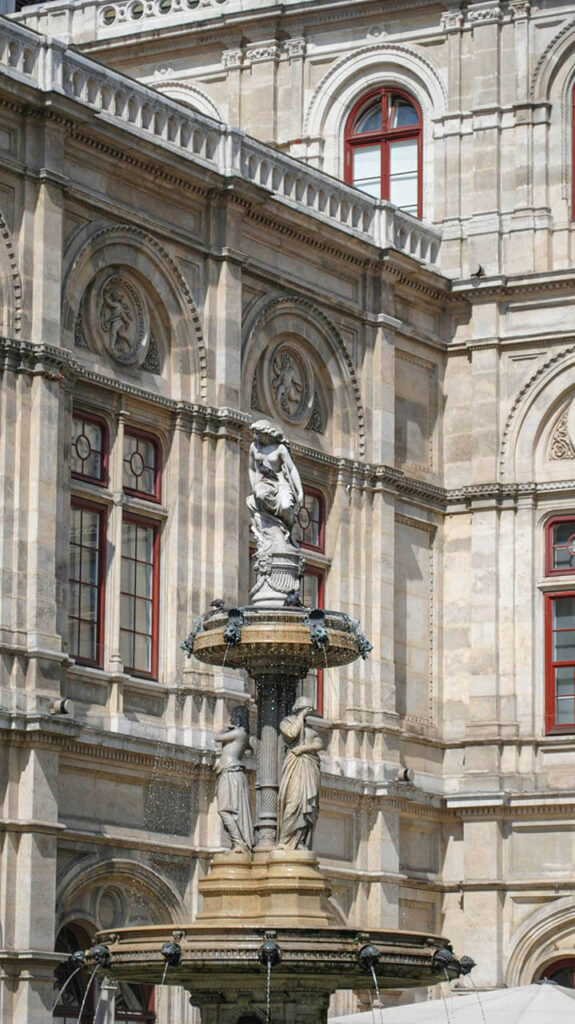
Opera standing places follow their own same-day system. Coffee houses have no single rule — some accept reservations, others work first-come — so check the specific venue rather than assuming.
What Closes on Sundays
This is the local quirk that trips up the most visitors: most ordinary shops in Vienna are closed on Sundays.
Some shops at major train stations and the airport remain open, and museum shops usually follow the museum’s schedule, so basic purchases are still possible — but you won’t assemble a shopping day out of it.
Most major museums and many cafés and restaurants do open, so Sunday barely affects sightseeing. It’s worth checking a specific venue, though: some use Sunday as their weekly closing day.
Small Things Nobody Mentions
Tipping. In restaurants, cafés, and taxis, 5–10% is normal. Most people simply state a rounded total when paying; there’s no fixed rate, and on a large bill about five percent is enough. In many places, the tip can also be added to a card payment.
Cash. Cards are widely accepted but not universally. Small cafés, shops, and kiosks may be cash-only or set a minimum for card payments, so keep some euros with you.
Water. Vienna’s tap water comes from Alpine springs. Drink only from dedicated public drinking fountains, not from decorative ones.
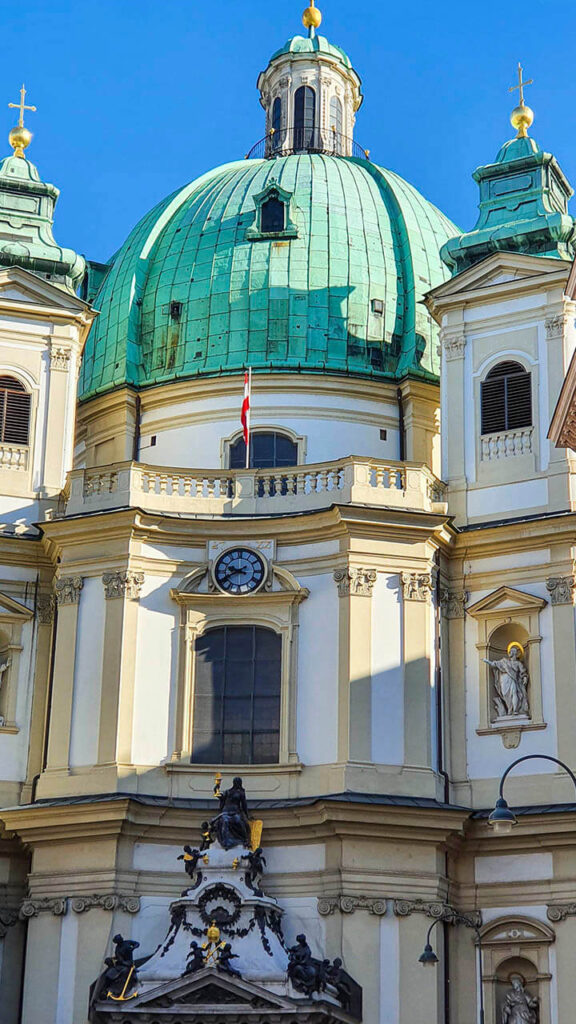
Churches. Many are free to enter, but towers, museums, viewing platforms, and some churches are ticketed. These are working churches: dress respectfully, particularly during services, and covered shoulders and knees are the safest choice.
Coffee houses. You order a specific kind of coffee rather than just “a coffee.” It arrives with a glass of water on a tray, and once seated you’re generally not rushed to leave as soon as the first cup is finished. The etiquette around them is more elaborate than it looks.
Shoes. A day downtown easily runs to 10 km (6 miles), and the cobblestones tire your feet faster. Comfortable beats smart here. If you’d rather spend that walking time learning something, the centre works well as a self-guided route.
Common Mistakes
Saving all the museums for the evening. Most close earlier than coffee houses and restaurants — and which museum you pick matters more than how many you fit in.
Staying far outside the centre solely to save on the room. Over a short visit, commuting time can erase the benefit.
Building a day around one venue without checking its current schedule. Seasonal breaks, renovations, and event days can all change access, and they’re easy to miss unless you check the venue directly.
Frequently Asked Questions
Do you need German?
No. English works downtown, in museums, hotels, and cafés. A few words of German are still appreciated, but they aren’t necessary for a first visit.
Is Vienna safe?
Vienna generally feels straightforward for visitors, but normal precautions against pickpocketing still apply in crowded places and at major stations.
Is a city card worth buying?
It depends on your plan. The Vienna City Card combines transit with discounts, while the Vienna PASS focuses on admission to attractions. Each only pays off with a matching itinerary, so price both against the places you’ll actually visit.
How long does the airport run take?
Allow roughly an hour from the airport to your hotel once waiting time and the onward journey within Vienna are included. Several rail and bus options operate, and temporary construction can change the best route, so check current information shortly before you travel.
What happens on Sundays and public holidays?
Treat public holidays much like Sundays: most ordinary shops close, while major museums and many restaurants stay open. Check individual schedules before you go.
Continue Exploring
- One Day in Vienna — how the centre fits into a single day.
- What to See in Vienna — the longer list, if three days isn’t your ceiling.
- Walking Tour of Vienna — the route the centre is best seen on.
Tickets worth pricing before you go:
Disclosure: this article contains affiliate links to TouringBee, GetYourGuide and Booking.com. If you buy through them, we may earn a commission at no extra cost to you.