
No products in the cart.

Free Things to Do in Gothenburg: A Complete Budget Guide
Free things to do in Gothenburg: canals, Haga, Skansen Kronan, a free zoo and street art — plus a full zero-cost day itinerary and budget tips.
Sweden has a reputation for being expensive, and that reputation is largely deserved. But Gothenburg has a generous streak when it comes to free experiences — generous enough that it’s entirely possible to have a full and rewarding day in the city spending almost nothing on entry fees. The free walking, the free parks, the free viewpoints, the free architecture, and the free cultural life are collectively substantial. The question is knowing what qualifies and where to find it.
This guide covers the genuinely free things to do in Gothenburg: no entry fees, no catches. It also covers the nearly-free — experiences that cost only the price of a tram ticket or a coffee — and explains how to build a day around them without feeling like you’re getting a diminished version of the city. And since walking is the backbone of every budget day here, it’s worth knowing that the TouringBee Gothenburg City Walking Tour covers the same historic route as paid guided tours for a fraction of the price — more on that below.
Why Gothenburg Is Surprisingly Good for Free Travel
Several structural facts make Gothenburg more budget-friendly than its Scandinavian reputation suggests. First: the city is highly walkable and the walking itself is the experience. The canal district, Haga, the tram-lined avenues, and the hilltop viewpoints are all accessible on foot without paying a single krona. Second: Sweden’s allemansrätten (right of public access to nature) gives every visitor legal access to parks, coastline, and green spaces regardless of ownership — Slottsskogen’s 137 hectares of urban park and the Gothenburg archipelago are both covered by this right. Third: several of the city’s most distinctive cultural landmarks are free to enter as buildings even when you’re not paying for a specific exhibit.
Add the fact that Gothenburg’s best street life happens on public streets and in public squares, and you have a city that rewards people who move through it on foot more than it rewards people who move from ticketed attraction to ticketed attraction.
Free Things to Do in Gothenburg — The Full List
1. Walk the Canal District
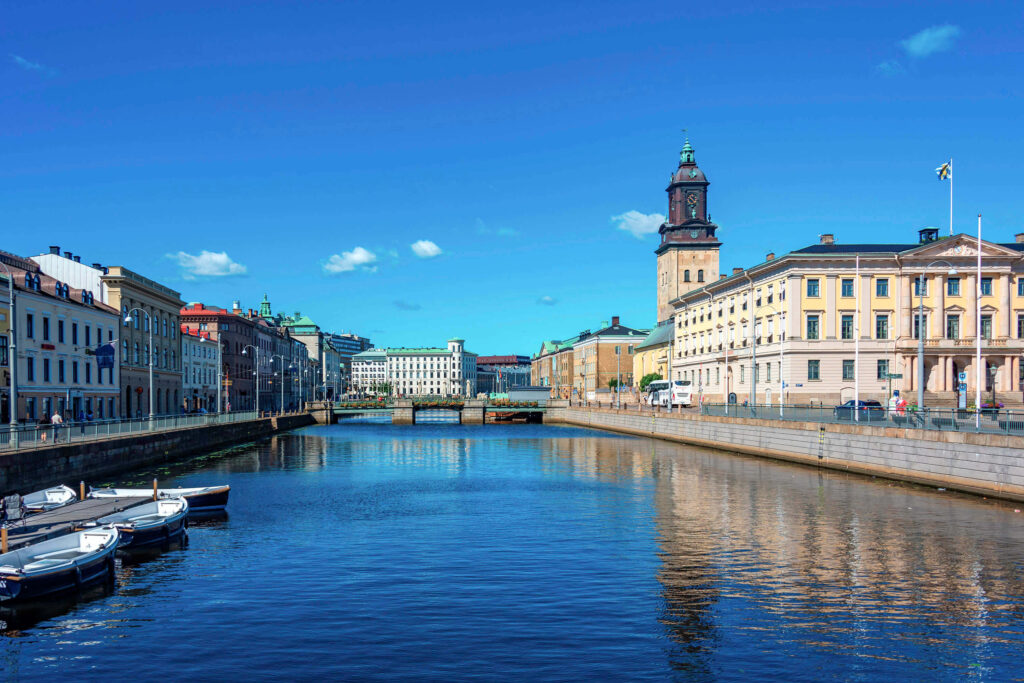
The towpaths along the Stora Hamnkanalen and the Rosenlundskanalen are public walkways, free to use, and among the most pleasant urban walks in Scandinavia. The historic merchant facades on the southern bank, the canal bridges, the pleasure boats moored in summer — all of this is accessible without paying anything. The canal district is the spine of Gothenburg’s historic center and the visual experience of walking along it is the city at its most characteristic. If you’d rather see the canals from the water for once, the classic Paddan canal sightseeing cruise is one of the cheaper paid experiences in the city.
2. Climb to Skansen Kronan
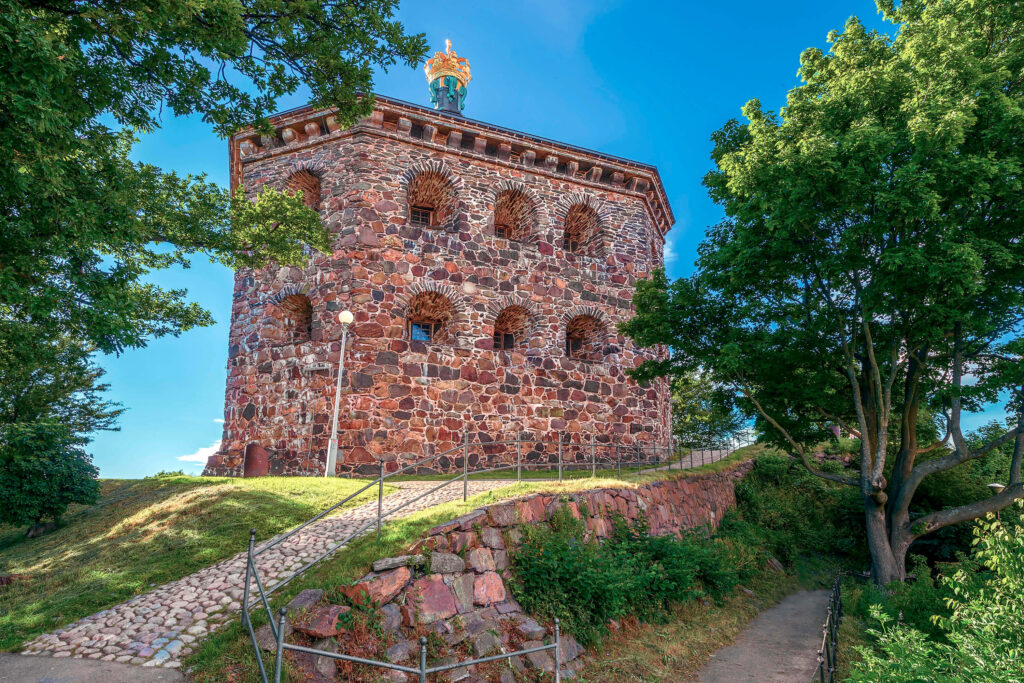
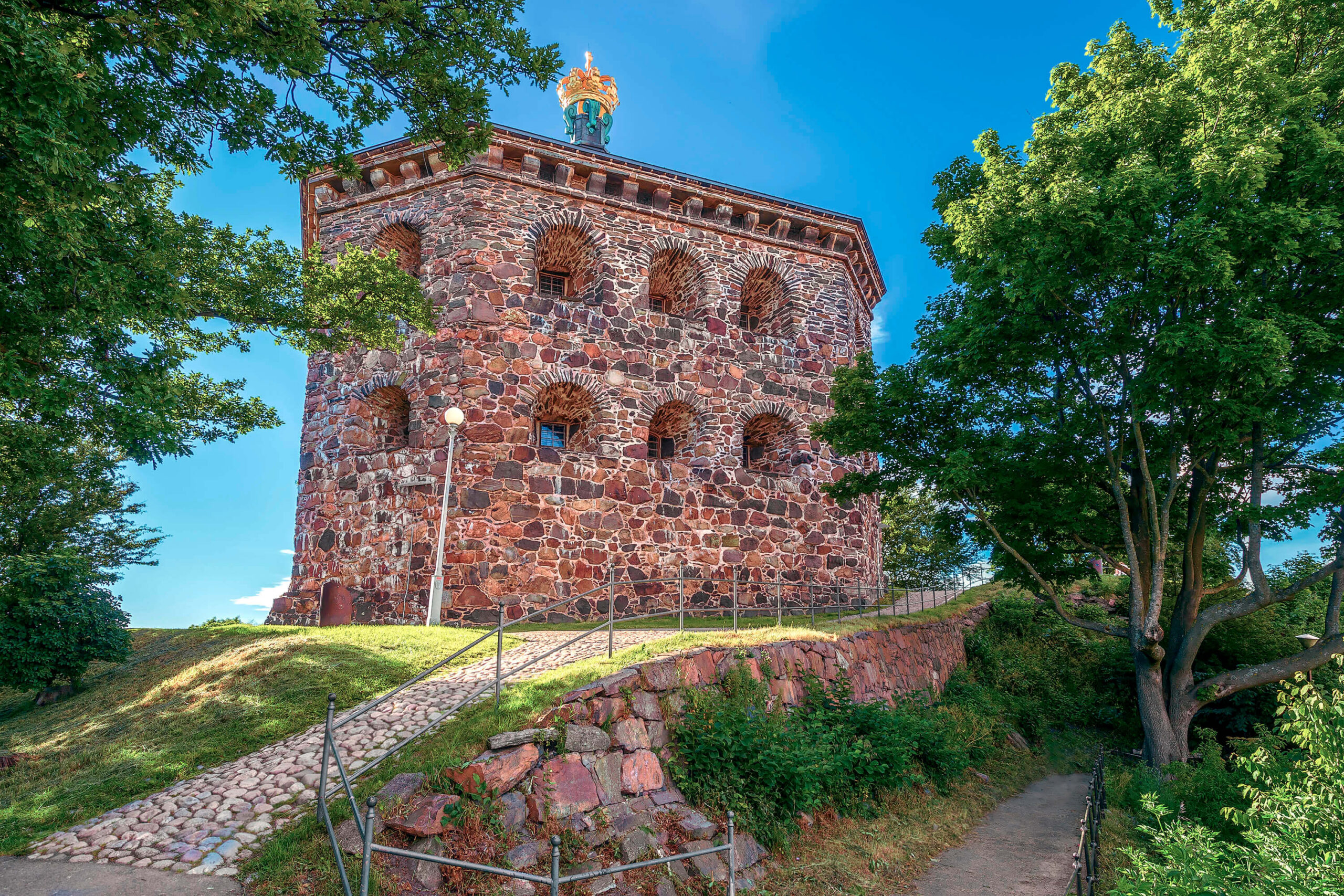
The 17th-century hilltop fortress above Haga is free to access. The grounds are open during daylight hours, the walk up takes about 15 minutes from the base of the hill, and the view from the top is the best panoramic viewpoint in the city — better than any paid observation deck and uncrowded even when the neighborhoods below are busy. On a clear day you can see the harbor, the Göta Älv, the city grid, and the beginning of the archipelago.
3. Explore Haga on Foot
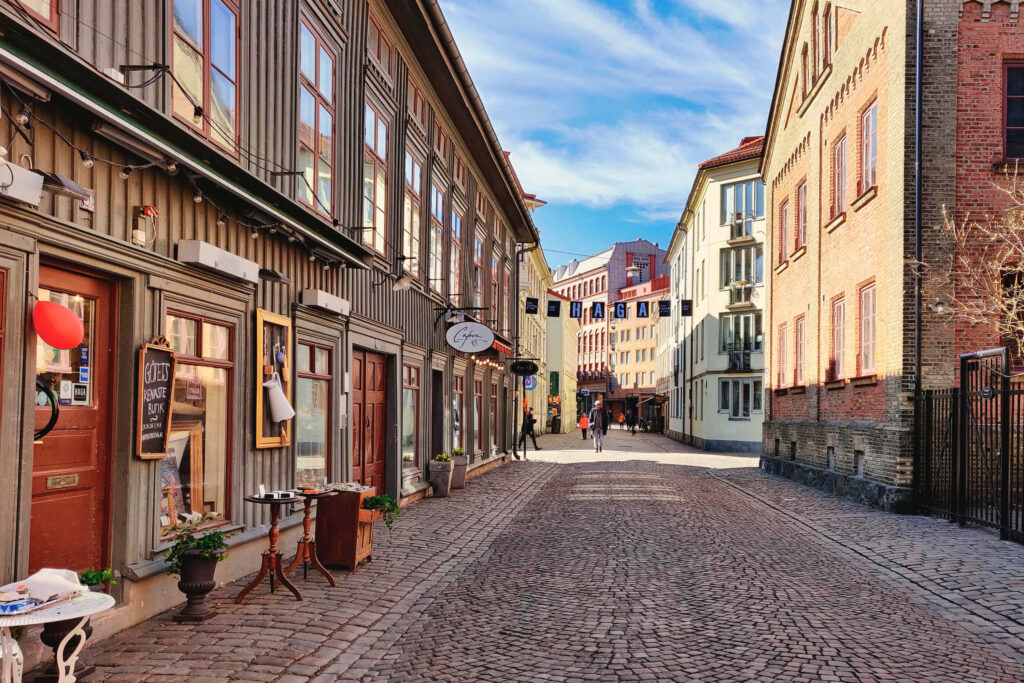
The Haga neighborhood — Gothenburg’s oldest surviving residential area — is an entirely free experience in itself. The landshövdingehus buildings (stone ground floor, wood upper floors) that line Haga Nygata and the surrounding streets are architectural history you walk through rather than view behind glass. The cobblestone lanes, the neighbourhood squares, the vintage shop windows — none of it costs anything. The only money you’ll spend is optional: a fika stop at one of the cafés is worth doing, but it’s not required for the neighbourhood experience.
4. Gustaf Adolfs Torg and the City Hall
The main civic square of Gothenburg — named for the king who founded the city in 1621 — is a free public space. The equestrian statue of Gustav II Adolf, the City Hall facades, the canal view from the square’s southern edge, and the general civic grandeur of the space are all accessible without charge. The square is often the starting point for the walking route through the historic center.
5. Slottsskogen Park and the Free Zoo
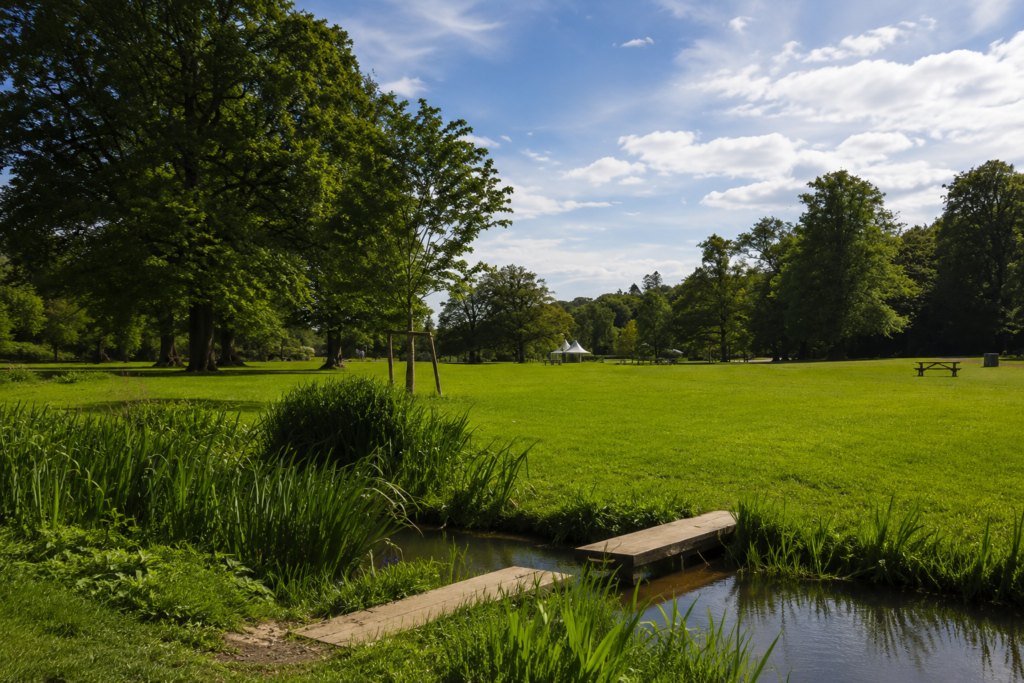
Slottsskogen is Gothenburg’s main city park, covering 137 hectares and free to enter. Within the park, there is a free zoo — Naturum — with moose, reindeer, flamingos, seals, and farm animals. This is not a petting zoo or a children’s attraction in the diminished sense; it’s a legitimate wildlife encounter that costs nothing. The park itself also has forest trails, a rose garden, pond areas, playgrounds, and open lawn space used by locals for genuine outdoor recreation rather than tourism.
6. The Artscape Street Art Trail

Gothenburg’s civic street art program has produced large-scale murals across multiple neighborhoods over two decades. Walking the Artscape trail in Gamlestaden or the Högsbo area costs only a tram ticket to reach and nothing once you’re there. The work is genuine public art — commissioned, high-quality, and diverse in style — located on the sides of ordinary buildings in ordinary neighborhoods.
7. The Gothenburg Cathedral (Domkyrkan)
The Gothenburg Cathedral — the third church built on this site, completed in 1815 after fires destroyed its predecessors — is free to enter during opening hours. The neoclassical interior is calm and well-proportioned, used for regular services rather than tourist visits, which gives it a quietness that many more famous Scandinavian churches lack.
8. Götaplatsen and the Museum of Art Facade
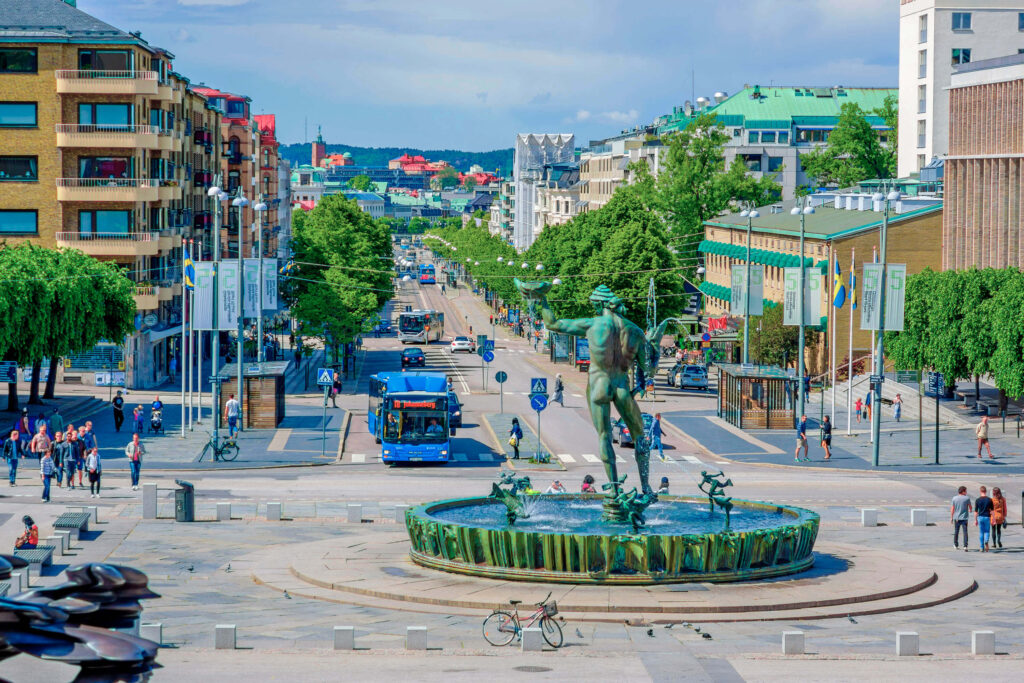
The cultural plaza at the top of Kungsportsavenyn — with the Concert Hall, the City Theatre, and the Museum of Art arranged around Carl Milles’s Poseidon fountain — is a free public space. Entry to the Museum of Art costs money, but the plaza itself, the Poseidon sculpture, and the architectural composition are free to experience. The area is animated by the street life of Avenyn extending toward it, particularly on summer evenings.
9. The Waterfront and Stenpiren
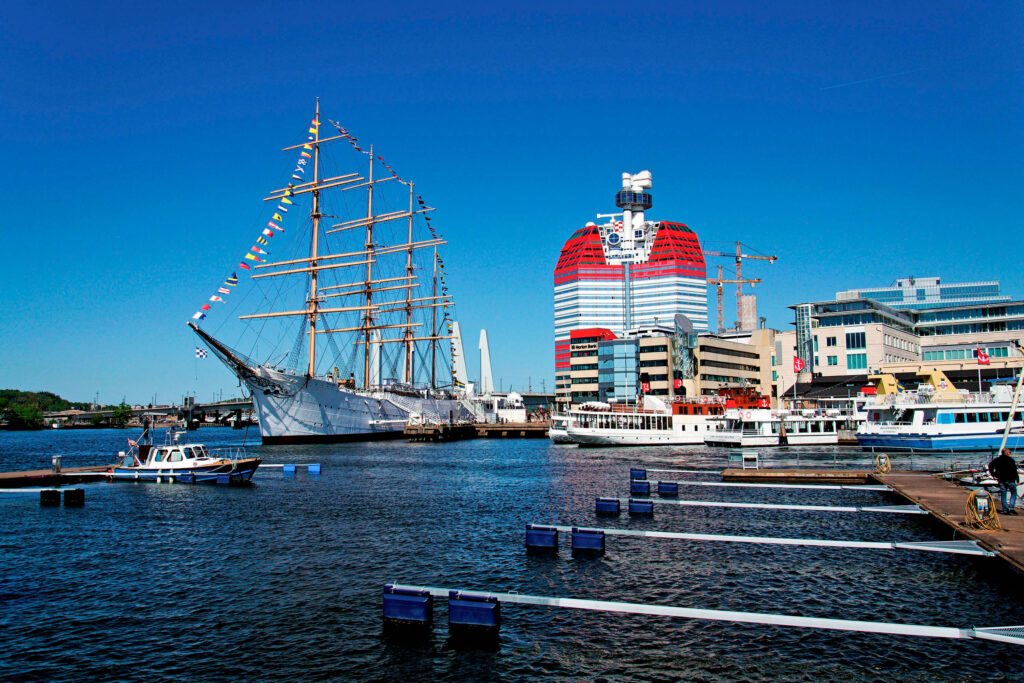
The Göta Älv waterfront north of the city center — around Stenpiren, where the archipelago ferries depart — is a free public area with views across the river to the Hisingen island. The moored vessels, the ferry traffic, the industrial waterscape of a functioning major port — all visible from the public waterfront path at no cost. The Maritiman museum ships are also visible from the waterfront without buying a ticket, though boarding them requires admission.
10. Feskekörka Exterior and Canal View
The Feskekörka (Fish Church) is one of Gothenburg’s most photographed buildings — a Gothic Revival fish market hall built in 1874 on the bank of the Rosenlundskanalen. The exterior and the canal view from the bridge opposite are free to enjoy. The interior fish market involves no entry fee either (you pay for what you buy), so walking through the market hall is technically free even if you don’t purchase anything.
Free vs. Low-Cost: The Full Spectrum
| Experience | Cost | Notes |
|---|---|---|
| Canal district walk | Free | Year-round; best in morning light |
| Skansen Kronan viewpoint | Free | Grounds open daylight hours; occasional interior visits at small cost |
| Haga neighbourhood walk | Free | Fika stop optional (SEK 50–80); highly recommended |
| Slottsskogen park + free zoo | Free | Open year-round; natural history museum adjacent costs ~SEK 60 |
| Artscape street art trail | Free + tram (SEK 35–40 per trip) | Check current trail map at artscapegoteborg.com before visiting |
| Cathedral (Domkyrkan) | Free | Check opening hours — closed during services |
| Götaplatsen plaza | Free | Museum of Art entry: ~SEK 100 |
| Waterfront / Stenpiren | Free | Archipelago ferry from same point: ~SEK 130 return |
| Feskekörka exterior + market walk-through | Free | Open Tuesday–Saturday, closes ~3pm; restaurant upstairs costs SEK 150–250 |
| Tram trip across the city | SEK 35–40 per trip or day pass | A day pass (~SEK 120) covers everything |
| City Museum (Stadsmuseet) | ~SEK 120 | Worth it for the Viking ship; free for under-18s |
| Maritiman (ship museum) | ~SEK 180 | Best paid experience for the money — submarine alone justifies the cost |
Building a Free Day in Gothenburg
A complete free (or near-free) day in Gothenburg is entirely achievable. The walking route that forms the backbone of most Gothenburg visits — from Gustaf Adolfs Torg along the canals, past the Feskekörka, through the city center to Haga, and up to Skansen Kronan — costs nothing except shoe leather and a couple of hours. Add Slottsskogen in the afternoon and you have a full day.
| Time | Activity | Cost |
|---|---|---|
| 9:00–9:30 | Gustaf Adolfs Torg — start at the founding square, see the City Hall | Free |
| 9:30–10:30 | Canal walk west — Kronhusbodarna courtyard detour, Feskekörka exterior | Free |
| 10:30–11:00 | Fika in Haga (optional but highly recommended) | SEK 50–80 |
| 11:00–11:45 | Haga neighbourhood walk — landshövdingehus architecture, side streets | Free |
| 11:45–12:30 | Climb to Skansen Kronan — hilltop view, fortress grounds | Free |
| 12:30–13:30 | Packed lunch or picnic (bought at Saluhallen or a supermarket) | SEK 50–80 |
| 13:30–14:30 | Walk to Götaplatsen — Poseidon fountain, museum facades | Free |
| 14:30–16:30 | Slottsskogen — free zoo, pond walk, forest paths | Free |
| 16:30–18:00 | Waterfront walk back to city center via Stenpiren | Free (or SEK 35 tram) |
| Evening | Dinner in Linné neighborhood (cheaper than Avenyn) | SEK 200–350 |
| Total entry costs | SEK 0 |
The Allemansrätten — Sweden’s Gift to Every Visitor
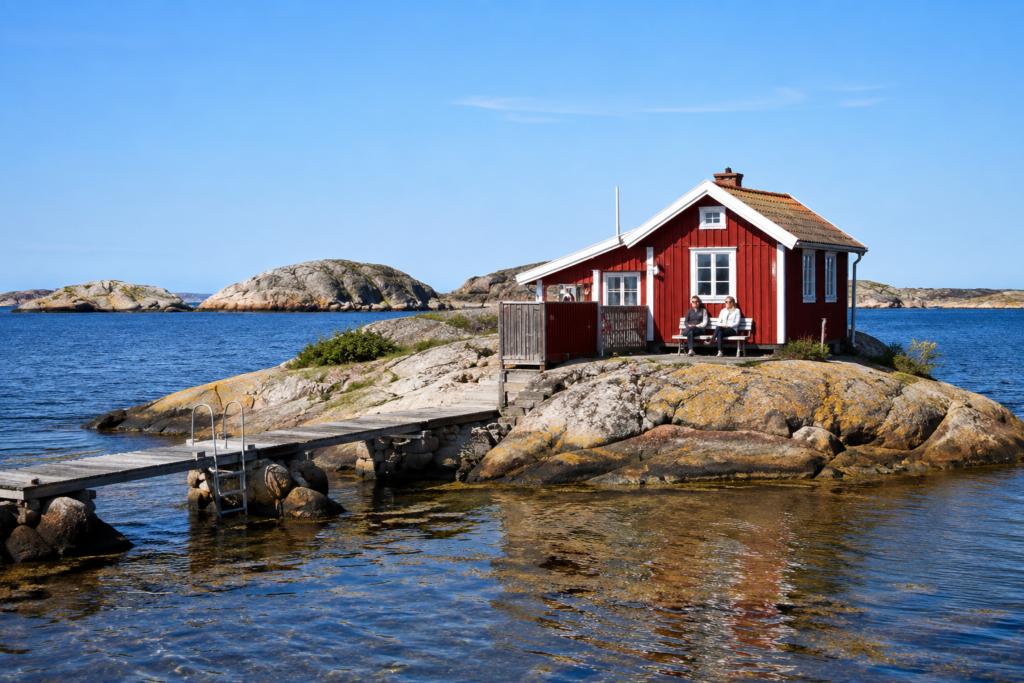
Allemansrätten (the right of public access) is a Swedish legal principle giving every person — citizen or visitor — the right to access nature, regardless of who owns the land. In practical terms for Gothenburg visitors, this means:
- You can walk, cycle, or ski across private land as long as you don’t damage crops or property.
- You can camp anywhere for one night (two in the same spot at most) without the landowner’s permission, as long as you’re not too close to someone’s house.
- You can pick berries, mushrooms, and wildflowers for personal use.
- You can swim in any lake, river, or coastal water.
- You must leave no trace — no litter, no damage, no fire risk.
For visitors to Gothenburg, this means the archipelago is genuinely accessible. The islands of the Gothenburg archipelago — reachable by ferry from Stenpiren — are subject to allemansrätten, and staying overnight on an island without paying for accommodation is entirely legal (and common among Swedes in summer). The ferry ticket is your only cost.
Free Architecture Walking Route
Gothenburg’s architectural history is legible from the street without paying any entry fees. The route below traces the city’s architectural development from the 17th to the 20th century in physical sequence:
- Kronhuset (1654): The oldest building in Gothenburg — a plain, functional military storehouse in brick, representing the city’s earliest architectural character.
- Canal-side merchant facades (18th century): The grand baroque and classical buildings south of the Stora Hamnkanalen, built by East India Company wealth.
- Feskekörka (1874): Gothic Revival fish market, visible from the Rosenlundskanalen bridge.
- Landshövdingehus in Haga (late 19th century): The distinctive stone-and-wood hybrid buildings of the dockworker neighborhood — a building type found almost exclusively in Gothenburg.
- Götaplatsen cultural complex (1923): The Museum of Art and surrounding buildings — classical revival with Nordic decorative elements.
- Masthuggskyrkan (1914): National Romantic, visible on the hill between Haga and Linné.
- Gothenburg Opera House (1994): The ship-shaped contemporary building on the Göta Älv waterfront, nicknamed “Box of Singers.”
Common Mistakes When Trying to Do Gothenburg on a Budget
| Mistake | The Cost | Better Approach |
|---|---|---|
| Eating every meal in restaurants on Avenyn | SEK 200–400 per meal | Use the dagens lunch (daily lunch special) at traditional Swedish restaurants: SEK 130–160 including coffee |
| Buying bottled water constantly | Adds up fast | Swedish tap water is excellent — carry a refillable bottle |
| Taking taxis between nearby sights | SEK 100–200 per trip | Gothenburg’s historic center is walkable; the tram covers everything else for SEK 35–40 |
| Paying for a guided tour when a self-guided walk covers the same ground | €20–40 per person | The TouringBee Gothenburg audio guide covers the same route at ~€10 with full offline functionality |
| Skipping Slottsskogen because “it’s just a park” | Missing one of the best free half-days in the city | Build it into day one or two — the free zoo alone is worth the walk |
| Not using the Gothenburg City Card if visiting multiple museums | Paying full admission at each museum | The City Card covers multiple museums and unlimited tram travel — calculate before buying |
Practical Tips for Visiting Gothenburg on a Budget
- Use the tram, not taxis. Gothenburg’s tram network is extensive, reliable, and cheap. A day pass costs around SEK 120 and covers unlimited travel across the city. Individual trips are SEK 35–40 with a card (cash not accepted on trams).
- Shop at ICA or Coop for breakfasts and picnic lunches. Both supermarket chains have branches near the city center. Swedish supermarket food quality is high — crispbread, cheese, smoked salmon, and local yoghurt from a supermarket is a better breakfast than a café at a quarter of the price.
- Eat lunch at traditional Swedish restaurants. The dagens lunch (daily lunch special) at most Swedish restaurants is SEK 130–160 and includes bread, salad, a main, and coffee. This is the best food-value meal in Sweden.
- The fika is worth the money. At SEK 50–80 for a coffee and a bun, fika in Haga is one of the best-value cultural experiences in an expensive country. Don’t skip it trying to save money — it’s cheap by Swedish standards and high-value by any measure.
- Many museums are free for under-18s. If you’re traveling with children, check before paying — Gothenburg’s major museums typically offer free entry for children, and the age limit is often generous (sometimes under-20 is free).
- Accommodation is the biggest cost — book it smart. Hotel prices swing widely by season and district; staying near a tram stop outside the center is often half the price of Avenyn. Compare options early — find a place to stay in Gothenburg before the summer weekends fill up.
- The archipelago is free to visit; you only pay the ferry. A return ferry to one of the nearer archipelago islands costs roughly SEK 130–200 and gives you access to Sweden’s right-of-access coastal landscape for a full day.
The Self-Guided Audio Tour as a Budget Tool
A paid walking tour in Gothenburg typically costs €20–40 per person and lasts 1.5–2 hours. The TouringBee Gothenburg City Walking Tour covers the same route at approximately €10, works offline with GPS navigation, lasts 3 hours at a full walking pace, and can be paused and resumed without any time pressure. It’s the budget version of a guided walking experience without the compromises in content or quality — and for most visitors, it provides more context per euro than any of the alternative options.
You can read more about how self-guided walking tours work in practice at Self-Guided City Walking Tours That Work.
Frequently Asked Questions
What can you do for free in Gothenburg?
Quite a lot: walk the canal district, climb to Skansen Kronan for the best city view, explore Haga’s architecture, walk through Slottsskogen (including the free zoo), see the Artscape street art trail, visit the Gothenburg Cathedral, explore the Feskekörka market hall, walk the Göta Älv waterfront, and spend time at Götaplatsen. A full walking day in Gothenburg’s historic center can cost nothing in entry fees.
Is Gothenburg expensive compared to other Scandinavian cities?
Gothenburg is generally somewhat cheaper than Stockholm but similar to Copenhagen and Oslo. The biggest costs are accommodation, restaurant meals, and alcohol. Entry fees for museums are moderate by European standards. The free experiences — parks, walking, street life, architecture — are genuinely free and genuinely good, making Gothenburg more accessible on a tight budget than Stockholm.
Is Slottsskogen zoo really free?
Yes. The Naturum free zoo within Slottsskogen park has no entry fee. It includes moose, reindeer, flamingos, seals, and farm animals. The park itself is also free. The Natural History Museum adjacent to the park charges a small fee (~SEK 60) but the zoo does not.
Can I visit the Feskekörka for free?
The fish market interior has no entry fee — you pay for what you buy, not for walking in. The building is open for browsing Tuesday through Saturday, closing around 3pm. The exterior is accessible at any time from the canal bridge opposite.
What is allemansrätten and how does it benefit visitors?
Allemansrätten (the right of public access) is a Swedish law giving every person — including foreign visitors — the right to access nature regardless of land ownership. For Gothenburg visitors, this means you can walk, cycle, or camp in Swedish natural areas, pick berries and mushrooms, and swim in any lake or coastal water, as long as you respect the land and leave no trace. The Gothenburg archipelago is fully covered by this right.
Is there a free walking tour of Gothenburg?
Free guided walking tours (tip-based) occasionally operate from Gustaf Adolfs Torg during summer. These are informal, tip-expected, and cover the main sights in 1.5–2 hours. For a self-paced alternative with more depth, the TouringBee Gothenburg City Walking Tour costs around €10–15 and covers the same route with 29 audio stops at your own pace.
Guided Tours & Experiences
If you want to add one or two paid experiences to a mostly-free visit, these give the best value per krona:
- Gothenburg: Paddan City Canal Sightseeing Cruise — the classic 50-minute canal boat under 20 bridges.
- Gothenburg: 24-Hour Hop-On Hop-Off Bus and Boat — bus and boat combined, useful on a rainy day.
- Gothenburg: Go City All-Inclusive Pass — worth calculating if you plan several museums.
Continue Exploring
- Gothenburg: What to See — the full overview including both free and paid experiences
- One Day in Gothenburg: The Perfect Itinerary — how to compress the best of the city into a single day
- How to Travel Really Cheap — broader budget strategies that work across Scandinavian cities
- Affordable Travel Experiences That Feel Rich — how to get maximum value from modest spending
- Visiting Stockholm, Copenhagen, or Oslo on a budget? TouringBee’s audio guides for Stockholm, Copenhagen, and Oslo are the most cost-effective way to get genuine guided-tour content in each city.
Some links in this article are affiliate links (GetYourGuide, Booking.com). If you book through them, the price for you stays exactly the same — but it helps support TouringBee’s free travel guides.