
No products in the cart.

Affordable Travel Experiences That Feel Rich
Affordable travel experiences can still feel rich, flexible, and memorable. Learn how to spend less while seeing more on your own schedule.
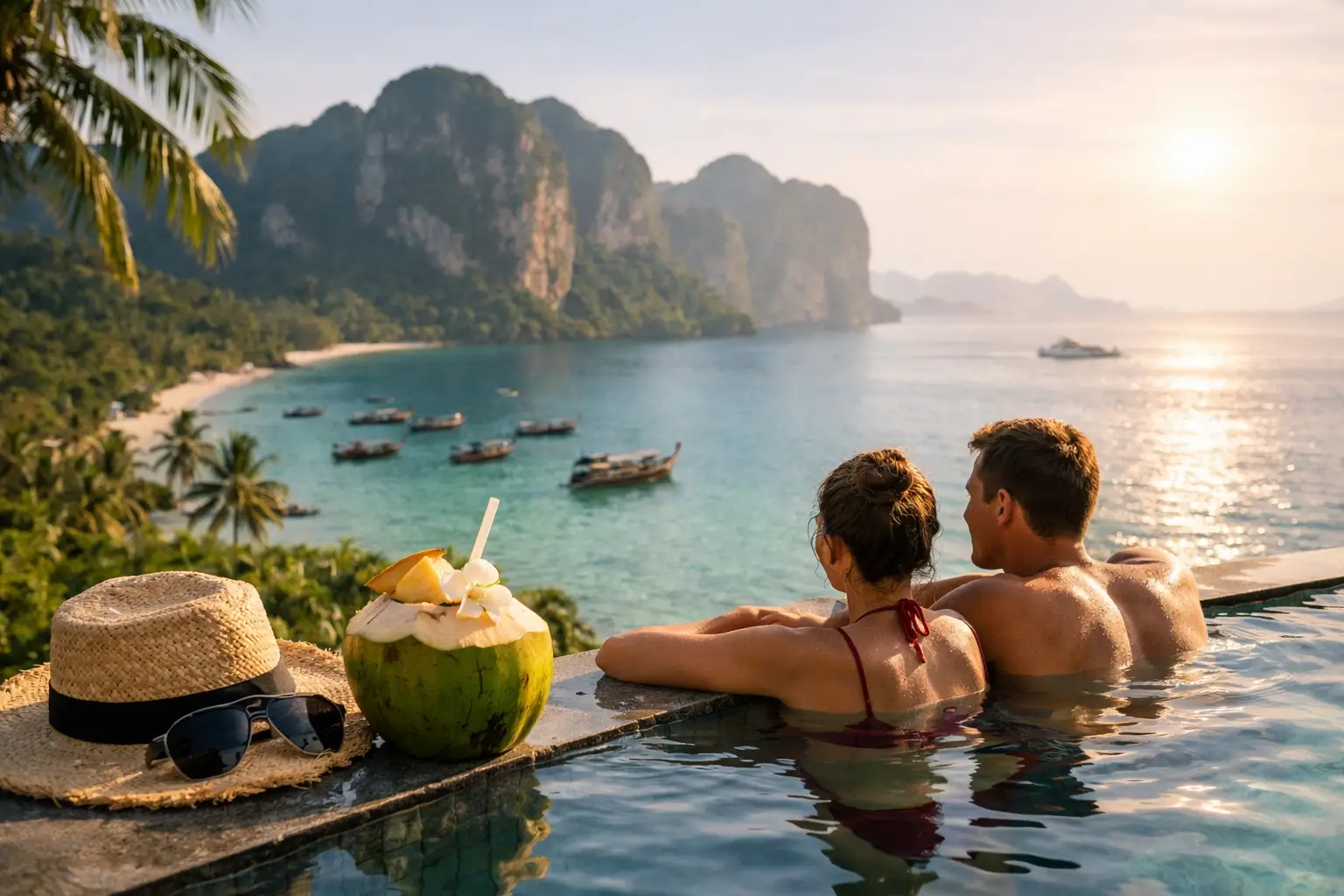
You do not need a luxury budget to come home with stories worth telling. Some of the best affordable travel experiences come from small choices that make a trip feel easier, more personal, and more memorable – not more expensive.
That matters even more in cities, where costs stack up fast. A coffee here, a taxi there, one overpriced group tour, and suddenly your “budget trip” is not feeling very budget-friendly. The good news is that saving money does not have to mean settling for bland sightseeing or skipping the parts of travel you were excited about in the first place.
What affordable travel experiences actually look like
Affordable does not mean bare-bones. It usually means spending with intention.
A good trip budget is less about chasing the absolute lowest price and more about getting strong value from every part of the day. That could mean staying a little farther from the city center if the transit is simple. It could mean choosing one great museum instead of three rushed ones. It could also mean swapping a large guided excursion for a self-paced audio tour that gives you stories, navigation, and freedom for about the price of a light meal.
The difference is important. Cheap travel often feels restrictive. Affordable travel experiences feel smart. You still get culture, atmosphere, and discovery, but without paying for things you do not really need.
Why flexibility saves money
One of the easiest ways to overspend on a trip is to lock yourself into rigid plans.
When your day is built around fixed departure times, printed tickets, and long transit jumps between attractions, you spend more just to keep up. You grab the expensive lunch because there is no time to look around. You take a cab because missing a tour slot feels like wasting money. You pay extra for convenience because your schedule stopped being convenient.
Flexible sightseeing changes that.
When you can start when you want, pause when you want, and change course without losing the whole day, your trip gets cheaper almost by accident. You can walk more, linger in neighborhoods you like, and skip what is not interesting to you. That freedom is not just comfortable – it is cost-efficient.
This is where self-guided travel tools make a real difference. A well-made audio guide can turn a simple walk into a personal tour, with expert storytelling and practical route support on your phone. You get context without gathering around a flag, and you keep control of your time.
Affordable travel experiences in cities start with better pacing
Many travelers try to “make the most” of a city by doing too much. Ironically, that often leads to more spending and less enjoyment.
A packed itinerary creates gaps you then fill with convenience purchases. Extra transit. Last-minute snacks. Entry fees for places you barely see. If you slow the pace slightly, you usually notice more and spend less.
A better approach is to build each day around one anchor experience. That might be a historic district walk, a major museum, or a landmark area you want to understand properly. Then let the rest of the day form around it.
For example, a two-hour self-guided route through an old town can naturally lead to a local bakery, a quiet square, and a museum stop if you are still in the mood. You are not paying for constant entertainment. The city itself starts doing more of the work.
Where travelers often overspend without realizing it
Most budget mistakes do not happen in the big purchases. They happen in the in-between moments.
Transportation is a common one. Cities often reward walkers, but tired travelers tend to default to taxis or rideshares after a long day. Choosing accommodations with easy transit access helps, but so does planning sightseeing in clusters instead of zigzagging across town.
Food is another sneaky category. There is nothing wrong with one splurge dinner, but three convenience meals a day can quietly cost more than your major attraction tickets. A grocery stop, a market lunch, or simply having enough flexibility to eat when you are hungry rather than when a tour allows can make a visible difference.
Then there is the price of rushed decision-making. Last-minute bookings, panic buys, and paying at the door for whatever is nearby usually cost more than selecting a few quality experiences in advance. Affordable travel experiences tend to come from light planning, not no planning.
How to spend less without making the trip feel smaller
The trick is to pay for depth, not volume.
Travel feels richest when you understand what you are seeing. A beautiful building is nice. Knowing why it mattered, who lived there, or what happened on that street is what turns a walk into a memory. That is why cutting every paid experience is not always the smartest budget move.
Instead, choose low-cost tools that add meaning. A thoughtfully produced audio guide, for example, can give structure to a city visit without the price or rigidity of a live group tour. It is especially useful for solo travelers, couples, and anyone who wants the comfort of guidance while keeping their own pace.
That balance matters. If you remove too much from a trip in the name of savings, the destination can start to blur. But if you add one or two well-chosen experiences that explain the place, the whole trip tends to feel fuller.
A practical formula for affordable travel experiences
If you want a trip that feels easy on your wallet and still satisfying, use a simple mix: walkable areas, one paid highlight per day, and flexible guidance.
Walkable areas reduce transportation costs and often reveal more than checklist sightseeing. One paid highlight gives the day shape and keeps spending under control. Flexible guidance helps you get the story behind the place without forcing you into someone else’s timetable.
This works particularly well in historic cities and museum-heavy destinations. You may not need multiple live tours when one strong self-guided experience can orient you, help with navigation, and point out details you would otherwise miss. TouringBee, for example, is built around that exact idea – expert-led stories and route guidance on your phone, without the pressure of a group schedule.
It is not the right fit for every moment. If you want deep access to a restricted site or a highly specialized subject, a live guide may be worth the higher price. But for many city walks, neighborhoods, and general cultural visits, self-paced touring hits a sweet spot between cost and quality.
When “cheap” stops being worth it
There is a line where saving money starts creating stress.
An inconvenient hotel that adds an hour of transit each day may not be a bargain. A free attraction you do not care about is not really free if it costs your time and energy. A packed day with zero breathing room can make even a beautiful destination feel like work.
Affordable travel experiences should still feel comfortable. They should help you see more with less friction. That might mean paying a few dollars more for a route that works offline, or for a sightseeing format that lets you stop for coffee, take photos, and wander into a church or bookstore without falling behind.
Budget-conscious travel works best when it protects the parts of the trip that matter most to you.
The best souvenirs are usually not things
Travelers often remember the moments that cost very little: hearing church bells in a narrow street, learning the hidden story behind a monument, finding a viewpoint by accident, sitting in a park after a museum visit and realizing you finally understand the city around you.
Those moments are easier to find when your trip is not overloaded or overpriced. You notice more when you are not rushing. You enjoy more when every hour is not tied to a ticket. And you spend more wisely when you choose experiences that fit your pace instead of forcing yourself into someone else’s.
That is the real appeal of affordable travel experiences. They leave room for spontaneity, comfort, and curiosity – the things that make a trip feel like your own.
If you are planning your next city break, do not ask how to spend the least. Ask how to get the most meaning, ease, and freedom from what you do spend. That is usually where the best days begin.
More Affordable Travel Experiences That Feel Rich
Some of the most memorable travel experiences cost surprisingly little. Here are a few ideas that combine culture, history, and local atmosphere without stretching your budget.
Explore a Museum with an Audio Guide
Instead of joining an expensive group tour, explore at your own pace with a self-guided audio tour. You’ll often spend less while enjoying more flexibility. Popular choices include the Louvre, the Musée d’Orsay,the Vatican Museums, and Milan Cathedral.
Take a Themed Walking Tour
Cities often reveal their personality through themed walks rather than famous landmarks alone. Follow Harry Potter filming locations in London, discover Porto through the world of Harry Potter and J.K. Rowling, or wander the artistic streets of Montmartre while learning the stories behind its cafés, painters, and cabarets.
Visit a Local Food Market
Skip tourist restaurants for lunch and head to a neighborhood food market instead. Fresh produce, regional cheeses, pastries, and local specialties often provide one of the most authentic meals of your trip for a fraction of the price.
Watch the City Wake Up
Some of the best moments happen before the crowds arrive. Walk through historic streets early in the morning, visit a quiet square, or enjoy sunrise from a scenic viewpoint. These experiences are completely free yet often become travelers’ favorite memories.
Choose One Great Museum Instead of Three
Many travelers try to fit too much into a single day. Slowing down and fully enjoying one outstanding museum often creates a richer experience than rushing through several attractions just to tick them off a list.
Frequently Asked Questions
Can budget travel still feel luxurious?
Absolutely. Luxury isn’t always about expensive hotels or fine dining. Many travelers remember peaceful walks, beautiful museums, local cafés, and unforgettable views long after they’ve forgotten how much they spent.
What are the best affordable cultural experiences?
Museums, historic neighborhoods, local markets, scenic viewpoints, and self-guided walking tours are among the best ways to experience a destination without spending a fortune.
Are self-guided audio tours worth it?
For many independent travelers, yes. They combine the freedom of exploring on your own with expert storytelling, often at a fraction of the cost of a private guided tour.
How can I make a museum visit more memorable?
Rather than trying to see everything, choose a few highlights and learn the stories behind them. A good audio guide can help you notice details that are easy to miss on your own.
What are some affordable experiences in Europe?
Some of our favorites include exploring the Louvre with an audio guide, visiting the Musée d’Orsay, walking through Montmartre, discovering the Vatican Museums, planning a visit to Notre-Dame de Paris, following a Harry Potter trail in London, exploring Porto through its literary history, or simply wandering a beautiful old city with a self-guided walking tour.
Is it better to spend money on experiences or souvenirs?
Many travelers find that meaningful experiences create longer-lasting memories than physical souvenirs. A memorable museum visit, a beautiful walk through a historic neighborhood, or discovering the story behind a famous landmark often becomes the highlight of a trip.