
No products in the cart.

Best Self Guided Walking Tours City of London
Plan better self guided walking tours City of London with smart routes, timing tips, must-see stops, and easy ways to explore at your own pace.
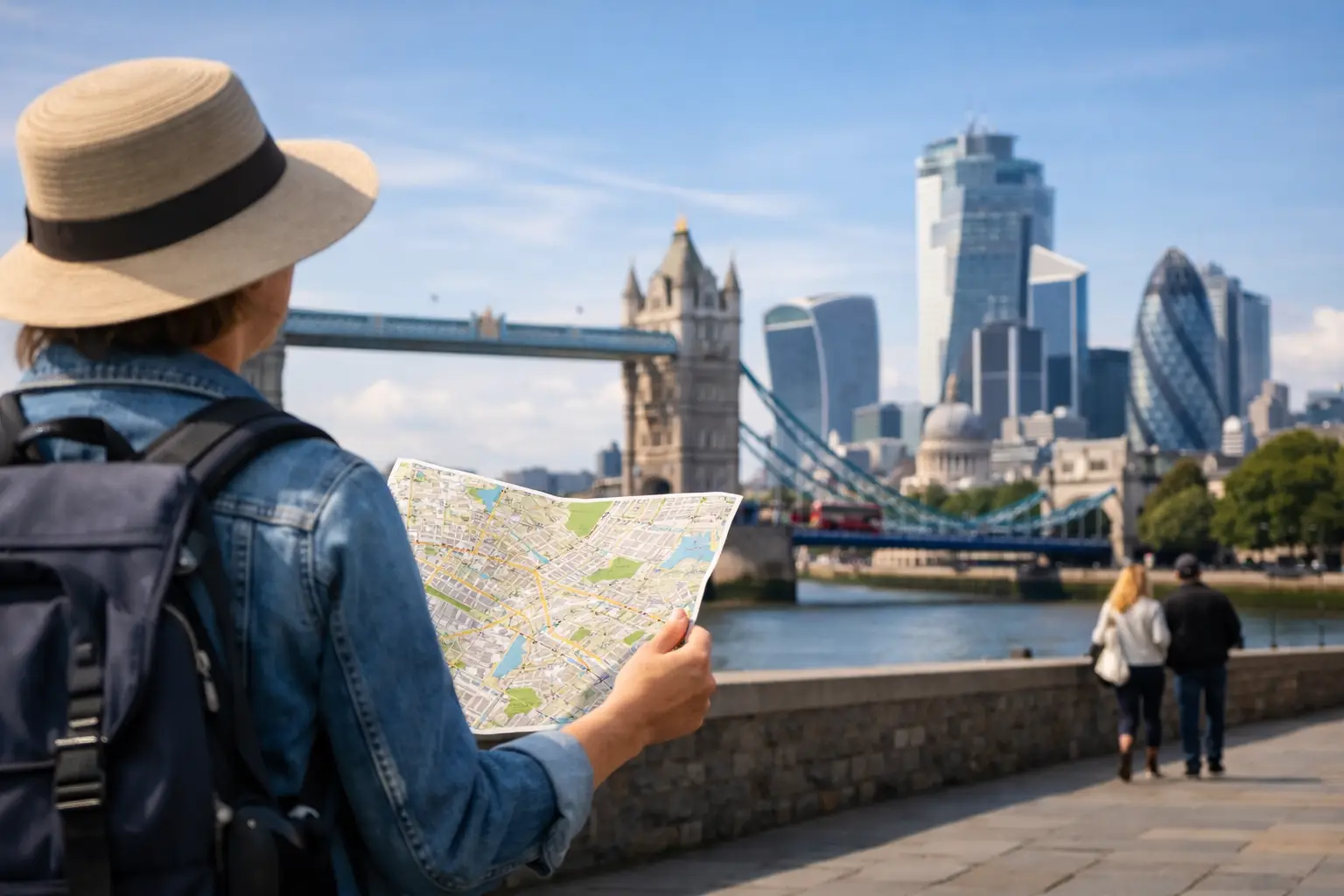
If you only have a day in central London, the difference between a good walk and a frustrating one usually comes down to this: knowing which part of London you mean. The self guided walking tours City of London travelers enjoy most are not about covering every famous sight on foot. They work because the route stays focused on the oldest square mile, where Roman walls, medieval lanes, grand churches, and glass towers all sit surprisingly close together.
That makes the City of London one of the best places in the capital for independent sightseeing. You can see a lot without spending half the day on transport, and the area rewards travelers who like to pause, look up, and follow a story rather than a checklist. If you want flexibility, lower costs, and the freedom to stop for coffee or a museum whenever you feel like it, a self-guided walk is a very smart way to do it.
Why self guided walking tours in the City of London work so well
The City is compact, but it does not feel small. One minute you are standing near traces of Roman London, and a few streets later you are beneath the dome of St. Paul’s or walking past polished office towers. That contrast is what makes the area so satisfying on foot.
A bus can get you across it quickly, but speed is not really the point here. The appeal is in the details – alley names, churchyards tucked behind busy streets, market corners, and old stone buildings that are easy to miss if you are rushing. A self-guided tour lets you catch those details without trying to keep up with a group.
There is also the practical side. The City can feel busy on weekdays, especially around Bank, Liverpool Street, and St. Paul’s. With your own route, you can start early, walk later in the afternoon, or take breaks when the streets feel crowded. That freedom matters more here than many first-time visitors expect.
What to look for in self guided walking tours City of London
Not every self-guided route is equally useful. Some look good on a map but jump too far between stops. Others overload the walk with every possible landmark, which sounds efficient but often becomes tiring by stop seven or eight.
A good City of London route should have a clear theme or a sensible geographic flow. It might focus on the historic core around St. Paul’s and the old lanes, or it might connect legal London, financial London, and the Tower area in one longer walk. What matters is that the route feels walkable, not ambitious for the sake of it.
Good navigation also makes a big difference. The City has several streets that twist, narrow passages that are easy to miss, and modern developments that can make orientation harder than expected. An offline map and location-based audio are especially helpful if you do not want to keep stopping to check your phone.
The best tours also balance stories with practical guidance. History is the reason many people come here, but too much detail can slow the experience down. You want enough context to understand why a place matters, plus clear directions so the walk keeps moving.
The landmarks that deserve a place on your route
You do not need to include everything, but a satisfying first walk through the City usually includes a few anchors. St. Paul’s Cathedral is an obvious one, not just because of its scale but because the surrounding streets give you some of the strongest old-meets-new London views.
The Bank area is another key stop. This is where the City’s financial identity becomes easiest to read, with the Bank of England, Royal Exchange, and Mansion House all close together. It can feel formal at first glance, but the stories behind the institutions make the area more interesting than many travelers expect.
Leadenhall Market adds a different mood. It is elegant, covered, and easy to enjoy even if you are not stopping to eat. Nearby, you can shift toward the Sky Garden area, Fenchurch Street, or continue east in the direction of the Tower of London if you want your walk to end with one of London’s biggest landmarks.
Smaller stops often make the route memorable. Postman’s Park, the Church of St. Bartholomew the Great, bits of the London Wall, and quiet lanes like Watling Street or Bow Lane can give the walk texture. These are the places where independent travelers tend to feel they have found something, rather than just visited something.
How long should your walk be?
For most travelers, 2 to 3 hours is the sweet spot for a City walk. That is long enough to feel immersed but short enough to stay comfortable. If you add cathedral visits, museums, lunch, or plenty of photo stops, that can easily turn into half a day.
There is a temptation to plan a full-day route covering the City, South Bank, and Westminster in one go. That can work if you enjoy long urban walks, but it changes the experience. Instead of noticing the City’s layers, you may end up just moving between headline attractions.
If this is your first visit, a shorter, denser route is usually better. You can always add another neighborhood later. London rewards travelers who keep some energy in reserve.
Best times to walk the City of London
Timing changes the mood of the walk. Weekday mornings show the City at full working pace. If you like seeing London as a living financial district, that energy can be part of the appeal. Cafes are open, the streets feel active, and the contrast between business life and historic buildings is very clear.
If you want a quieter experience, aim for early morning on a weekend or late afternoon after the office rush. Some areas can feel almost unexpectedly calm, especially around smaller churches and side streets. That calm makes it easier to linger and take photos.
Weather matters too, but not as much as people think. London light can be beautiful on cloudy days, and the City often looks especially atmospheric when the sky is gray. The real issue is comfort. Wear shoes that can handle uneven paving and bring a light waterproof layer if the forecast looks uncertain.
Self-guided vs group tours in the City
Group tours can be excellent if you want a live guide, easy social interaction, and the chance to ask spontaneous questions. They are often a good choice for travelers who prefer structure and do not want to make any decisions on the day.
But the trade-off is pace. In the City of London, pace matters. You may want extra time in a churchyard, a quick bakery stop, or ten minutes to look around Leadenhall Market without feeling hurried. A self-guided tour gives you that control.
Cost is another factor. For many travelers, paying roughly the price of a light meal for a professionally narrated audio guide makes more sense than booking a higher-priced group experience, especially if you are traveling as a couple or family. You still get expert storytelling, but on your schedule.
That is why mobile audio tours fit the City so well. A good one acts like a personal tour in your pocket – easy to start, easy to pause, and simple to follow even if you decide to detour for lunch or step inside a museum. TouringBee, for example, is built around exactly that kind of flexible sightseeing.
Simple tips for a better self-guided walk
Start with one clear route, not three backup plans. The City is easy to overplan because there is so much packed into a small area. In practice, one well-chosen route is more relaxing and usually more memorable.
Download your map and audio before you head out. Even in a major capital, offline access is a real convenience, especially for international travelers managing data or battery life.
Build in one intentional stop that is not a landmark. That could be a coffee break, a market snack, or a quiet bench in a churchyard. A walk feels less like a task and more like travel when there is room to simply be there.
Finally, give yourself permission to skip things. You do not need every church, every viewpoint, and every famous building in one outing. The best self-guided tours leave space for curiosity.
A smart way to see old London
The City of London is one of those rare places where independence genuinely improves the experience. The streets are compact enough to manage easily, layered enough to keep you interested, and full of moments that are better enjoyed without a fixed group timetable. If you choose a route with strong storytelling, simple navigation, and room to move at your own pace, your walk will feel less like ticking off sights and more like getting to know London properly.
Pick a route that fits your energy, start a little earlier than you think you need to, and let the old streets do the rest.