
No products in the cart.

Best New York City Self Guided Walking Tours
Find the best new york city self guided walking tours for flexible sightseeing, local stories, offline maps, and easy routes at your own pace.
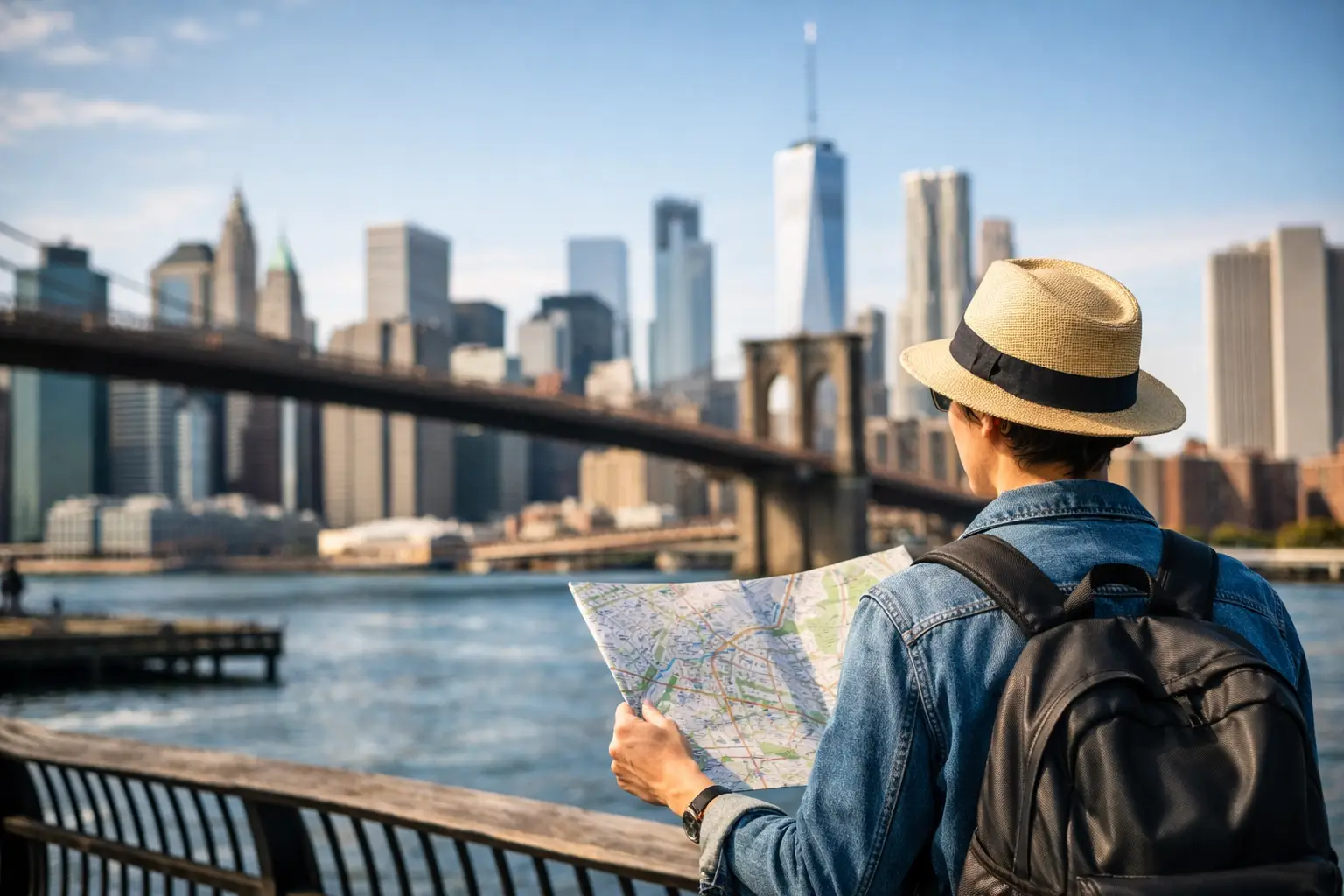
You can spend half a day in New York just deciding where to start. Uptown or downtown? Skyline views or brownstone blocks? Famous landmarks or the kind of streets that make you feel like you found your own version of the city? That is exactly why new york city self guided walking tours work so well. They give structure without taking away the best part of being here – the freedom to wander.
For many travelers, New York is too big for a rigid plan and too packed with history to wing it completely. A good self-guided walk sits in the middle. You get a clear route, stories that make the streets feel alive, and the option to pause for coffee, step into a museum, or spend twenty extra minutes in a park because the light is perfect. No group to keep up with. No guide flag disappearing into the crowd.
Why new york city self guided walking tours make sense
New York is one of the easiest cities in the world to explore on foot, but it is not always the easiest to understand on foot. You can walk past City Hall, a churchyard, an old immigration site, and a sleek luxury tower in the same ten minutes without realizing how those places connect. That is where a self-guided tour earns its place.
The biggest advantage is flexibility. You choose the start time, the pace, and how much of the route you actually want to complete. If you only have two hours before dinner, you can do a compact downtown route. If you want to turn a neighborhood walk into an all-day outing, you can. This matters in New York, where weather changes fast, lines can be unpredictable, and one great bagel shop can delay your whole schedule in the best possible way.
There is also a cost benefit. Group tours in New York can add up quickly, especially for couples or families. A self-guided audio tour usually costs about as much as a casual lunch and gives you several hours of curated sightseeing. For travelers trying to balance Broadway tickets, museum admissions, and hotel prices, that difference is not small.
Then there is comfort. Some people love chatting with a live guide and a dozen strangers. Others would rather keep their morning quiet, wear headphones, and take in the city without side conversations and stop-start group logistics. Neither style is wrong. It depends on how you like to travel. But if your ideal city day feels independent, practical, and a little spontaneous, self-guided is often the better fit.
What makes a great self-guided walk in New York City
Not every walking route deserves your time. The best new york city self guided walking tours do more than string together landmarks. They help you understand why a block matters and how one stop leads naturally to the next.
A strong route starts with geography. New York can be tiring if a tour asks you to zigzag without reason or cover too much ground in one stretch. The best walks feel intuitive. Downtown routes should build around a compact cluster of historic sites. A Central Park walk should flow with the park rather than treat it like a checklist. In neighborhoods like Greenwich Village or SoHo, the route should let you enjoy the atmosphere instead of rushing to the next point.
Good storytelling matters just as much. Facts alone do not hold attention for long when taxis are honking and food smells are coming from every corner. What works better is context. Why was this street important? Who lived here? What changed after a fire, a protest, an immigration wave, or a building boom? That kind of storytelling turns a walk into an experience rather than a commute between photo spots.
Practical navigation is another detail travelers notice immediately. In a city with layered streets, parks, plazas, and subway entrances everywhere, you want simple directions and reliable offline access. That is especially helpful for international visitors who do not want to depend on mobile data all day.
The best neighborhoods for self-guided walking
If you are choosing just one area, lower Manhattan is the easiest place to start. It packs in early New York history, major landmarks, waterfront views, and a real sense of contrast between old and new. You can move from colonial-era sites to the Financial District and then toward the harbor in a relatively compact route. It is ideal if you want the feeling of seeing a lot without spending half the day in transit.
Midtown works better if your priority is famous sights. This is where many first-time visitors want to be, and for good reason. The architecture is dramatic, the energy is nonstop, and landmarks arrive one after another. The trade-off is that Midtown can feel crowded and commercial, so the quality of the narration matters more here. A strong tour helps separate what is truly interesting from what is simply well known.
Greenwich Village is often the favorite for travelers who want New York with personality. The streets are less predictable, the scale is more human, and the stories tend to be rich – artists, activists, musicians, writers, and social change all leave their mark here. This area is especially good for couples, solo travelers, and repeat visitors who want something less obvious than a standard landmark route.
Central Park is a smart choice when you want sightseeing without constant traffic noise. It is spacious, photogenic, and surprisingly layered in history and design. A self-guided walk works well here because you can stop whenever you want, sit when you need a break, and combine the route with a museum visit or picnic.
Brooklyn also deserves a place on the list, especially if you want skyline views with neighborhood character. A route that includes Brooklyn Heights, the waterfront, or the approach to the Brooklyn Bridge can feel cinematic without being overly demanding.
Who benefits most from a self-guided audio tour
This format is especially good for travelers who like having a plan but do not want to be managed. If that sounds like you, an audio tour is a practical middle ground. You are not left figuring everything out from scratch, but you are also not committed to a fixed group time or someone else’s pace.
It works well for solo travelers because it adds context and structure without taking away independence. It is also great for couples because nobody has to play full-time navigator. Families can benefit too, though route length matters. A three-hour historic walk may suit older kids, while younger children usually do better with shorter, more flexible sections and nearby snack stops.
For international visitors, offline maps and location-based playback can make a big difference. New York is easy to enjoy when the logistics feel simple. It becomes much less fun when you are juggling roaming charges, battery anxiety, and unclear directions.
How to choose the right tour for your trip
Start with your energy level, not just your wish list. That sounds obvious, but it is where many people get New York wrong. After a flight, subway rides, and time zone adjustments, a route that looks short on a map can still feel long. If this is your first day in the city, choose a walk with plenty of places to sit, eat, and pause.
Next, think about what you actually want from the day. If you are chasing classic views and bucket-list landmarks, pick a route that stays focused on major sights. If you care more about local texture and stories, choose a neighborhood-based walk. The best option is not the one with the most stops. It is the one that matches your mood and the kind of memories you want to bring home.
It also helps to look for tours built by people who understand both history and movement. In a city like New York, content and route design need to work together. TouringBee, for example, leans into that balance with audio tours that combine local storytelling, clear navigation, and offline convenience so travelers can sightsee in their own pace without overcomplicating the day.
A few trade-offs worth knowing
Self-guided does not mean perfect for every situation. If you love asking questions in real time or want deep back-and-forth conversation, a live guide still offers something different. The human energy of a great in-person guide can be memorable.
There is also the matter of discipline. With a self-guided walk, you need to charge your phone, bring headphones, and pay a little attention to where you are going. That is not difficult, but it is part of the experience. The upside is that the trade usually feels worth it because you gain freedom, lower cost, and the ability to shape the day around your own interests.
Making the most of your walk
Wear better shoes than you think you need. New York blocks add up fast, and even easy routes involve more standing than many travelers expect. Download everything in advance, carry water, and leave room in the day for detours. Some of the best moments in this city happen between planned stops – a bookstore you did not expect, a jazz trio in the park, a side street that suddenly feels like a movie set.
That is the real appeal of a good self-guided tour in New York. It helps you notice more without boxing you in. You are still free to change your mind, follow your curiosity, and let the city surprise you, which is usually when New York feels most like New York.