
No products in the cart.

Hidden Gems in Gothenburg: What Most Visitors Miss
Beyond Haga and the canals: genuinely less-visited places in Gothenburg — from the Kronhusbodarna courtyard to the Nordkaparen submarine and the Linné neighborhood.
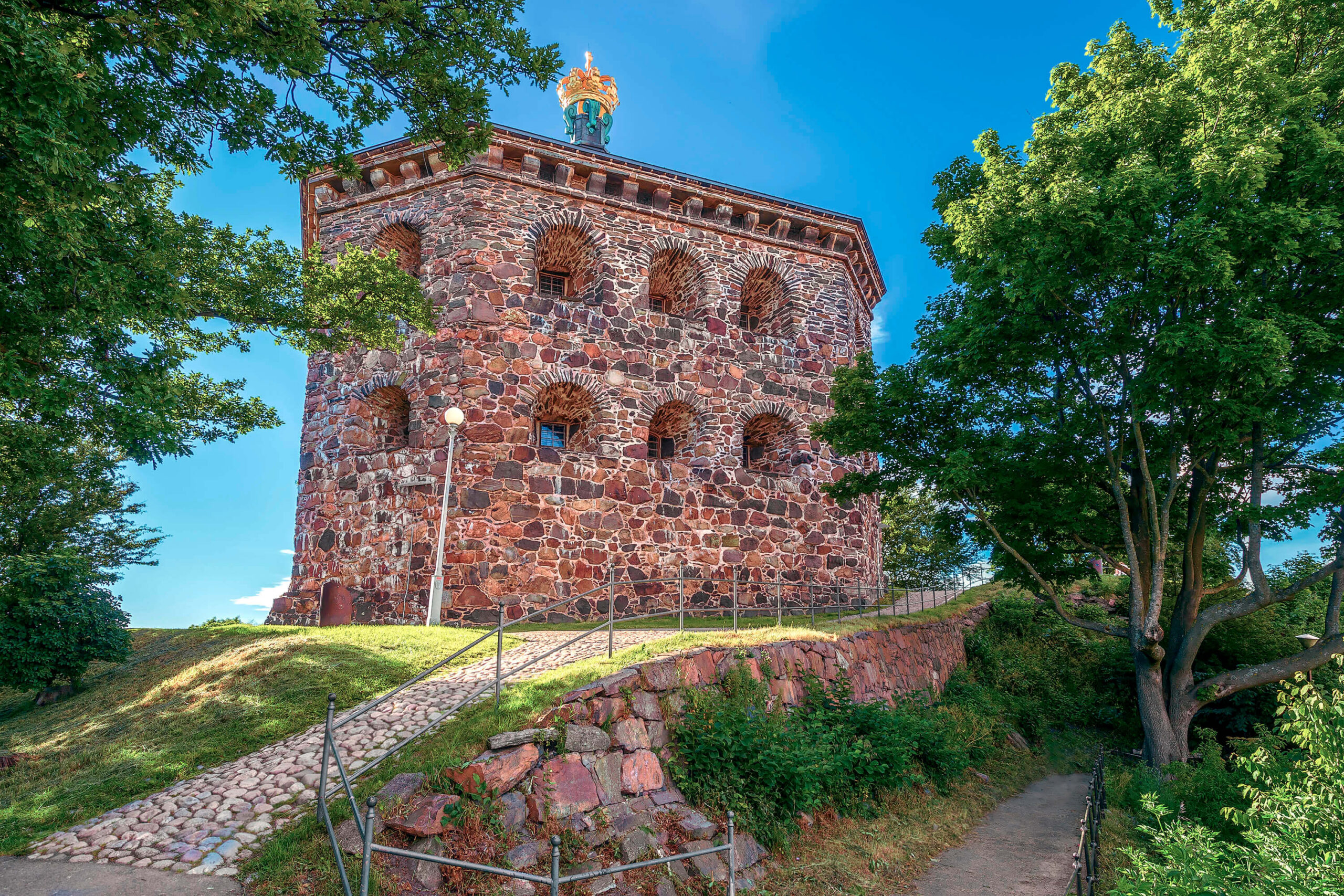
Every city has its obvious list — the landmarks, the main square, the most-photographed view. Gothenburg’s obvious list is good: the canal district, Feskekörka, Haga, the hilltop view from Skansen Kronan. But Gothenburg rewards the visitor who goes slightly off-script, and its less-frequented corners tend to be more distinctive, less crowded, and more representative of how the city actually lives than the front-page attractions.
This guide covers Gothenburg’s hidden gems honestly: not manufactured “secret spots” that appear on every listicle, but genuinely less-visited places, overlooked cultural dimensions, and neighborhood experiences that enrich a visit significantly. Conveniently, several of them sit directly on the route of the TouringBee Gothenburg City Walking Tour, so you can fold them into a normal sightseeing day without any extra planning.
1. Kronhusbodarna — The Courtyard Nobody Enters
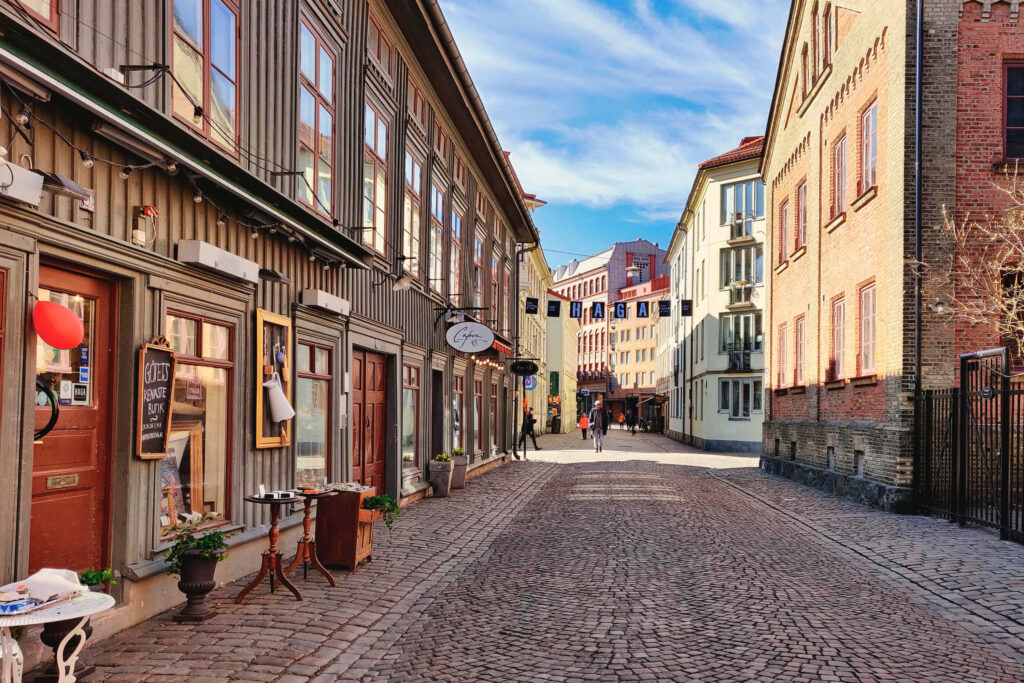
Kronhuset is Gothenburg’s oldest surviving building, constructed in 1654 as an artillery storehouse. What most guides skip is the Kronhusbodarna: the ring of small workshops and craft shops surrounding the Kronhuset courtyard in 18th-century outbuildings. Today they house jewellers, ceramicists, chocolate makers, and specialty food shops in a cobbled courtyard that feels genuinely unhurried.

On weekdays it’s nearly empty. Even on weekends, the crowds that fill Haga Nygata a few streets away barely reach here. The atmosphere is what Haga used to feel like before it became famous: small, quiet, craft-focused, not performing quaintness for visitors. It’s a five-minute detour from the main canal walking route and almost nobody takes it.
2. Skansen Kronan — The Best Free View in the City
Skansen Kronan appears on enough Gothenburg lists that it doesn’t quite qualify as “hidden” — but it’s dramatically undervisited relative to its quality. The 17th-century star-shaped fortress sits on a hill above Haga, and the view from the top encompasses the entire historic center, the Göta Älv, the harbor, and on clear days the beginning of the archipelago beyond.
What makes it a hidden gem in practice: most visitors reach Haga, have their cinnamon bun, walk the main street, and leave. The climb adds perhaps 20 minutes and involves some steps — apparently enough to deter most people. The result is a panoramic viewpoint that’s often nearly empty even when the cafés below are packed. The grounds are always accessible and free.
3. Artscape — Gothenburg’s Street Art Program
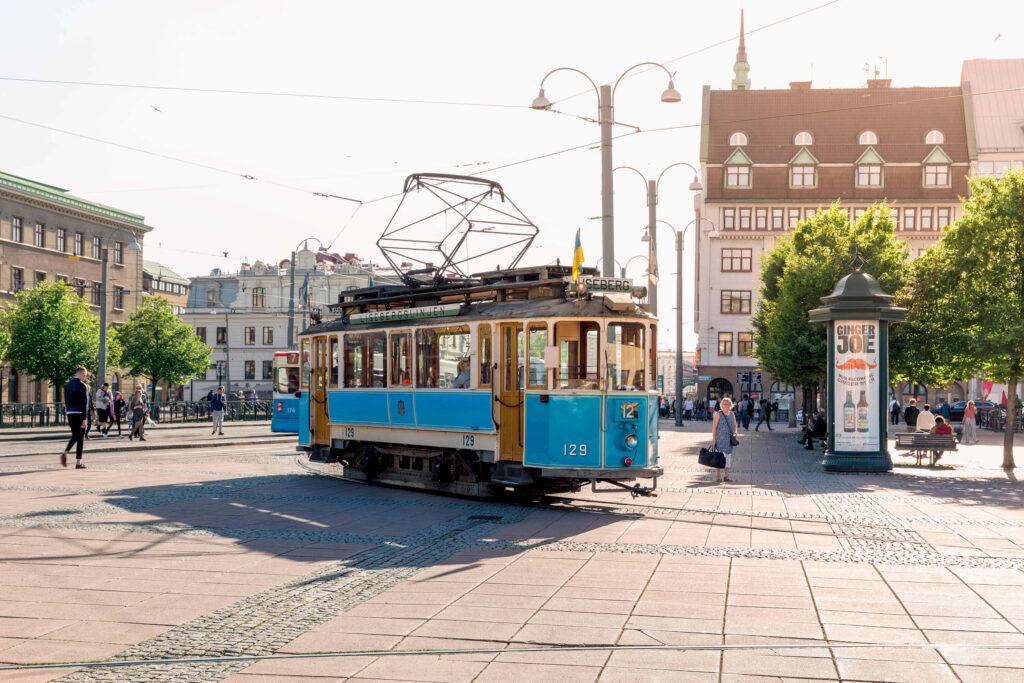
Gothenburg has one of the most developed civic street art programs in Scandinavia, operating under the name Artscape. Started as a formal initiative to bring commissioned murals to the city’s public spaces, it has over two decades produced a substantial body of large-scale work across multiple neighborhoods — particularly in Gamlestaden, Högsbo, and parts of the city center that don’t feature in standard itineraries.

The work ranges from hyperrealist portraits to abstract geometric compositions to narrative murals that engage directly with Gothenburg’s history and identity. The quality is consistently high because the works are commissioned rather than permitted after the fact. Walking the Artscape trail in Gamlestaden takes you into neighborhoods that most tourists never see — functioning residential and light-industrial areas where the art sits on building sides next to dry cleaners and bicycle workshops, without gallery framing.
4. The Gothenburg Metal Scene
Gothenburg has a globally significant musical identity that almost no travel guide mentions: it’s the birthplace of Gothenburg metal, also known as melodic death metal — a genre that emerged in the early 1990s from local bands including At the Gates, In Flames, and Dark Tranquillity, and which influenced heavy music worldwide for the following two decades.
The scene is still active. Venues like Sticky Fingers (one of the oldest independent music venues in Sweden) and Pustervik host gigs regularly, and the city’s rock and metal bar culture — around Järntorget and along the western part of the city — is worth a night’s exploration for any musically-inclined visitor.
5. Slottsskogen’s Quiet Corners
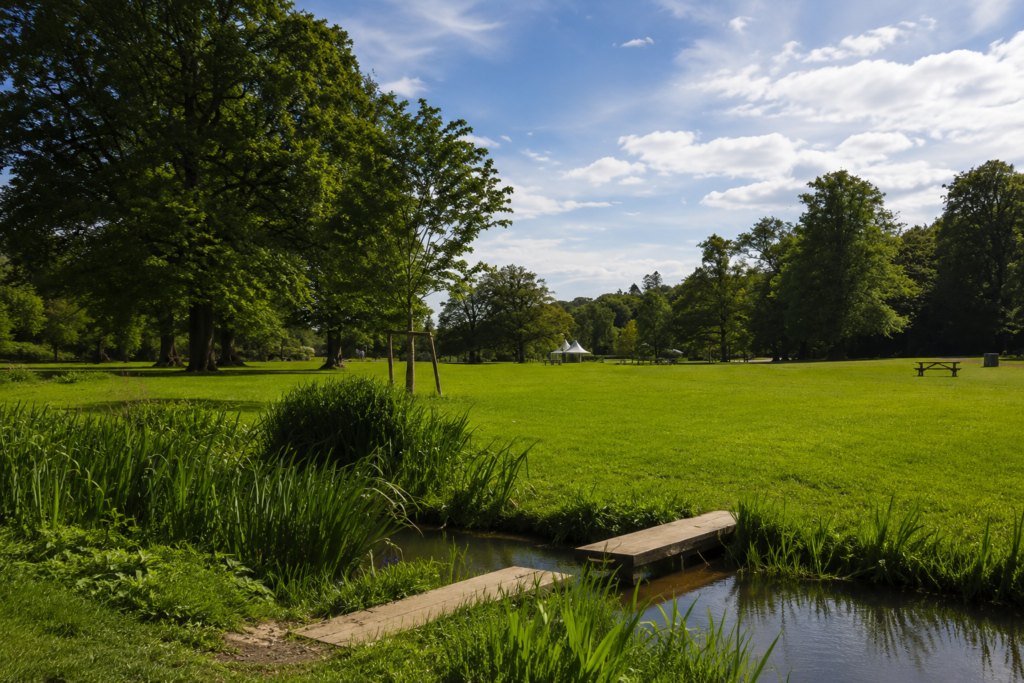
Slottsskogen, Gothenburg’s main city park, covers 137 hectares of forest, meadows, ponds, and open lawn. The free zoo at its eastern edge attracts visitors with children, but the western and northern sections are almost always quiet even on weekends. The pond areas — especially around Rosen Pond in the park’s interior — are places where Gothenburg does what Swedish cities do well: ordinary people reading, sitting, doing nothing in particular in a free public space that feels like it belongs to everyone equally.
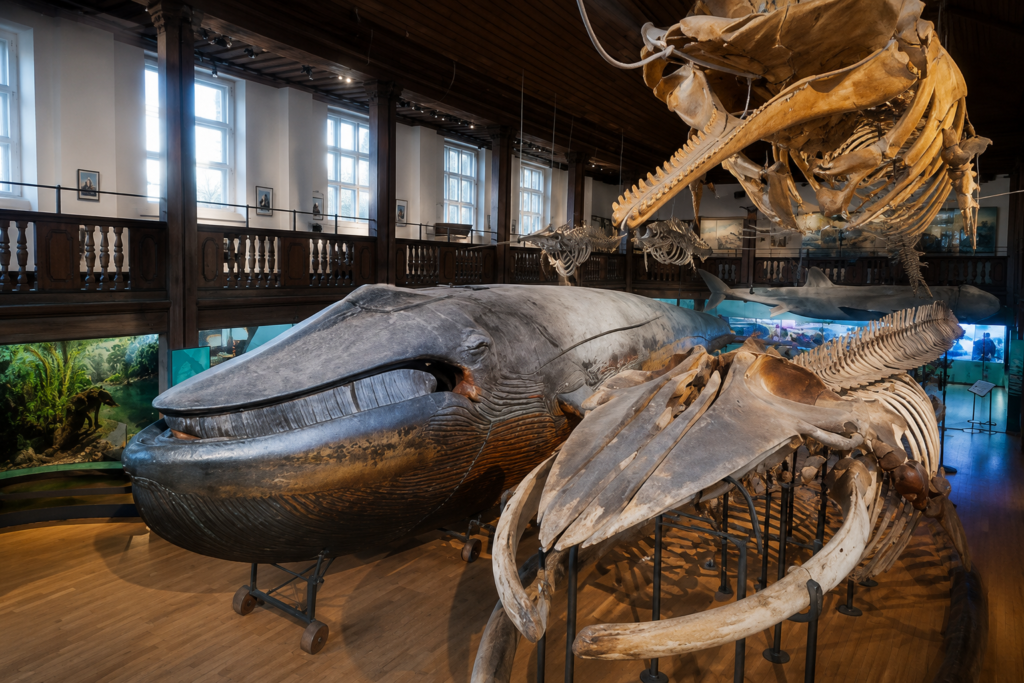
The Natural History Museum at the park’s eastern edge is itself a hidden gem: one of the oldest natural history museums in the world, with a mounted blue whale that once had a door cut in its belly for visitors to walk through. The whale is still there; the interior access is not. It remains one of the more surreal museum exhibits in Scandinavia.
6. The Maritiman Submarine — Better Than It Sounds
The submarine Nordkaparen at Maritiman is consistently underestimated by visitors who expect a boat exhibit and end up somewhere considerably stranger. The Nordkaparen is a Cold War-era Swedish Navy vessel that became famous in 1980 for a prolonged two-week pursuit of an unidentified submarine in Swedish territorial waters — a chase that was never officially resolved. Walking through it — into the torpedo room, through the control room, along the sleeping berths — is disorienting in the way that genuinely tight, purpose-built enclosed spaces always are. Visitors who dismiss Maritiman as “a boat museum” consistently miss one of the more memorable experiences in the city.

7. Masthuggskyrkan — The Church on the Hill
The Masthuggskyrkan sits on the hill between Haga and the Linné neighborhood, visible from large parts of the city as a rust-red landmark. Built between 1910 and 1914 in National Romantic style, it was making a deliberate statement about Nordic identity. Inside, the church is unexpectedly light and spacious, with a carved wooden ceiling and stained glass windows among the finest in Gothenburg. It’s free to enter, usually quiet, and almost never on anyone’s itinerary.
8. Linné — The Neighborhood for Locals
Linnégatan and the surrounding Linné neighborhood is where Gothenburg locals go to eat and drink when they want to avoid tourist prices. Running parallel to Avenyn — Gothenburg’s main tourist boulevard — it offers better food, better wine, more independent businesses, and a more genuine sense of how the city actually socializes. The wine bars, natural wine shops, and independent restaurants have a casual intelligence that Avenyn’s more performative establishments rarely match.
Hidden Gems Quick Reference
Gothenburg Hidden Gems — At a Glance
| Hidden Gem | Best For | Time Needed | Cost | How Far Off the Main Route |
|---|---|---|---|---|
| Kronhusbodarna courtyard | Anyone; craft and quiet seekers | 20–30 min | Free (shopping optional) | 5 min detour from canal route |
| Skansen Kronan hilltop | Everyone — the best free view in the city | 30–45 min incl. climb | Free | End of Haga walk, 15 min climb |
| Artscape murals | Art and photography enthusiasts | Half day for a full trail | Free | Tram ride from center |
| Gothenburg metal scene (live venues) | Music fans, rock/metal | Evening activity | €10–20 | Järntorget area, walkable from Haga |
| Slottsskogen quiet corners | Anyone wanting park time without crowds | 1–2 hours | Free | 20 min walk from Haga or tram |
| Maritiman submarine Nordkaparen | History buffs, Cold War curiosity | 2–3 hours | ~180 SEK | Waterfront, 10 min tram from center |
| Masthuggskyrkan | Architecture and quiet seekers | 30 min | Free | 10 min walk from Haga |
| Linné neighborhood | Food, wine, evening socializing | Evening/dinner | Restaurant prices | 10 min walk from Avenyn |
How to Integrate Hidden Gems Into Your Visit
The most effective approach is to fold hidden gems into an existing itinerary rather than building a separate day around them. The TouringBee Gothenburg City Walking Tour route passes directly by Kronhusbodarna and ends at Skansen Kronan — so both of those hidden gems are built into the standard walking day without extra planning. The audio guide provides context for Kronhuset and its courtyard that makes the detour meaningful rather than just scenic. Most people using TouringBee’s Gothenburg guide discover Kronhusbodarna mid-walk as a natural pause point, and Skansen Kronan as the walk’s culmination.
If you’d rather start by seeing the historic centre from the water, the classic Paddan canal sightseeing cruise passes under twenty bridges through the same 17th-century canal ring that the Kronhusbodarna detour branches off from — a good way to scout the route before walking it.
Masthuggskyrkan can be added to the Haga section of any walk with a 20-minute extension. Linné works as a dinner destination after any walking day ending near Haga or Götaplatsen. Artscape and the metal scene require a tram ride or an evening out — but reward visitors who have a second day or want to genuinely depart from the tourist track.
Common Mistakes When Seeking Hidden Gems
Hidden Gem Mistakes — and What to Do Instead
| Mistake | What Happens | Better Approach |
|---|---|---|
| Skipping Skansen Kronan because “it’s just a hill” | Missing the best free panoramic view in the city | Build the 15-min climb into your Haga visit — it’s the natural endpoint |
| Walking past Kronhusbodarna without entering | The entrance is easily missed from the main street | Look for the archway from Kronhusgatan — the courtyard is behind it |
| Assuming Maritiman is just a boat museum | Missing the Nordkaparen submarine | Allocate 2–3 hours and board every vessel you can |
| Eating every dinner on Avenyn | Higher prices, lower local atmosphere | Walk 5 min west to Linnégatan for better quality at lower cost |
| Treating Slottsskogen as a transit route to the museum | Missing one of the best parks in Scandinavia | Allow 1–2 hours in the park itself; the pond area is the highlight |
Practical Tips for Finding Gothenburg’s Hidden Side
- Arrive at Kronhusbodarna before noon on weekdays. The workshops open by 10am and the courtyard is at its quietest in the morning.
- Do the Skansen Kronan climb at the end of a walking day. The view is better in afternoon light, and having walked the city below makes the panorama more meaningful.
- For Artscape, look up the current map online before going. New works are added regularly. Search “Artscape Göteborg” for the current trail map.
- For the metal scene, check gig listings in advance. Sticky Fingers and Pustervik post their programmes on their websites. Gothenburg’s Way Out West festival (August) concentrates the best live music of the year.
- For Linné, go on a Thursday or Friday evening. The neighborhood is at its liveliest but not yet weekend-crowded. Natural wine bars fill up quickly on Friday.
Frequently Asked Questions
What are the most underrated things to do in Gothenburg?
Kronhusbodarna courtyard (walked past without being entered), the climb to Skansen Kronan (undervisited despite being free and offering the best city view), the Maritiman submarine (consistently underestimated as “just boats”), and the Linné neighborhood for dinner (better food than Avenyn at lower prices) are the most consistently underrated experiences for visitors who have already done the main sights.
Is Gothenburg’s street art worth seeing?
Yes, particularly if you have an interest in large-scale public art. The Artscape program has produced significant work over two decades in Gamlestaden, Högsbo, and other neighborhoods. A dedicated half-day following the current Artscape map is a genuinely different Gothenburg experience from the historic center circuit.
Is Gothenburg known for metal music?
Among music fans, significantly. Gothenburg metal (melodic death metal) is one of the most influential metal subgenres to emerge from any city in the 1990s, with At the Gates, In Flames, and Dark Tranquillity shaping the sound globally. The live music venue scene around Järntorget still reflects this history.
What’s in Slottsskogen beyond the zoo?
Slottsskogen is 137 hectares of forest paths, open meadows, ponds, and garden areas. The free zoo is at the eastern entrance; beyond it, the park extends westward into quieter sections. The pond area in the park’s interior is the highlight: pleasant, uncrowded, with good bird life and the restorative quiet that urban parks provide at their best.
Is Masthuggskyrkan worth visiting?
For anyone with interest in Nordic architecture, yes. The National Romantic style of 1910–1914 is distinctive, and the carved wooden ceiling and stained glass windows inside are genuinely impressive. Free entry, always open during daylight hours, 10 minutes’ walk from Haga.
How do I get to the Artscape murals?
Gamlestaden is accessible by tram from the city center (lines running northeast from Brunnsparken). Högsbo is southwest (trams toward Frölunda). The Artscape organization maintains an updated online map. A bicycle is particularly useful for a full trail day.
Guided Tours & Experiences
If you want to add a guided element to your hidden-gems day, these work well alongside a walking route:
- Gothenburg: 24 Hour Hop-On Hop-Off Bus and Boat Tour — the boat stops connect the waterfront sights, including the Maritiman area.
- Gothenburg Archipelago Cruise with Guide — the archipelago is the biggest hidden gem of all if you have a spare half-day.
Continue Exploring
- What to See in Gothenburg: A Complete Guide for First-Time Visitors — the full overview, which pairs well with these hidden gems
- Self-Guided City Walking Tours That Work — how to build an itinerary that includes detours without losing the main thread
- Affordable Travel Experiences That Feel Rich — many of Gothenburg’s hidden gems are free
- Visiting Stockholm, Copenhagen, or Oslo? TouringBee’s audio walking tours for Stockholm, Copenhagen, and Oslo cover the hidden layers in each city as you walk.
Disclosure: some links in this article are affiliate links (GetYourGuide). If you book through them, the price for you stays the same, but it helps support TouringBee’s free travel guides.