
No products in the cart.

Royal Mile Edinburgh: What to See, Where to Eat and What to Skip
The Royal Mile packs a cathedral, a palace, underground closes and museums into one street. How long to give it, what to go inside, what to walk past, where to eat and what to do in the rain.
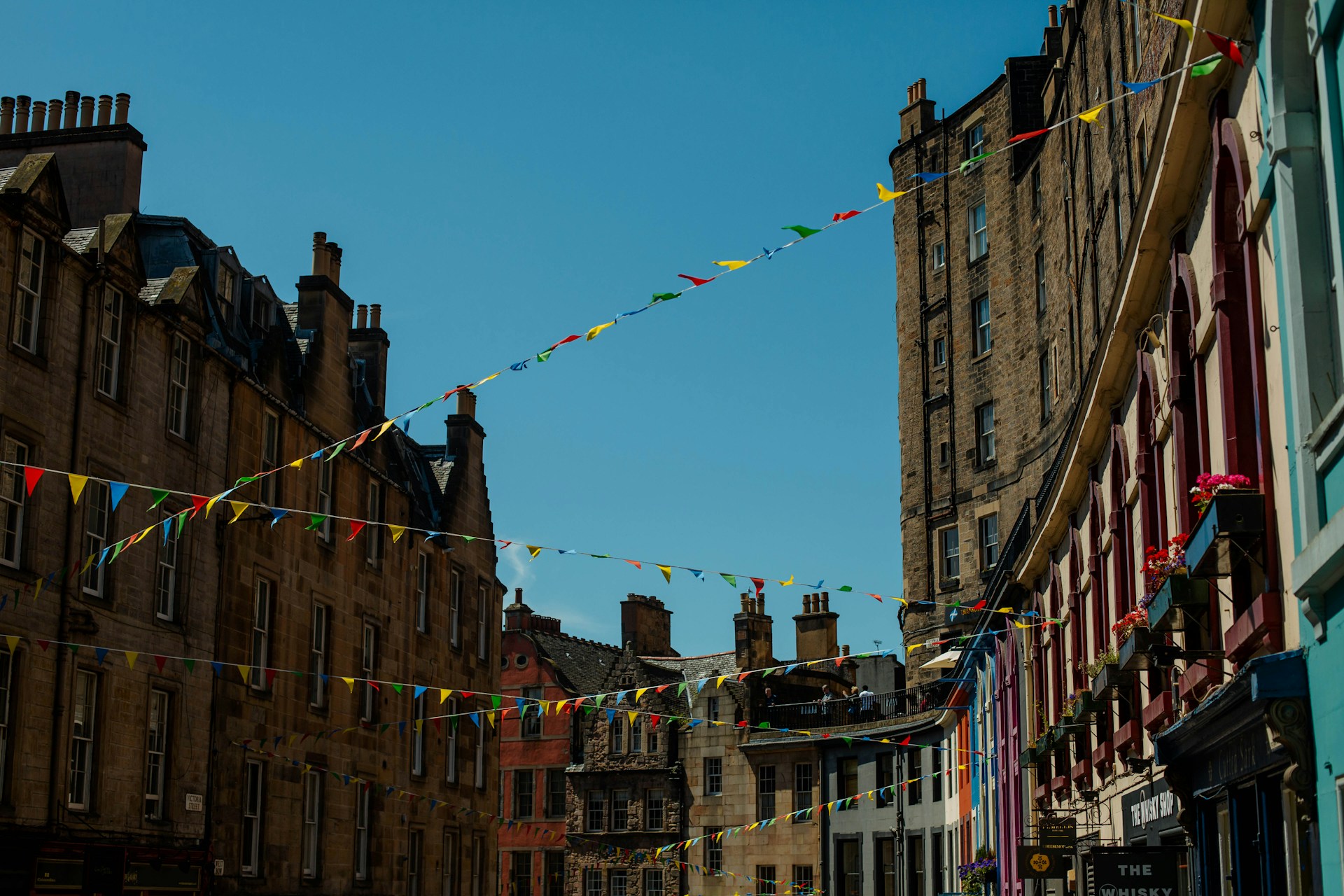
One street, a dozen different ways to spend the day — the trick is picking a handful, not all of them.
The Royal Mile looks simple to plan: one long historic route running from the Castle down to Holyrood. The difficulty isn’t finding things to see — it’s that this close-packed route holds a cathedral, a palace, an underground close, several museums, a whisky attraction, and dozens of shops, and a normal sightseeing day has no room for every door.
A Royal Mile visit can be a focused two-hour walk or fill most of a day, depending on how many of those doors you open. If you’d rather give the walk a narrative while choosing your stops independently, the TouringBee Royal Mile audio guide covers the route from Holyrood to the Castle at your own pace, pausing whenever you like. This guide does something different: it helps you decide what to go inside, what to walk past, and what to leave for another trip.

For most first-time visitors, the Royal Mile works best as one substantial part of an Old Town day rather than the whole of it — one big paid attraction if you want one, a couple of shorter stops, and enough unhurried time to actually look at the street itself.
Quick Answer
- A focused walk without a major interior takes about 1.5–2 hours; add a museum or cathedral stop for 2–3 hours, and half a day or more once a big paid attraction joins the plan.
- St Giles’ Cathedral is the easiest short interior to justify on a general walk; the free city museums (Writers’ Museum, Museum of Edinburgh) are good no-commitment stops.
- Bigger decisions — the Real Mary King’s Close, Gladstone’s Land, Camera Obscura, the Scotch Whisky Experience — depend on your interests more than on the street itself.
- Walking from the Castle toward Holyrood minimizes uphill walking; a timed ticket at either end should still decide your direction first.
How much time the Royal Mile actually needs
| Time available | What realistically fits |
|---|---|
| About 1.5 hours | A focused walk, a look into a few public closes, no substantial paid interior |
| 2–3 hours | A relaxed walk plus one short interior, a museum or cathedral stop, and a coffee break |
| Half a day | The street plus one substantial paid attraction |
| Most of a day | Makes sense once a major attraction like the Castle or the Palace is already a priority |
Distance alone tells you very little here — the route itself is compact, but the density of what’s along it decides your pace. Once a major attraction enters the plan, you’re no longer walking the Royal Mile so much as running several separate visits that happen to sit close together.
Uphill or downhill?
If minimizing the climb is the main concern, walk from the Castle down toward Holyrood rather than the other way. A timed Castle or Palace ticket should still decide your direction before comfort does, and if you’re following a prepared walking route, use the direction it was designed for rather than reversing it to dodge a hill.
If you can only choose a handful of things
There’s no single “top five” that fits every visitor, because the Royal Mile mixes several genuinely different kinds of experience.
| Choice | What it adds |
|---|---|
| St Giles’ Cathedral | The easiest short historic interior for a general first visit |
| One or two clearly public closes | A sense of how the street connects to courtyards, stairways and other levels of Old Town |
| One free city museum | The Writers’ Museum for literature, the Museum of Edinburgh for the city’s own history |
| One substantial paid attraction | Chosen by interest rather than stacked on top of another |
| A nearby detour | Grassmarket or Greyfriars, if you want a change of pace before returning |
What’s deliberately missing from that list is a demand to see the Castle, the Palace, the whisky experience and an underground close all in one day. Those are all worthwhile — they’re just not the same choice, and picking between them is a large part of what makes a Royal Mile day work.
Which historic interiors are worth going inside
St Giles’ Cathedral
If you step inside only one historic building on a general walk, St Giles’ is the easiest to justify — the shift from the busy street outside to the stone interior, stained glass and Thistle Chapel doesn’t require any particular interest in church history. Standard visitor admission is £12, with free access for residents of Scotland and visitors under 16. That puts it in a different category from the free city museums nearby: an easy addition to a Royal Mile walk, but a paid one for most adult visitors.

Gladstone’s Land
Gladstone’s Land suits visitors more curious about how people actually lived and worked in an Old Town tenement than about another grand institution. It’s one of the street’s oldest surviving buildings, laid out across several floors that trace its residents through different periods. The upper floors are reached by a steep, uneven turnpike staircase, which is worth knowing before you commit. Choose it over a larger attraction if domestic history and architecture interest you more than royal or military history.
John Knox House
John Knox House is a smaller, more specialized stop, tied to the Scottish Reformation and one of the Royal Mile’s oldest buildings. If that period already interests you, it’s an easy addition; if the name means little to you and time is short, there’s no need to visit purely because the building is old. That holds across the whole street — historic importance doesn’t automatically translate into personal interest.
Which paid attraction actually fits you
Several of the Royal Mile’s biggest attractions sit within a few minutes of each other but deliver completely different experiences.
| Attraction | Good fit if… | Skip or reconsider if… |
|---|---|---|
| The Real Mary King’s Close | You want a guided, immersive look at the city’s social history underground | Enclosed spaces, uneven surfaces or timed guided tours aren’t for you |
| Camera Obscura & World of Illusions | You’re travelling with kids or want an interactive, photo-friendly stop with rooftop views | Your limited time is mainly for Edinburgh’s history |
| Scotch Whisky Experience | Learning about Scotch whisky is a genuine trip interest | You’re only considering it because “Scotland means whisky” |
| John Knox House | Reformation history or old domestic architecture interests you | You want a broad introduction rather than a specialized house |
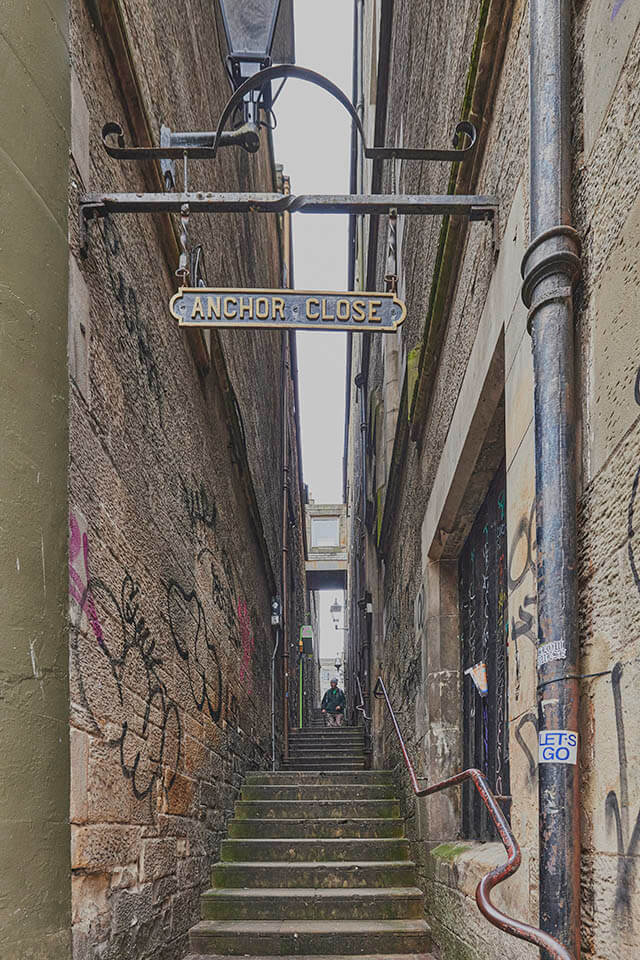
The Real Mary King’s Close is a roughly hour-long guided walk through preserved underground streets and rooms beneath the Royal Mile, with tours departing at set times; booking ahead is worth it because tours frequently sell out. Camera Obscura is a different kind of stop entirely — several floors of interactive exhibits plus a rooftop terrace, a strong choice for families or anyone who enjoys optical illusions, but not a substitute for a historic museum. The Scotch Whisky Experience solves a specific interest near the Castle end of the street rather than a general sightseeing need.
Edinburgh Castle and the Palace of Holyroodhouse are the two biggest decisions on the street, and both deserve their own planning rather than being treated as another quick stop — our dedicated Castle and Palace guides (coming soon) cover tickets and timing for each. If the Palace is your pick, a Palace of Holyroodhouse entry ticket lets you fix the time in advance.
GetYourGuide
Edinburgh Castle: guided history tour with tickets
The Castle sits at the top of the Royal Mile and deserves its own slot. This guided tour includes entry and is rated 4.8 by thousands of travellers.
See tickets and times →Free museums worth a short stop
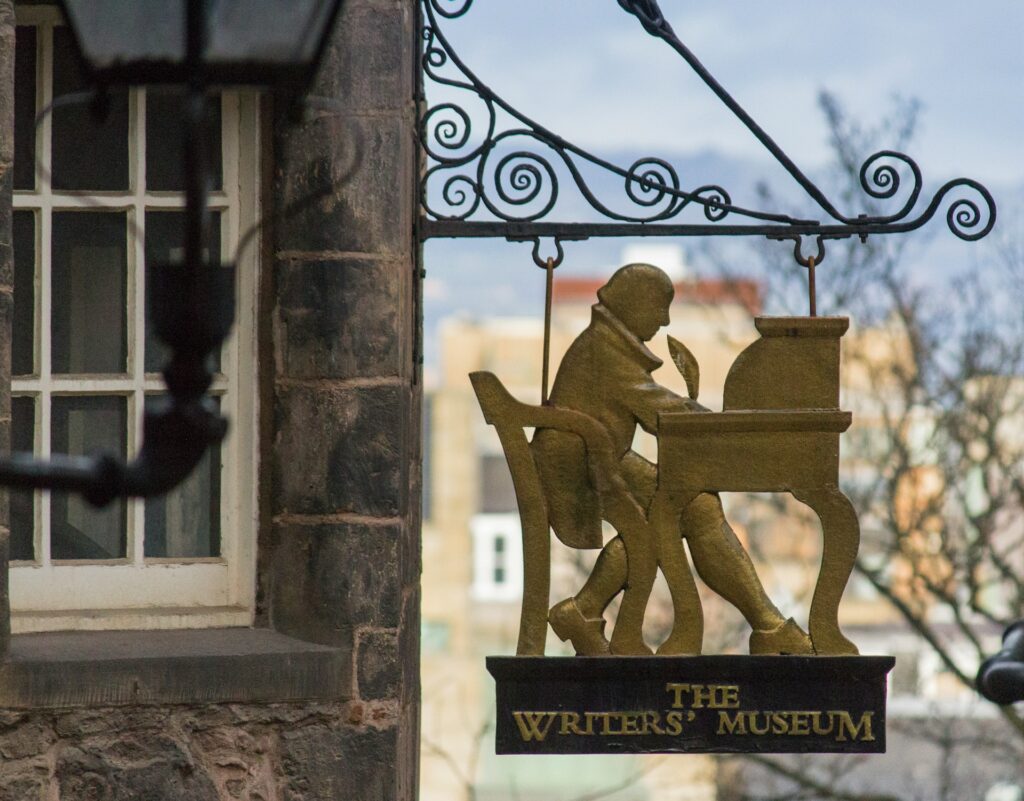
The Royal Mile has a real advantage here: you can add a genuine museum stop without adding another ticket to the day. The Writers’ Museum, tucked into Lady Stair’s Close, suits anyone interested in Burns, Walter Scott, Robert Louis Stevenson or literary Edinburgh, and it’s free with donations welcome. The Museum of Edinburgh, housed in a historic building on the street, focuses on the city’s own history rather than its literature. The Museum of Childhood rounds these out with a free collection on toys and the history of childhood. None of the three needs a strong personal interest to justify a quick look, but “it’s free” isn’t reason enough to visit all three.
Closes: look into them without turning them into a checklist
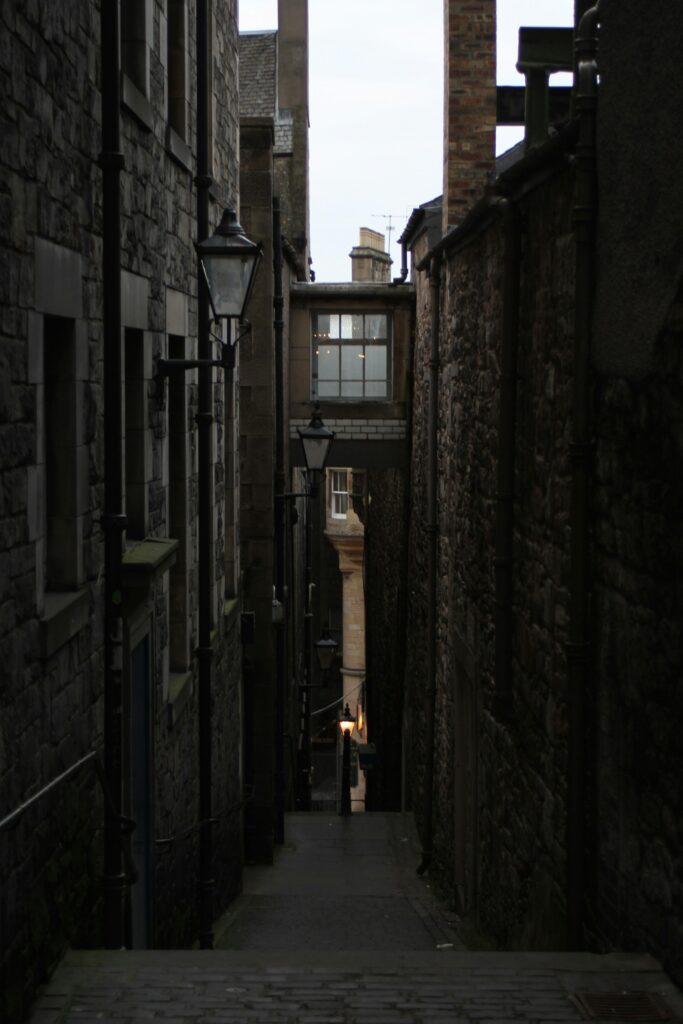
The closes are one of the reasons the Royal Mile feels different from an ordinary historic shopping street — narrow openings between buildings that lead into courtyards, stairways or connections to another level of Old Town. Some are private. There’s no need for a list of a dozen closes and a fear of missing the “best” one: pick a few that are clearly public, glance through the opening before deciding whether to continue, and follow the ones that look interesting. Lady Stair’s Close is an easy example, since it also leads to the Writers’ Museum — beyond that, curiosity works better than completionism.
Harry Potter, briefly
Harry Potter is hard to miss around the Royal Mile — themed shops, tours and nearby streets all lean on the connection. Victoria Street, just off the street near Grassmarket, is often promoted as the model for Diagon Alley, though J.K. Rowling has said no real street inspired that scene and that she hadn’t seen Victoria Street when she wrote it. That doesn’t make it less enjoyable to visit — it just means the story differs from what a shop sign suggests. Our Harry Potter in Edinburgh guide (coming soon) goes into what’s documented and what’s tourist tradition. If actual filming locations are what you’re after, TouringBee’s Harry Potter locations audio guide in London follows several real screen locations and other Potter-linked London stops.
Should you detour to Grassmarket or Greyfriars?
Worth it if you want the Royal Mile to stop feeling like one continuous street. Grassmarket sits below the Castle with a different sense of the city’s levels, plus cafés and strong views back up toward the fortress; Greyfriars shifts the mood again, quiet and green within a few minutes of the busiest part of Old Town. Neither is compulsory on a short visit — with 90 minutes, staying focused serves you better — but with half a day and a street that’s starting to feel repetitive, either detour gives you something to compare it with. Our separate Old Town guide (coming soon) covers both in full.
Where to eat, and where to just browse
Lunch on the Royal Mile works best when you decide what role the meal needs to play before you look at menus — a quick, casual stop to keep the day moving, or a sit-down meal that’s part of the experience. Restaurants change faster than monuments, so our dedicated food guide (coming soon) is the better place for current picks; this street rewards moving a few minutes off the main road if it feels too busy, rather than settling for the first door you pass.
Shopping follows a similar logic. The street mixes straightforward souvenir shops with specialist whisky, textile and jewellery stores aimed at visitors who rarely have time to compare prices — worth checking a label, asking where something was made, and comparing a couple of shops before a purchase that matters to you. Our separate shopping guide (coming soon) covers where to look for genuinely local makers.
What you can do for free
- Walk the street itself and look into clearly public closes and courtyards
- Choose a free museum that matches your interests: the Writers’ Museum, Museum of Edinburgh or Museum of Childhood
- Take in the Scottish Parliament’s public visitor areas and permanent exhibition when the building is open (free guided tours run separately and are worth booking ahead; parliamentary business can affect access, so check before building a day around it)
- Refill a water bottle at the Top Up Taps on the Royal Mile/High Street or outside the Scottish Parliament
If it rains
A better strategy than trying to enter every museum at once is picking one indoor anchor and building the rest of the day around it — St Giles’, Gladstone’s Land, the Real Mary King’s Close, or one of the free museums for history; Camera Obscura for something less historical, though poor visibility cuts into the rooftop terrace’s appeal. Stone, narrow closes and grey skies suit the Royal Mile reasonably well — what spoils the day is being cold and wet for hours, not the rain itself, so a proper waterproof layer and shoes that handle cobbles matter more than the forecast.
Common Mistakes
A few habits turn a good Royal Mile day into a tiring one, usually from trying to make the street do more than one thing at once:
- Trying to enter everything. The street holds more attractions than any single day can absorb — choosing by interest works better than choosing by proximity.
- Booking a paid attraction that doesn’t actually interest you. Popularity is useful information, not a personal itinerary — a whisky experience because you’re in Scotland, or Reformation history because a building looks old, rarely earns its slot.
- Treating every close and shop as a required stop. Browsing is part of the fun; checking off a list of closes isn’t.
- Making the Royal Mile the entire visit. If half a day has already gone into this one street, three more hours here may add less than a change of neighbourhood.

FAQ
How long should you spend on the Royal Mile? About 1.5 hours for a focused walk without a major interior, 2–3 hours with one short stop, and half a day or more once a big paid attraction — the Castle, the Palace or the Real Mary King’s Close — joins the plan.
Is the Royal Mile free to visit? The street itself is free to walk, along with public closes and several city museums. Major attractions charge separately; St Giles’ Cathedral, for instance, has a £12 standard admission with free access for residents of Scotland and visitors under 16.
Is the Royal Mile steep? Yes — there’s a noticeable overall slope between the Castle and Holyrood. Walking from the Castle toward Holyrood minimizes the uphill sections, though cobbles and uneven surfaces matter in either direction, especially late in a long sightseeing day.
Do I need to walk the entire street? No. A shorter, unhurried section beats rushing end to end just to say you finished it.
Continue exploring Edinburgh
For a walk with the stories built in, see our Edinburgh Royal Mile Audio Guide. To fit the street into a budget, see How Much Does Edinburgh Cost?; for the hills and cobbles, see How to Get Around Edinburgh, and for seasons and crowds, Best Time to Visit Edinburgh.
Planning tickets? Compare the Royal Edinburgh Ticket (hop-on hop-off, Castle, Britannia, Holyroodhouse), the Royal Yacht Britannia ticket and the hop-on hop-off bus pass.
The Royal Mile makes more sense once you stop trying to finish it — choose what actually interests you, and let the street fill in the rest on its own.
This article contains affiliate links. If you buy through our TouringBee audio guide or GetYourGuide links, we may earn a small commission at no extra cost to you.