
No products in the cart.

Best Time to Visit Edinburgh: Seasons, Crowds, Weather and Prices
There's no single best month for Edinburgh — only a best reason to pick each one. Seasons, festivals, crowds, weather and prices, month by month.
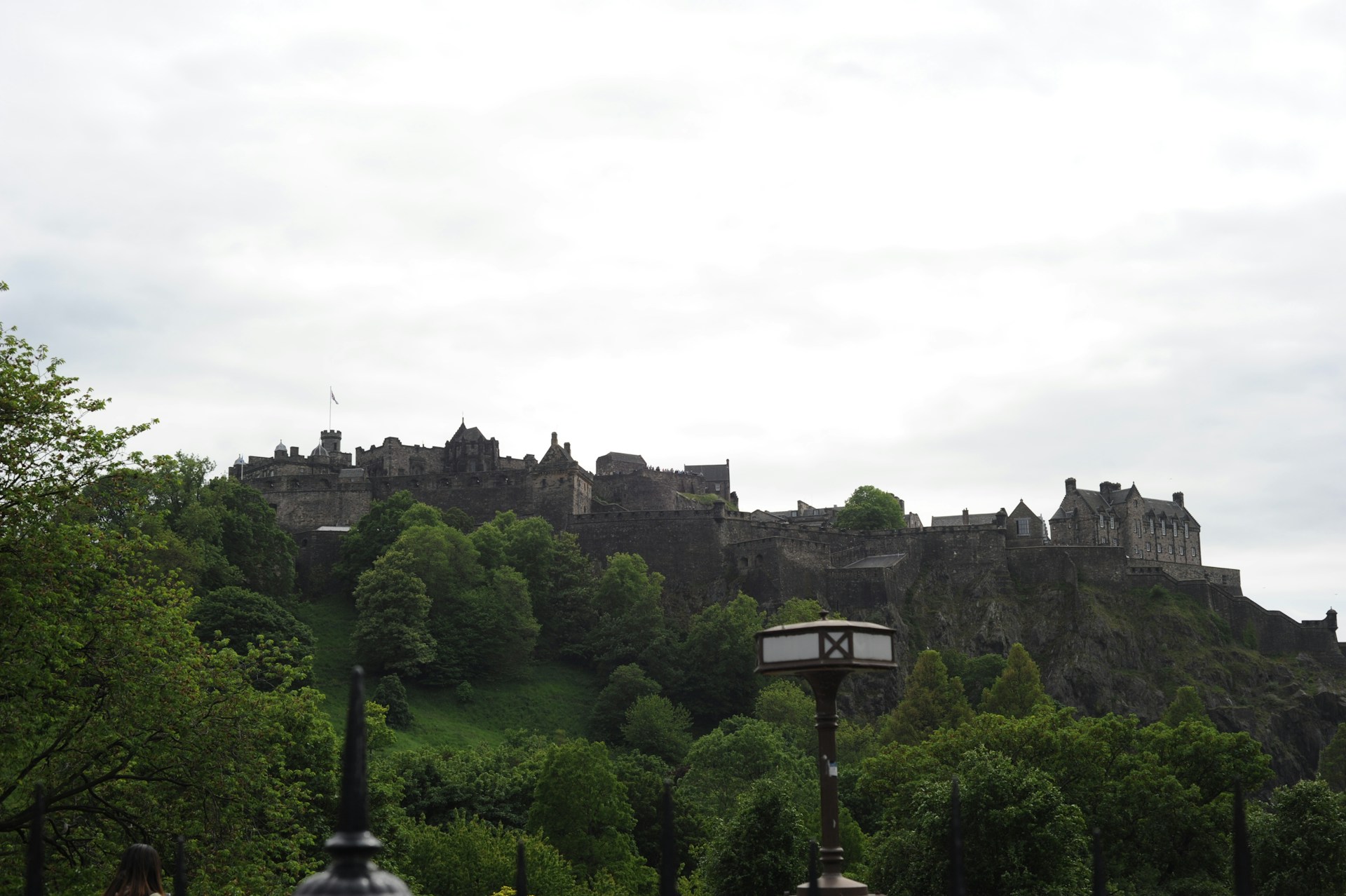
There’s no single best month — there’s a best reason to pick each one.
Edinburgh doesn’t really have an off-season. Something is usually happening, and the weather rarely rules out a visit outright. What changes from month to month is the balance between crowds, prices, daylight — and which version of the city shows up to meet you.
Weather, crowds and price are only part of the picture. Outside the August and Christmas peaks, Edinburgh has weekends and festivals of its own — a fire ritual on Calton Hill in spring, one weekend a year when normally locked doors across the city swing open — that can be a reason to choose a month rather than settle for it. Picking a season is less about dodging rain (Edinburgh gets some most months) and more about deciding which Edinburgh you want to walk into.
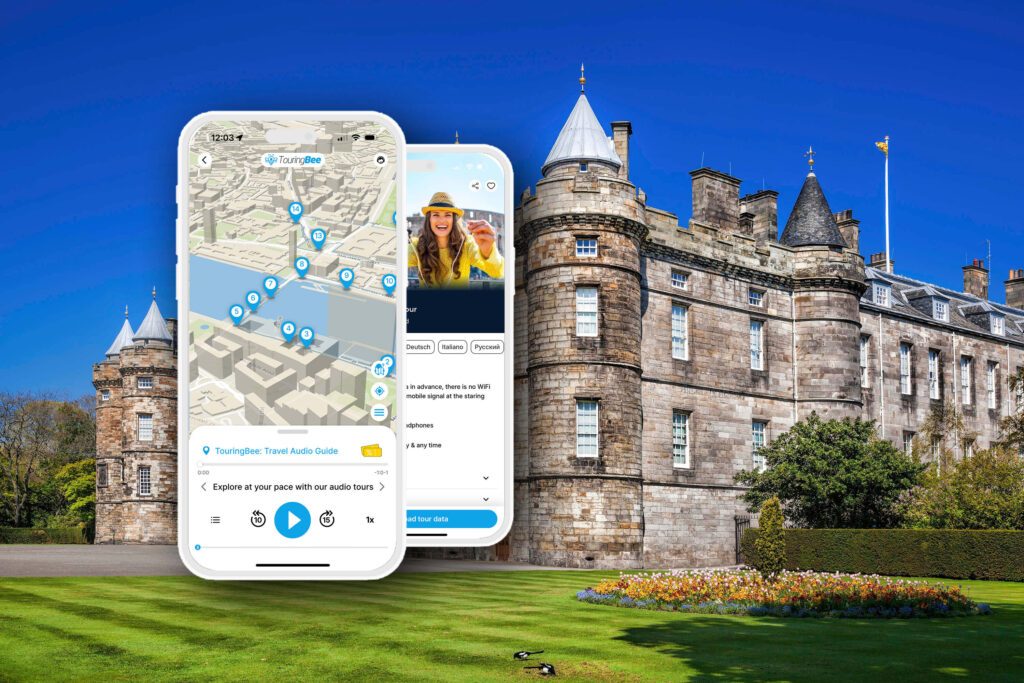
Whatever month you land in, give the Royal Mile its own block of time. The TouringBee audio guide to the Royal Mile walks you from Holyrood up to the Castle in about 1.5 hours at your own pace, rain or shine — one plan that works in every season.
Quick answer
- June / early July: the longest days of the year, summer events around the city, and far less pressure than August on streets, hotels and restaurants.
- Late July: a first taste of festival season without August’s full intensity.
- August: the Fringe, the International Festival and the Tattoo — choose it because you want the festival city, not despite it.
- September / October: calmer streets plus Doors Open Days, autumn colour, storytelling and Samhuinn.
- Late November / December: Christmas lights and markets at their gentlest; Hogmanay is a separate, higher-demand trip at the very end of December.
- January–March: usually the quietest, better-value stretch — with the occasional busy weekend (Six Nations rugby, for instance) worth checking first.
The short answer, by goal
| Your priority | Best window |
|---|---|
| Warm(ish), long days, local events without August-scale crowds | June, early July |
| Festivals and a city at its most alive | August |
| A rare look inside buildings usually closed to the public | Late September (Doors Open Days) |
| Autumn colour plus storytelling and fire festivals | Late October |
| Christmas markets, lights, Hogmanay | Late November to early January |
| Lowest prices, quietest streets | January to March |
| Spring festivals before the summer crowds arrive | April |
Late winter into spring: waking up before the crowds do
A hidden crowd factor in the “quiet” months
Even outside the big tourist peaks, Edinburgh isn’t always as sleepy as the calendar suggests. Scotland’s Six Nations rugby fixtures fill Murrayfield Stadium on selected February and March weekends most years, which can quietly book out hotels and pubs on the west side of the city. Check the current fixture list on the Scottish Rugby website before assuming a winter weekend will be quiet.
April: science and fire
April turns Edinburgh into a different kind of festival city. The Edinburgh Science Festival fills the Easter school holidays with hands-on exhibitions, workshops and shows for all ages, and on 30 April the Beltane Fire Festival takes over Calton Hill after dark: drummers, fire, elaborate costumes and an immersive performance marking the start of summer — a modern reinterpretation of an old Celtic ritual. Neither event overwhelms the city the way August does, but for the right traveller late April is a self-contained reason to come.
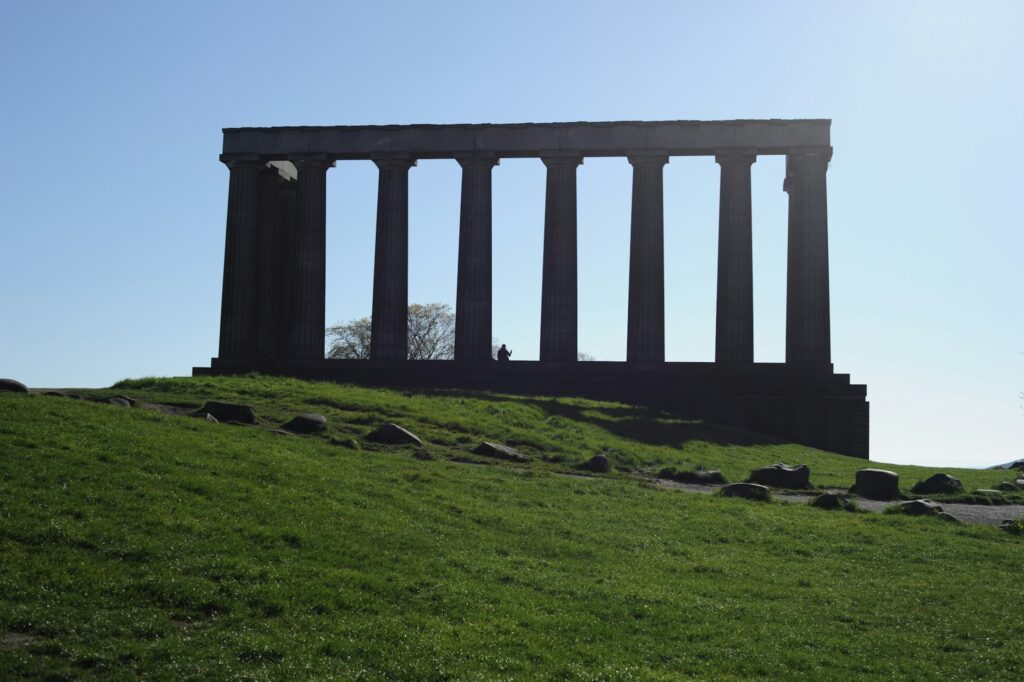
May: traditional arts and the first big spring crowds
Early May brings Edinburgh Tradfest — Scottish and international folk music, storytelling, film and workshops at venues including the Scottish Storytelling Centre. Late May into early June adds the Edinburgh International Children’s Festival, a proper international theatre and dance festival for young audiences. Late May is also the Edinburgh Marathon Festival: worth knowing about even if you’re not running, since road closures and a busy weekend are the trade-off for a city with a real spring buzz.
June and July: long light, local colour and a first taste of festival energy
June: the longest days, without the Fringe crowd
June gives you some of the year’s longest sightseeing days — sunset well after 9pm around the solstice — plus local events that never reach August’s scale. The Royal Highland Show brings livestock, food and rural Scotland to the edge of the city in mid-to-late June, the Leith Festival fills that neighbourhood with a community-run programme, and Pride Edinburgh adds a day of colour. Plenty is happening, without August-level pressure on streets, accommodation and restaurants.
July: early calm, late build-up
Early July still belongs to long evenings and manageable streets — the last stretch of “ordinary” Edinburgh before the festival machinery starts. By late July that changes: the Edinburgh Jazz & Blues Festival brings top musicians to venues across the city, the Edinburgh Festival Carnival parades music, dance and costume through the centre, and the Edinburgh Folk & Food Festival mixes street food, folk music and chef demos, largely free to wander through. If you want festival Edinburgh without August’s full density, late July is the closest thing to a preview.
August: the city becomes a stage
In August Edinburgh turns into a different city. The Fringe, the International Festival, the Royal Edinburgh Military Tattoo and several smaller festivals overlap for most of the month, filling the Royal Mile with performers and venues across the centre with something always running. On an ordinary trip the Royal Mile is something you walk along; in August it’s something that happens to you — a street performer stops the flow, flyers arrive from three directions at once, and a five-minute pause turns into half an hour. It’s a more expensive, more crowded Edinburgh than in any other month. The logistics deserve more room than fits here, so we’re preparing a separate August guide.
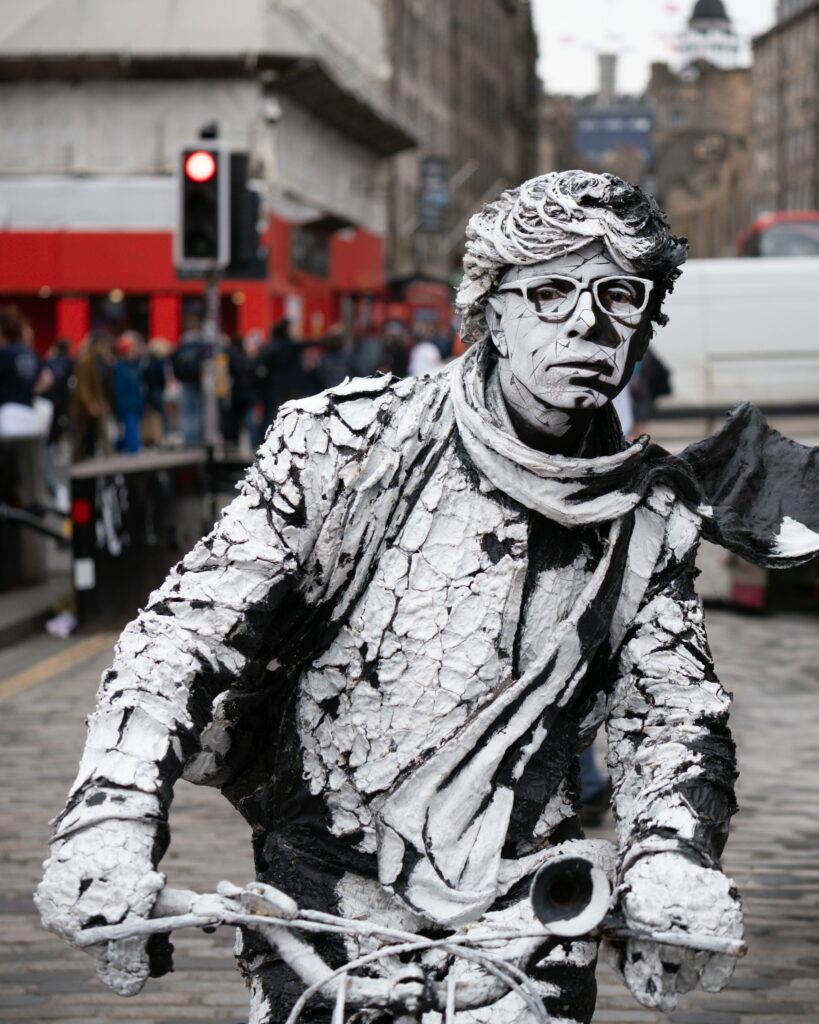
September and October: the reset, then the city’s own smaller show
September: back to normal, then a weekend of open doors
Once the festivals wrap, the city resets fast. September holds on to some late-summer warmth and a noticeably calmer pace. Towards the end of the month, Doors Open Days gives free access to buildings that are normally closed to the public — university halls, historic interiors, private gardens — for one weekend only. It’s one of the few times a year you can walk into parts of Edinburgh that even longtime visitors never see.
October: colour, stories and fire again
October brings Edinburgh’s best autumn colour, especially in Princes Street Gardens and the Royal Botanic Garden, along with cooler temperatures and more rain. Late in the month the Scottish International Storytelling Festival fills venues across the city — much of it centred on the Storytelling Centre on the Royal Mile — with live storytelling, music, workshops and traditional arts; check the festival’s website for this year’s theme and programme. Late October also brings the Samhuinn Fire Festival, Beltane’s autumn counterpart, with fire, drumming and theatre marking the turn towards winter — check the organisers’ site for the current location and tickets. Outside August and December, October may be Edinburgh’s most underrated “themed” month.
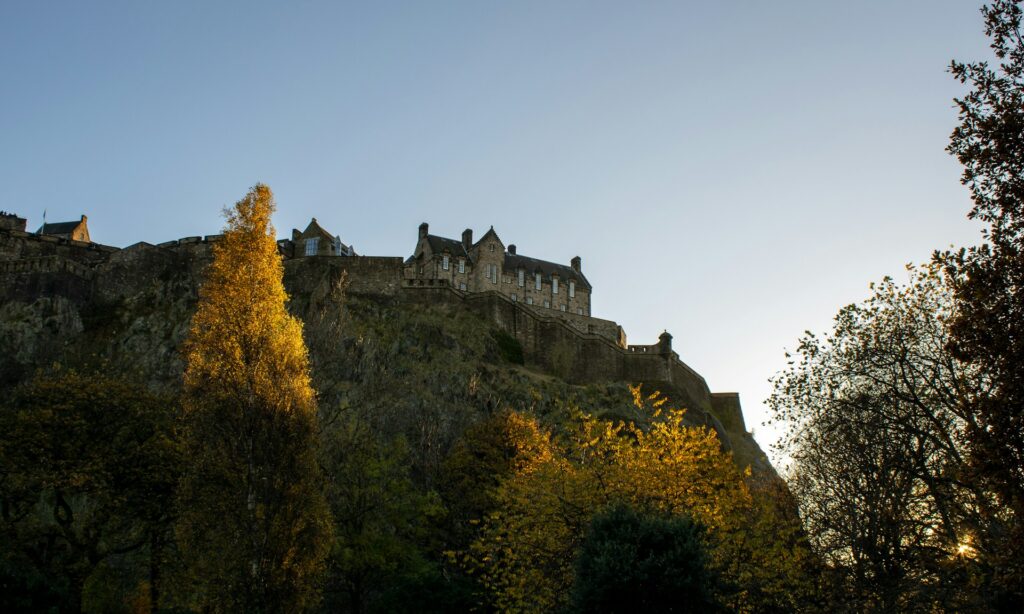
Christmas, Hogmanay and the quiet winter
Late November and December
Edinburgh’s Christmas markets and lights usually run from mid-November into early January, centred on Princes Street Gardens and George Street. The market itself is free to enter; rides and attractions are ticketed separately. One upside of Edinburgh getting dark absurdly early in December: you don’t have to wait until late evening for the city to look festive. Late November and early December offer that atmosphere with smaller crowds and gentler prices; the two weeks before Christmas get considerably busier.
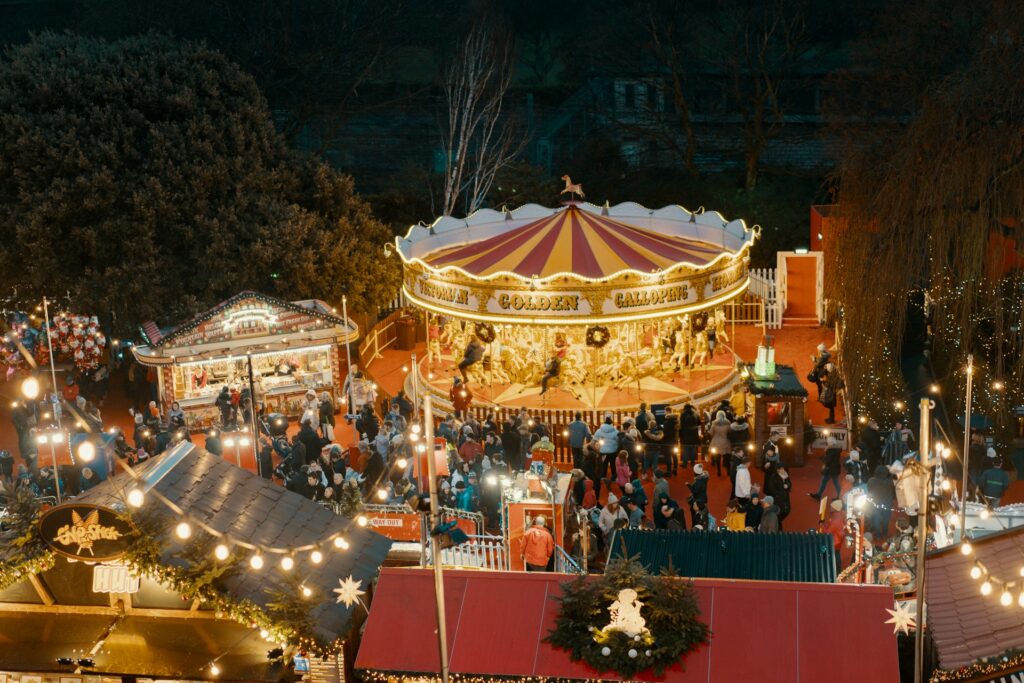
Hogmanay and the first days of January
Hogmanay is Edinburgh’s most famous winter event by far — a multi-day, largely ticketed celebration spanning the last days of December into New Year’s Day. This is when central Edinburgh stops behaving like an ordinary sightseeing city: streets fill, plans become more rigid, and midnight is the main event rather than something that happens after dinner. Accommodation books out well in advance and prices climb accordingly. A dedicated winter guide covering Hogmanay and the wider festive season is on its way.
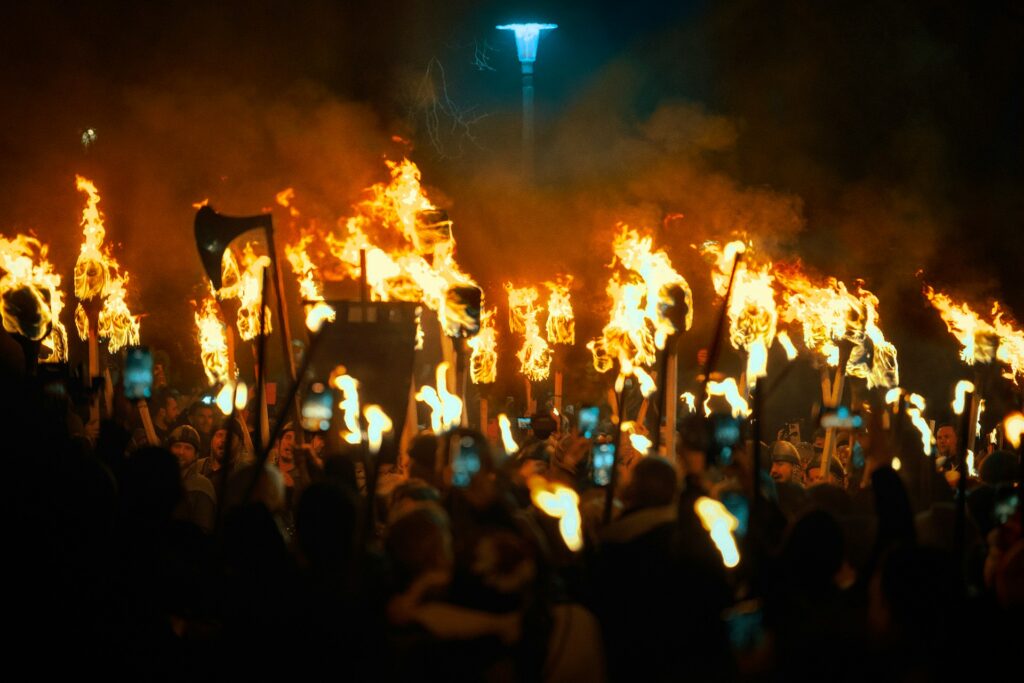
January and February
Once Hogmanay ends, Edinburgh becomes its quietest self — cold, often grey, with short days, but also with some of the thinnest crowds and better-value hotel rates of the year. What you gain isn’t sunshine: it’s unhurried museums, warm pubs and an Old Town that finally has room to breathe. A legitimate choice if price and quiet matter more to you than comfortable weather.
Weather, wind and daylight
Edinburgh’s weather is changeable in every season — layers and a waterproof belong in the bag whatever the month. Broadly, winter (December–February) brings daytime highs around 7–8°C (45–46°F), lows near freezing and as little as 7 hours of daylight around the solstice; summer (June–August) runs at 18–19°C (64–66°F), with daylight stretching past 17 hours near the solstice. Wind picks up noticeably in autumn and winter, and October is often one of the wetter months. None of this rules out any season — it just changes what you pack and how much daylight you have to work with. For wet days, our guide to getting around Edinburgh covers the buses and trams that save your legs.
Best season for walking, Arthur’s Seat and lower prices
For outdoor time — Arthur’s Seat, Calton Hill, a long Royal Mile walk without fighting crowds — late spring and early autumn usually offer the best mix of manageable weather and thinner foot traffic. Long late-spring and summer days are also the easiest time for a trip beyond the city, such as a Loch Ness, Glencoe and Highlands day tour — a 12-hour day feels very different when it’s still light at 10pm. If you have a second day for the hills, our two days in Edinburgh itinerary builds Arthur’s Seat in.
For lower accommodation prices and thinner crowds, winter outside the Christmas and Hogmanay window is hard to beat, though the trade-off is real: short days, cold, and a good chance of rain most days you’re out. Wherever you land, which neighbourhood you sleep in matters as much as the month — our guide on where to stay in Edinburgh breaks the areas down.
Booking.com · Edinburgh
Compare Edinburgh hotel prices for your dates
The same room can cost several times more in August or over Hogmanay than in February. Check a few different dates side by side before you commit to a season.
Check prices on Booking.com →Which season fits you
If you want one clear answer: June or early July gives you the best combined odds of decent weather, long days and a city with events of its own rather than August-scale crowds. August rewards festival lovers who accept the crowds and cost as part of the deal. Shoulder season is no longer just the “cheaper and quieter” option: late April has Beltane, late September has Doors Open Days, and late October adds storytelling and Samhuinn. Late November through Hogmanay suits anyone drawn to Christmas markets and Scotland’s biggest New Year. And the quiet winter months reward travellers for whom price and empty streets matter more than blue skies. First trip? Start with our guide for first-time visitors to Edinburgh.
Common mistakes
A few planning habits cause more disappointment than the weather itself:
- Booking August without checking festival dates first. Prices and availability shift dramatically once the Fringe, the International Festival and the Tattoo overlap.
- Assuming a “quiet” winter weekend is automatically quiet. Six Nations weekends at Murrayfield can fill hotels and pubs even in February and March.
- Treating Hogmanay as a bigger Christmas market visit. It’s a separate, largely ticketed event with its own booking window — plan it as its own trip.
- Packing for one kind of weather. Even the sunniest week can turn wet by afternoon; a waterproof layer matters more than which month you picked.
FAQ
What’s the best month to visit Edinburgh? It depends on your priority: June or early July for milder weather and long days, August for festivals, late April or late October for smaller themed events, and late November to early January for Christmas markets and Hogmanay.
When is Edinburgh cheapest? January to March, outside the Christmas and Hogmanay window — some of the year’s lowest accommodation prices and thinnest crowds, in exchange for cold weather and short days.
Is Edinburgh worth visiting in winter? Yes — Christmas markets, Hogmanay, quiet museums and generally better-value hotels all make a strong case, as long as you’re ready for cold, early darkness and real rain.
Should I avoid August if I don’t like crowds? Probably, unless the festivals are part of why you’re coming. August is exciting, but it’s also the busiest and most expensive month. Late spring and early autumn are calmer alternatives with plenty going on of their own.
Continue exploring Edinburgh
- Edinburgh for first-time visitors — what to see, how many days and practical tips
- Where to stay in Edinburgh — the best areas, whatever the season
- How to get around Edinburgh — walking, trams, buses and airport transfers
- One day in Edinburgh — a realistic first-time itinerary
- Two days in Edinburgh — what the second day adds
Worth booking ahead in any season:
- Edinburgh Castle guided history tour with tickets
- Palace of Holyroodhouse entry ticket
- Hop-on hop-off bus pass (24/48 h) — handy on rainy winter days
There’s no wrong season for a first trip to Edinburgh — only a better match between what the city is doing that month and what you actually came for.
Disclosure: this article contains affiliate links to TouringBee audio guides, to GetYourGuide and to Booking.com. If you book through them, we may earn a small commission at no extra cost to you.