
No products in the cart.

Red-Light District in Amsterdam: What to Know
Planning to visit the Red-Light District in Amsterdam? Learn what to expect, safety tips, local rules, timing, and how to walk it respectfully.
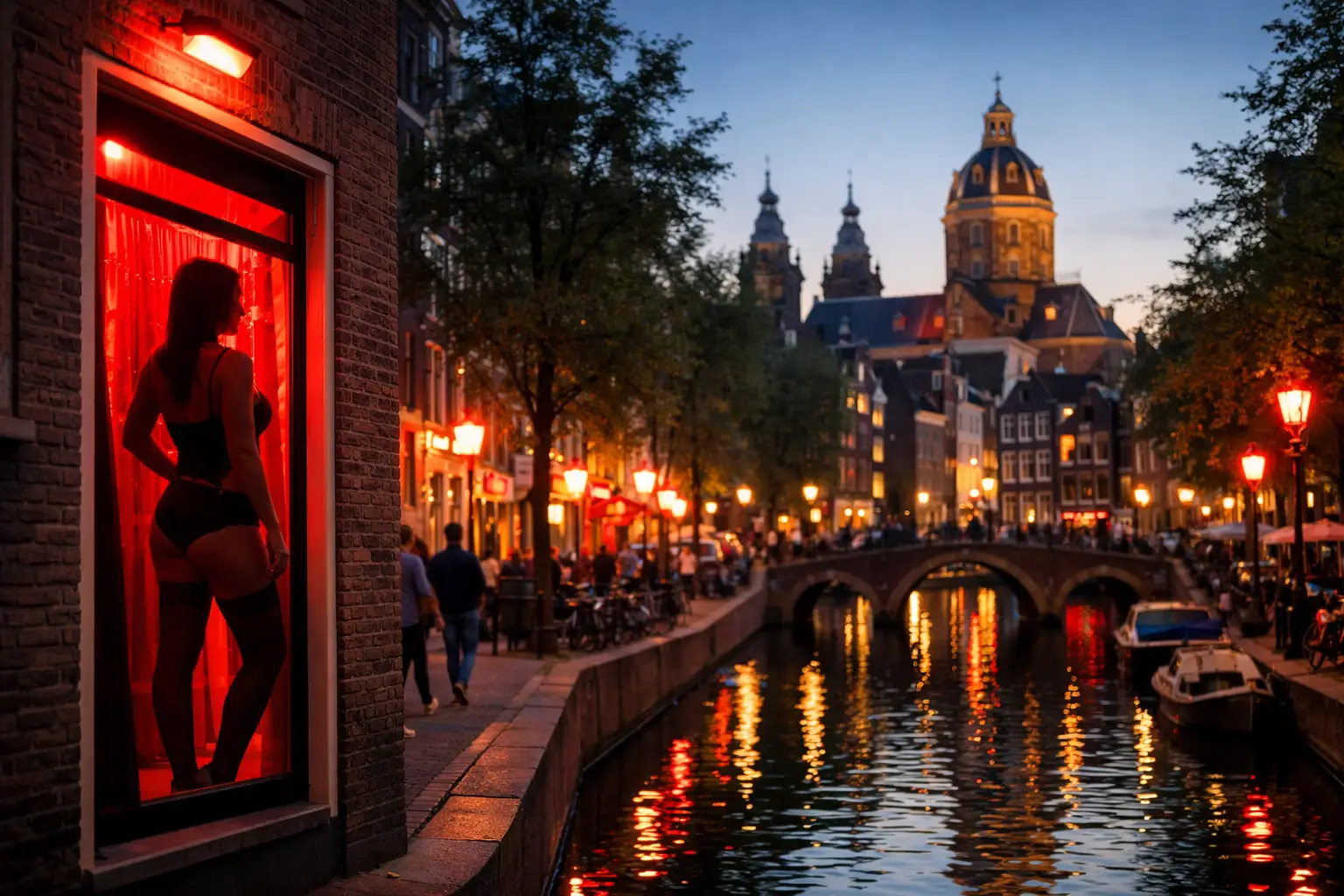
A lot of first-time visitors arrive at the Red-Light District in Amsterdam expecting pure shock value. What they usually find is something more layered – a historic neighborhood, a major nightlife zone, and one of the city’s most talked-about places, all packed into a few old streets and canals.
That mix is exactly why it helps to go in with the right expectations. If you know what the area is, how it works, and how to behave, the visit feels far more interesting and a lot less awkward. You do not need to be a nightlife expert or a seasoned traveler to handle it well. You just need a little context.
What the Red-Light District in Amsterdam actually is
The Red-Light District, often called De Wallen, is one of Amsterdam’s oldest neighborhoods. It sits close to Amsterdam Central Station, which makes it very easy to reach on foot. The area is known for its narrow lanes, historic canal houses, adult entertainment venues, coffee shops, bars, and the famous red-lit windows that made it known around the world.
What surprises many visitors is how compact it is. This is not a separate entertainment complex on the edge of town. It is part of the historic center, surrounded by churches, old buildings, restaurants, and everyday city life. You can turn one corner and find a busy nightlife street, then turn another and see architecture that feels almost postcard-perfect.
That contrast is part of the experience. Some travelers find it fascinating. Others find it uncomfortable or overrated. Both reactions are normal.
Why so many travelers visit
For some people, the draw is simple curiosity. The district has a global reputation, and many visitors want to see it for themselves at least once. Others come because they are interested in Amsterdam’s long history of trade, tolerance, regulation, and urban change.
It is also, practically speaking, one of the easiest neighborhoods to add to a city walk. Because it is central, many travelers pass through it while heading between major sights. If you are already exploring downtown Amsterdam, visiting does not require a big detour.
Still, the experience depends a lot on timing and expectations. If you are hoping for a glamorous movie version of nightlife, you may be disappointed. If you treat it as a real neighborhood with a complicated identity, it becomes much more worthwhile.
What to expect when you walk through the area
Expect crowds, especially in the evening. The streets are narrow, and foot traffic can get slow fast. On weekends and during peak travel months, it can feel packed. If you prefer a calmer look at the neighborhood, go during the day or early evening.
You will see the well-known red-lit windows, adult shops, bars, sex theaters, cannabis coffee shops, snack counters, and groups of tourists moving in every direction. You will also see residents, local businesses, and historic buildings. That blend can feel strange at first, but it reflects the fact that this is not a theme park. It is a real part of the city.
The atmosphere changes by hour. During the day, it can feel like a regular old quarter with canals and tourist foot traffic. After dark, the area becomes louder, brighter, and more focused on nightlife. Neither version is more authentic. They are simply different.
Rules and etiquette matter here
This is the part many visitors get wrong. The district is famous, but that does not make it a free-for-all. There are clear social rules, and ignoring them is the fastest way to turn a casual visit into a bad one.
The biggest rule is simple: do not take photos or videos of the workers in the windows. This is widely understood to be disrespectful, and it can lead to immediate confrontation. Even if someone thinks they are being discreet, they usually are not.
It also helps to keep your behavior calm and normal. Loud joking, drunken shouting, and treating the area like a spectacle will not go over well. The neighborhood works best for visitors who stay aware that people live and work there.
If you are traveling with a partner, solo, or in a group, the same advice applies. Walk respectfully, keep moving when the streets are crowded, and avoid blocking narrow lanes. Amsterdam is generally easygoing, but easygoing is not the same as careless.
Is it safe?
For most visitors, yes – if you use normal city common sense. The Red-Light District in Amsterdam is one of the most visited parts of the city, and there is usually a strong police presence. Violent crime against tourists is not what defines the area.
The more common issues are pickpocketing, petty scams, and trouble linked to heavy drinking or drug use. Crowded streets make it easier to lose track of your phone, wallet, or bag. If you are out late, especially on a busy weekend, stay alert the same way you would in any nightlife district in a major city.
Solo travelers can visit without much concern, but it is smart to stay on well-trafficked streets and avoid getting too intoxicated. Couples often find the area easier to handle than they expected. The setting is unusual, but it is not inherently threatening.
Best time to visit the Red-Light District in Amsterdam
If your goal is to understand the neighborhood, daytime is underrated. You can look around more comfortably, notice the architecture, and get a feel for the area without the evening crowds pressing in from all sides. It is also less overwhelming for travelers who are curious but not sure how much nightlife energy they want.
If your goal is to see the district at its most famous and lively, go after dark. The red lights, the crowds, and the full nightlife atmosphere are what many people came for. Just know that evenings bring less personal space, more noise, and a greater chance that the visit feels hectic rather than interesting.
A good middle ground is early evening. You get some of the visual atmosphere without the very late-night intensity. For many travelers, that is the sweet spot.
How to fit it into your Amsterdam plans
Because the district is so central, it works well as part of a larger walking route through old Amsterdam. You might combine it with the Dam Square area, the canals, Chinatown, or one of the city’s historic churches. That helps put the neighborhood in context instead of treating it like a standalone attraction.
This is especially useful if you like exploring at your own pace. A self-guided walk lets you pass through, pause where you want, and move on once you have had enough. Some travelers stay ten minutes. Others linger much longer. There is no correct amount of time.
If you prefer structure without joining a group, a self-paced audio tour can make the area easier to understand. TouringBee fits that style well because you can listen while walking, stop for a canal view or coffee, and keep going whenever you want.
Common mistakes first-time visitors make
One mistake is building the whole trip around the district. It is famous, yes, but Amsterdam has far more to offer than a few nightlife streets. Treat it as one stop, not the entire reason to visit the city.
Another mistake is going only at the busiest possible time, then deciding the area is unpleasant. If you hate crowds, the problem may not be the district itself. It may just be your timing.
The third mistake is forgetting that curiosity should still come with respect. The neighborhood’s reputation attracts people who want a story to tell back home. That is understandable. But the better travel story usually comes from noticing how history, tourism, regulation, and everyday life all meet in one small part of the city.
Is it worth visiting?
Usually, yes – if you are curious and keep your expectations realistic. The Red-Light District in Amsterdam is not for everyone, and there is no prize for pretending to enjoy it if it is not your scene. But for many travelers, it is one of those places that feels more nuanced in person than it does in headlines or social media clips.
Some people walk through once and feel that is enough. Others find it one of the most memorable parts of the city, not because it is outrageous, but because it reveals something specific about Amsterdam – its history, its contradictions, and its practical way of handling things that many cities prefer to hide.
If you go, go with curiosity, a little patience, and basic respect. That mindset will take you much further than shock value ever will.