
No products in the cart.
Rome City Walking Tour That Fits Your Day
Plan a Rome City Walking Tour that matches your pace, budget, and interests, with smart route tips, timing advice, and easy sightseeing ideas.
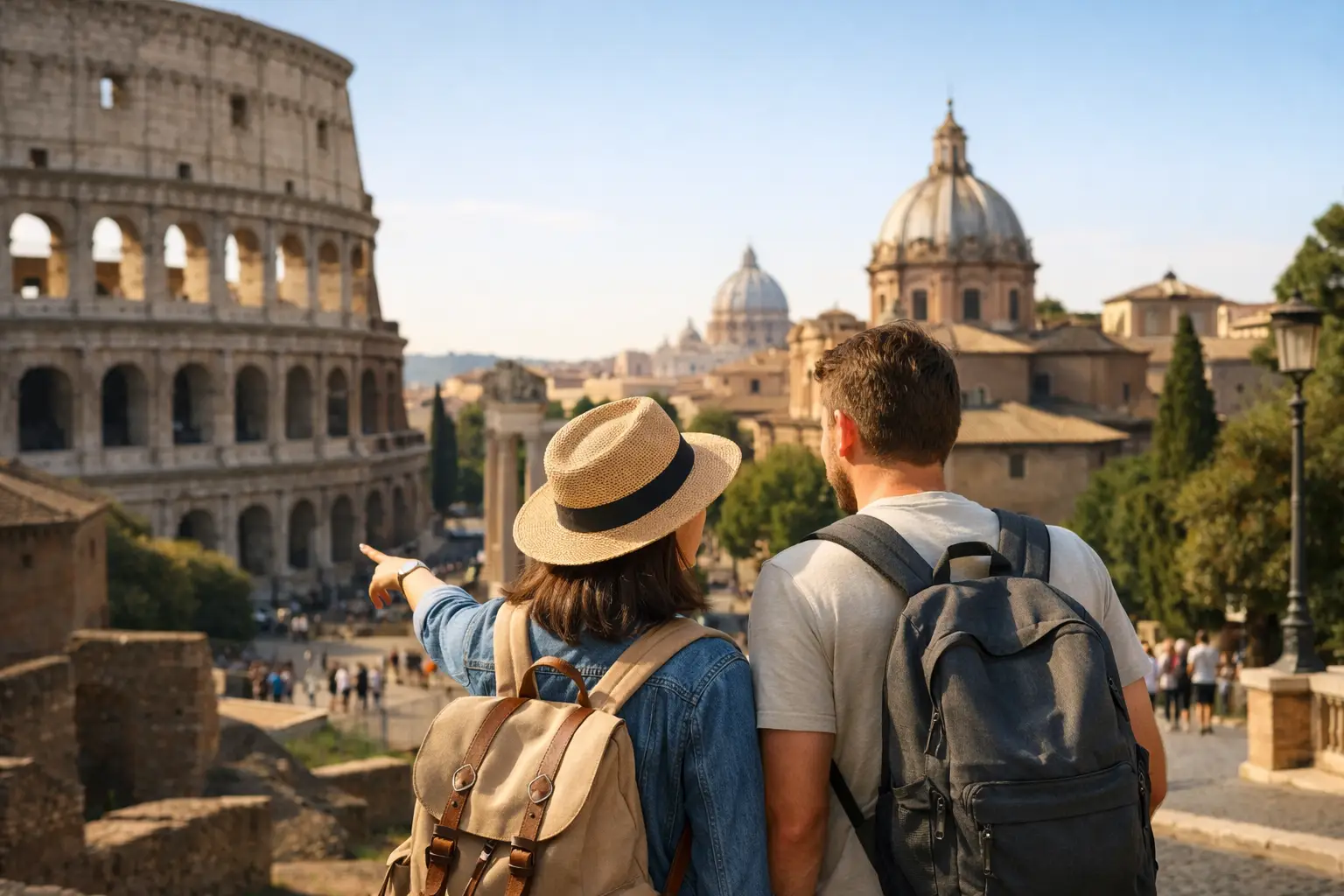
By 9 a.m., Rome is already making demands on your attention. A fountain appears at the end of one street, a church opens on another, and somewhere nearby there’s a perfect espresso calling your name. That’s exactly why a Rome City Walking Tour works so well – this is a city best understood on foot, one piazza, ruin, and side street at a time.
The trick is choosing the kind of walking tour that matches your trip, not someone else’s schedule. Some travelers want a fast introduction to the big landmarks. Others want to stop for photos, linger in churches, or sit in the shade with gelato before moving on. In Rome, that difference matters. A good day can feel effortless. A badly planned one can turn into a long march over cobblestones in the heat.
Why a Rome City Walking Tour makes sense
Rome does not reveal itself from a bus window. Its best moments happen at street level: stepping from a narrow lane into a grand square, spotting ancient stone built into a modern wall, or hearing the story behind a monument you might otherwise walk past. Distances between major sights in the historic center are manageable, but the city feels layered rather than linear. Walking helps those layers make sense.
It also gives you control. You can start early to beat the crowds at the Trevi Fountain, pause for lunch near Campo de’ Fiori, or spend extra time around the Pantheon if the atmosphere grabs you. That freedom is a real advantage in Rome, where weather, queues, and your own energy level can shift the plan quickly.
There is a trade-off, of course. Walking tours require more from you physically than riding between stops. Rome’s paving stones are uneven, summer temperatures can be punishing, and not every route is ideal for strollers or travelers with limited mobility. But for many visitors, the payoff is worth it: more context, more flexibility, and a stronger feel for the city.
What to see on a Rome City Walking Tour
If it’s your first visit, the classic route through the historic center is usually the right call. This part of Rome delivers the highest concentration of famous places within a relatively walkable area. You can move from Piazza di Spagna to the Trevi Fountain, continue toward the Pantheon, then head through Piazza Navona and on toward Campo de’ Fiori or the Jewish Ghetto.
That route works because the landmarks are varied. You get Baroque Rome, ancient Rome, everyday Roman street life, and plenty of places to stop without feeling like you’ve broken the day. It’s also one of the easiest areas for self-paced sightseeing because cafés, shaded squares, and food options are never far away.
If ancient history is your priority, you may want a route centered on the Colosseum, Roman Forum, and Capitoline Hill. This version feels more monumental and more focused. It’s ideal if you want the story of the Roman Empire to carry the day, but it can also be more demanding in terms of heat exposure and time spent in open areas.
Travelers who prefer a calmer atmosphere often enjoy crossing into Trastevere after the central highlights. The mood changes quickly there. Streets narrow, traffic softens, and the city feels more local. It’s a smart addition if you want your walk to end with dinner or a slower evening rather than another major attraction.
Guided group or self-paced tour?
This is where your travel style matters most. A traditional group tour is useful if you like structure and want a live guide to handle the storytelling in real time. It can also be a good way to meet other travelers. But group tours come with a set pace, fixed start times, and the usual realities of staying together in busy areas.
A self-guided audio tour suits Rome especially well because the city invites detours. Maybe you want to step into a church for ten minutes, browse a small shop, or sit down for coffee without worrying about losing the group. With a phone-based audio guide, you keep the route and the expert commentary while staying free to move in your pace.
That flexibility is more useful than it sounds on paper. Rome rewards curiosity, and some of your best memories may come from moments that were never on the plan. A practical audio guide helps you stay oriented without making the day feel overly managed. For independent travelers, couples, and anyone watching their budget, that can be a very comfortable middle ground between wandering blindly and paying for a private guide.
How long should your walk be?
For most visitors, two to four hours is the sweet spot. That’s long enough to cover major highlights with meaningful commentary, but short enough that your feet and attention span still cooperate. If you try to cram all of central Rome into one continuous walk, the city can start to feel like a checklist.
A half-day format usually works best. Start in the morning, when streets are cooler and photos are easier. Then leave the afternoon open for a museum, a long lunch, or a second shorter walk in a different neighborhood. Rome is one of those cities where a split-day approach often feels better than one marathon session.
If you only have a few hours in the city, focus tightly. It is better to do the historic center well than to rush from the Vatican to the Colosseum and remember mostly traffic and fatigue. If you have several days, give each area its own space.
Practical tips that make the day easier
Footwear matters more in Rome than many travelers expect. Stylish shoes can look great in photos, but old stone streets are not forgiving. Wear something broken in, stable, and comfortable enough for long stretches.
Timing matters too. In peak season, the difference between starting at 8:30 a.m. and 11 a.m. is huge. Early starts mean softer light, lighter crowds, and a much better chance of enjoying famous spots before they get packed. In summer, this is less a nice idea and more a survival tactic.
Bring water, but don’t overpack. One of the pleasures of a city walk is moving lightly. Rome has plenty of places to stop, and carrying too much quickly becomes annoying. A phone charger or power bank is worth the bag space, especially if you’re using maps, photos, and audio throughout the day.
It also helps to accept that not every stop deserves equal time. Some sights are best admired for ten minutes; others pull you in for half an hour. Leave room for that uneven rhythm. A rigid schedule can make Rome feel smaller than it is.
When self-guided works best
A self-guided format is especially helpful if your itinerary is already full. Maybe you have museum tickets later, maybe you’re traveling with kids, or maybe you simply don’t want your whole day anchored to a meeting point. In those cases, a phone-based tour lets you fit sightseeing around the rest of your plans rather than the other way around.
It’s also a smart choice for international travelers who want offline access and straightforward navigation. That removes one of the more common travel irritations: trying to follow a route while your data signal drops or your group moves ahead. If the guide includes GPS-based playback, the experience feels less like studying a map and more like having a personal tour in your pocket.
For travelers looking for value, this option is hard to ignore. You still get stories shaped by local expertise and historical research, but without the cost of a private guide or the compromises of a crowded bus. TouringBee is one example of this style done well, offering an easy, affordable way to walk Rome with expert narration and the freedom to pause whenever the city gives you a reason.
The best Rome walking tour is the one you can actually enjoy
There’s no prize for covering the most ground. The best Rome City Walking Tour is the one that leaves you curious rather than exhausted. For some people, that means ticking off the major landmarks before lunch. For others, it means hearing the story behind a square, taking a side street just because it looks promising, and letting the day unfold a little.
Rome has enough grandeur without you forcing the pace. Walk it in a way that gives you room to notice things – the fountains, the worn stone, the sudden silence inside a church, the busy life of a piazza at noon. If your tour helps you move with ease and understand what you’re seeing, you’re doing it right.