
No products in the cart.
6 Best Museum Audio Guide Apps for Visitors
Find the best museum audio guide apps for offline listening, expert stories, and flexible visits so you can explore galleries at your own pace easily.
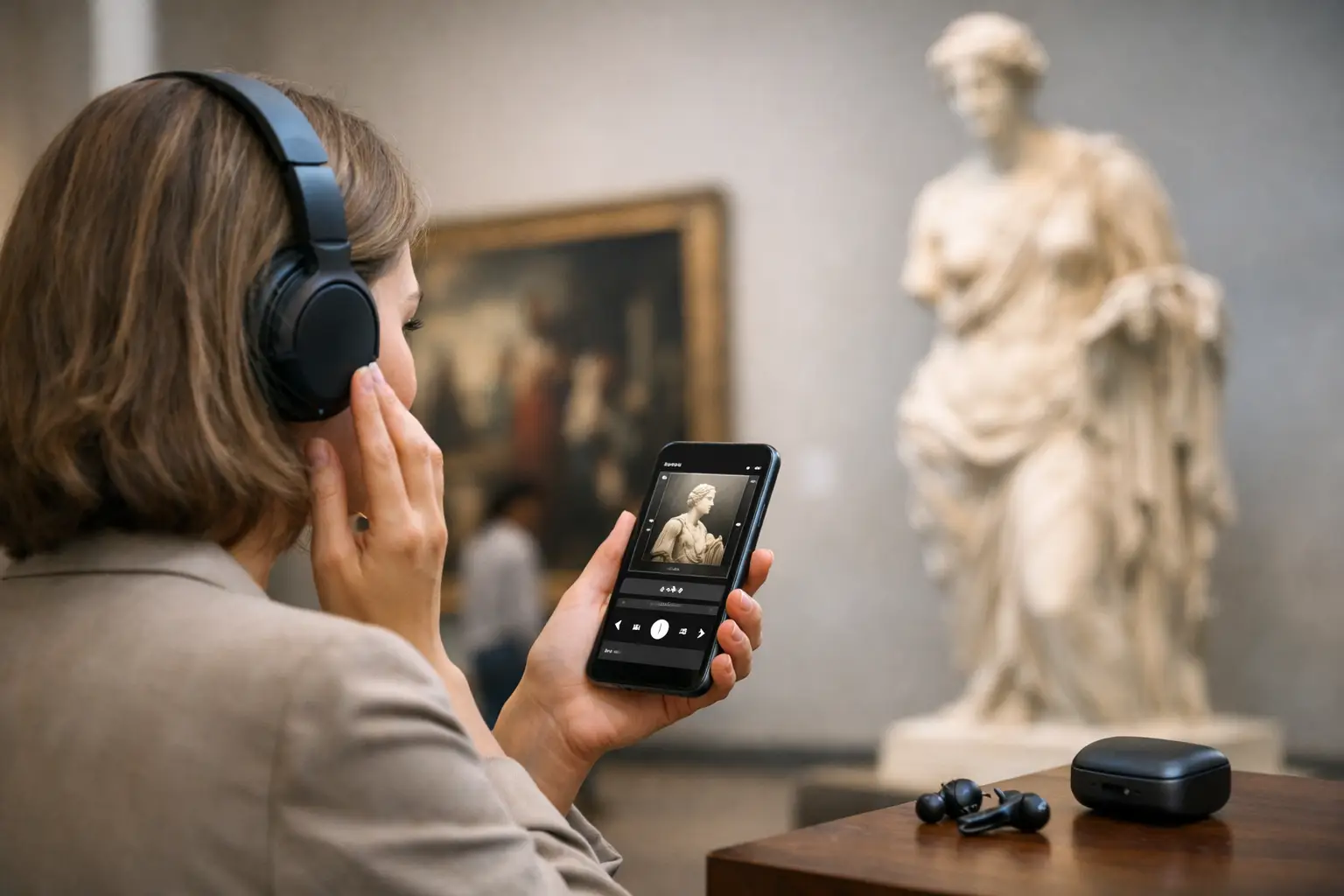
A museum can look deceptively simple from the entrance: buy a ticket, walk in, see the famous pieces. Then you face 200 galleries, a map that feels too small, and labels that answer only half your questions. The best museum audio guide apps turn that uncertainty into a personal tour, giving you the stories behind the objects without making you follow a group or keep pace with anyone else.
For independent travelers, the right app is less about having the longest catalog and more about having the right experience for the day. You may need an official guide for one major collection, a free option for a quick visit, or an offline tour that still works after your travel data runs out. Here are six worthwhile choices and the situations where each one makes sense.
What the Best Museum Audio Guide Apps Do Well
A good museum app should help you look up from your screen, not keep you glued to it. The strongest guides use short, well-paced tracks that explain why an object matters, point out details you might miss, and let you skip anything that does not interest you. They also make practical matters easy: downloading content before arrival, finding the next stop, and pausing whenever you want to sit down or spend longer with a favorite painting.
Offline access is especially valuable for international visitors. Wi-Fi can be weak inside historic buildings, and using roaming data just to load audio is an unnecessary expense. Multilingual content also matters more than many travelers expect. Listening in your most comfortable language frees up attention for the art, history, and atmosphere around you.
One trade-off is worth remembering: a broad app with thousands of tours may not have the depth of a guide made by the museum itself. On the other hand, an official app may cover only one institution and may not work well as a companion for the rest of your day. Choose based on your itinerary, not just download numbers.
6 Best Museum Audio Guide Apps to Consider
1. Official museum apps
When a museum offers its own audio guide app, it is often the best first choice for a headline visit. The content is usually built around the collection, current exhibitions, and the exact route through the building. It may include curator commentary, artist interviews, accessible routes, family content, and practical details such as gallery closures.
Official apps are particularly useful for large institutions where the permanent collection alone could fill a full day. Check whether the audio is included with admission, requires a separate purchase, or must be downloaded before entering. Some museums still rent dedicated audio devices, which can be convenient if your phone battery is low, but a phone-based guide gives you more control over pauses and playback.
2. Smartify
Smartify is a strong choice for travelers who visit several museums and want one app that works across different collections. Its image-recognition tools can help identify artworks, while its audio and editorial content add context beyond a standard wall label. It is especially appealing if you tend to see a work you recognize but cannot remember the artist, period, or story behind it.
The experience can vary by museum and artwork. Think of Smartify as an excellent cultural companion rather than a guaranteed, start-to-finish guided route for every venue. Before your visit, look at what is available for your specific museum and save anything you want to hear later.
3. Bloomberg Connects
Bloomberg Connects offers free digital guides from a wide range of cultural organizations, including museums, galleries, gardens, and heritage sites. Its biggest advantage is access: it can be a practical way to find official-feeling interpretation without adding another paid audio rental to your trip budget.
This app works well for travelers who enjoy smaller museums and temporary exhibitions, where a dedicated standalone app may not exist. The quality of each guide depends on the participating institution, so coverage and audio depth vary. Still, it is a useful app to keep on your phone when you want a little more than labels but do not need a fully structured tour.
4. izi.TRAVEL
izi.TRAVEL has a large catalog of audio tours created by museums, tourism organizations, and independent publishers. It is useful when you are visiting a destination with several smaller attractions, especially if you want to combine a museum stop with a walk through the surrounding neighborhood.
Its wide selection is both the benefit and the caution. You may find a hidden gem that no major app covers, but narration quality, route design, and update frequency can differ from one tour to another. Read the tour description carefully, check the number of stops, and download the guide in advance. It is a good option for curious travelers who are happy to spend a minute choosing the best available tour.
5. Rick Steves Audio Europe
For Americans traveling through Europe, Rick Steves Audio Europe remains a practical free resource for selected major museums, churches, and historic sites. The style is straightforward and visitor-friendly, with a focus on helping you notice significant works without feeling like you are in a lecture.
It is best for travelers whose itinerary matches its coverage. If you are visiting one of the famous European sites included in the app, it can be a very good value. If your trip focuses on newer museums, regional collections, or destinations outside Europe, you will need another option. Download the tours before leaving your hotel so you can listen without depending on a signal.
6. TouringBee
TouringBee is a useful fit when a museum is part of a bigger sightseeing day rather than the whole plan. Its self-guided audio tours combine professionally narrated stories with route guidance and offline maps, so you can move from landmarks and historic streets to a museum visit without losing the thread of the city’s story.
This approach suits couples, solo travelers, and anyone who prefers to set their own schedule. Start in the morning, pause for a museum ticket or lunch, take a detour, then continue when you are ready. It is not a replacement for a museum’s deepest collection-specific guide, but it can make the wider destination feel more connected and easier to explore.
How to Pick the Right App Before You Go
Do not wait until you are standing under the museum’s grand staircase with 12 percent battery. A few minutes of preparation can make the visit much more relaxed. First, decide whether you want a full guided route or just background for selected highlights. A two-hour audio tour is great for a first visit to a major museum, while a highlights guide is better when you have only 45 minutes before dinner.
Then check four practical details:
- Whether the guide covers the exact museum and exhibition you plan to see
- Whether audio, maps, and images work offline after download
- Which languages are available and whether transcripts are included
- How much phone battery and headphone use the visit will require
Bring wired earbuds or fully charged wireless headphones, plus a compact battery pack if you plan to use your phone for photos, tickets, and navigation. Keep one ear free when a museum is busy or when staff announcements may be made. And do not feel obligated to complete every stop. The point of an audio guide is to make the museum more meaningful at your own pace, not to turn art into another checklist.
A great guide gives you a reason to stop in front of one unexpected object for five extra minutes. Download your audio before you arrive, choose a few must-see stops, and leave enough room in the day for that kind of surprise.